Kazakhstan is set to raise weekly flights to China by a fifth, a move that should make it easier for businesses, tourists and cargo to move between two of Central Asia’s most important economies.
Kazakhstan raises weekly flights to China to 180
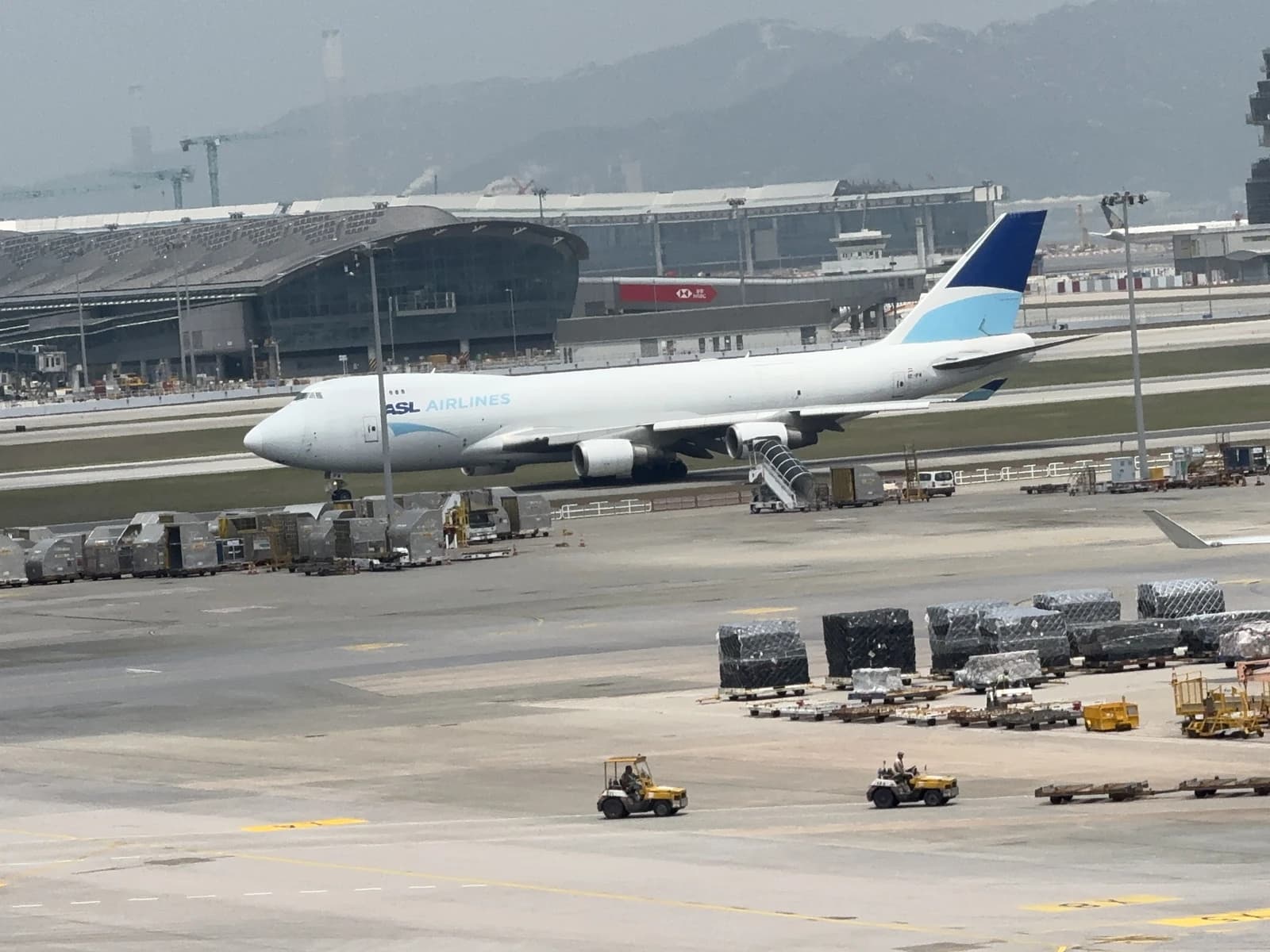
The agreement, reached after talks between aviation authorities in Tashkent, will lift scheduled services from 150 to 180 a week and add Chengdu and Kashgar to the route map. For investors, the significance goes beyond aviation capacity: more air links usually mean lower friction for trade, better access for Chinese tourists and stronger support for cross-border services, logistics and business travel.
Sentiment Indicators
The expansion fits a broader pattern of China steadily widening its aviation footprint across neighboring markets even as its domestic carriers face margin pressure from weak demand and high fuel costs. International routes can be more strategically valuable than they look on paper because they support trade flows, tourism and corporate ties that tend to compound over time.
Kazakhstan, meanwhile, is positioning itself as a more connected transit and commerce hub in Eurasia. More frequency on China routes should help airlines capture higher-yield traffic and make travel schedules more attractive for companies operating across the region. The addition of Chengdu and Kashgar also extends the commercial reach into western China, where overland and air links are increasingly important for regional supply chains.
For long-term investors, the bigger takeaway is that transport connectivity remains a quiet but powerful driver of economic integration. When governments add routes rather than just talk about cooperation, it can feed through to airports, travel, logistics and trade over years, not weeks. The move is worth watching as a small but meaningful step in Kazakhstan-China economic deepening.
| Entity | Gains | Losses |
|---|---|---|
| Kazakhstan airlines | ▲More traffic and route revenue | ▼Higher operating pressure |
| Chinese carriers | ▲Better regional connectivity | ▼More competition for slots |
| Travelers and exporters | ▲Easier business and trade access | ▼None immediately |
| Competing regional hubs | ▲— | ▼Risk of losing transfer traffic |