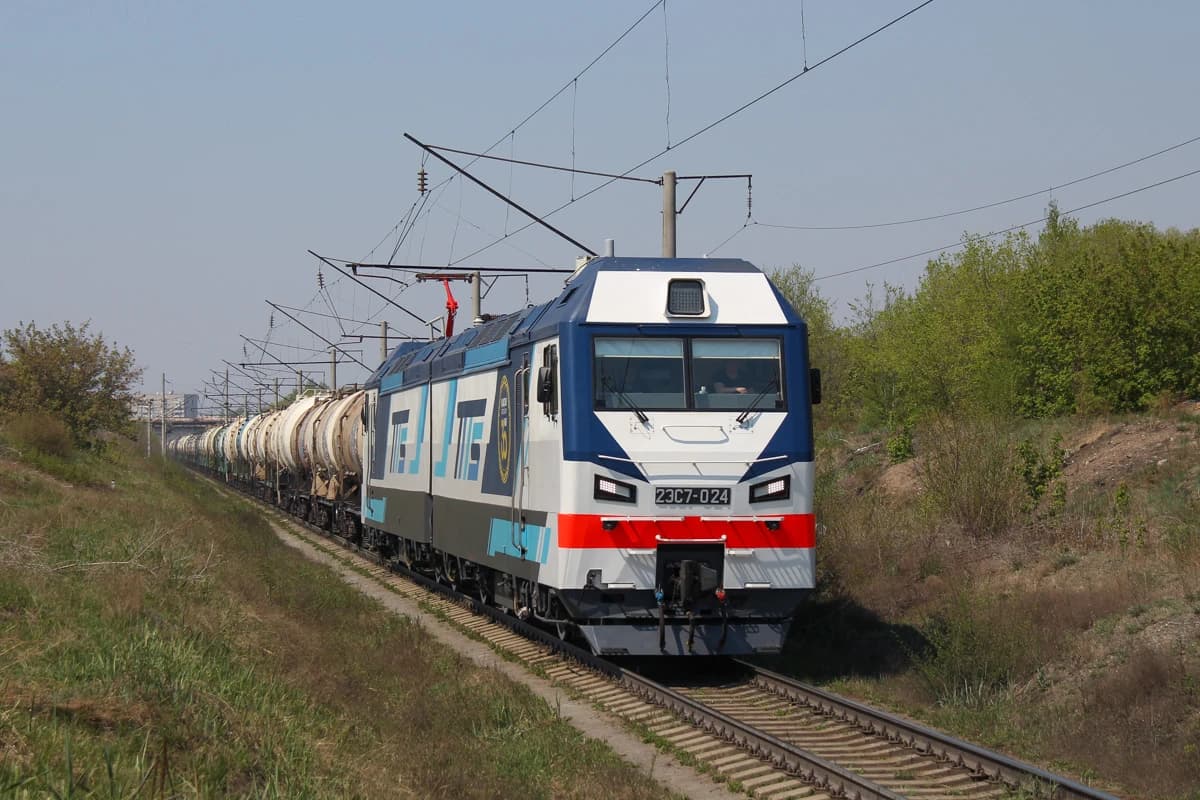
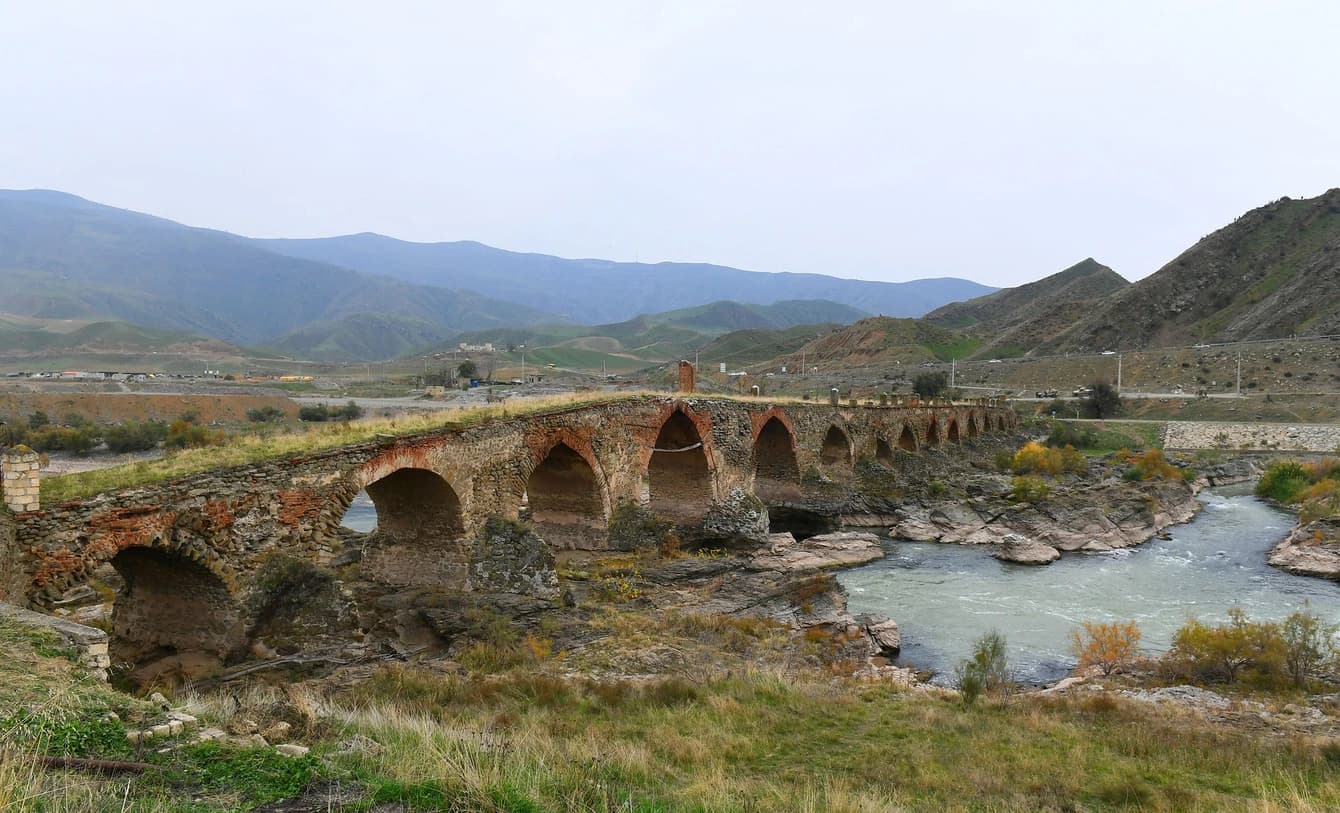
The Middle Corridor is moving beyond a regional transit route and into the European freight market, as operators from the Caspian to the Black Sea step up direct engagement with European shippers to build a steadier cargo base for east-west rail traffic.
Middle Corridor Courts European Freight Shippers
That matters because the route’s economics depend on more than infrastructure or geopolitics. For the corridor to support higher, more predictable volumes, it needs long-term demand from European manufacturers, traders and logistics groups that can commit cargo flows rather than rely on ad hoc shipments.
Emil Mammadov, an adviser to Azerbaijan Railways, said at the Black Sea-Caspian Logistics Forum in Baku that the countries along the route are now working more intensively with European partners to create a “systematic” approach to attracting cargo from west to east. He said the corridor was previously promoted mainly among its immediate participants — China, Kazakhstan, Azerbaijan, Georgia and, at best, Turkey — while Europe was largely absent from the sales pitch.
The shift reflects a maturing route. As the Middle Corridor moves from a concept into a trade lane, operators are trying to turn strategic interest into contracted freight volumes. That is especially important for Azerbaijan, Georgia and Kazakhstan, which benefit when cargo throughput rises across rail, ports and related logistics services.
For investors, the message is that the corridor’s value proposition is becoming more commercial and less purely geopolitical. A broader European customer base could support higher utilization for rail operators and port assets, while improving the case for additional investment in terminals, rolling stock and cross-border links. It also increases the competitive pressure on alternative routes and logistics chains seeking to capture Asia-Europe trade.
Shares tied to rail and freight transport can be sensitive to any evidence that volumes are set to become more stable, even if the payoff comes gradually. In the case of Azerbaijan Railways, the focus on European engagement suggests the next catalyst will be whether the corridor can convert diplomatic outreach into signed freight commitments and measurable throughput gains.
| Entity | Gains | Losses |
|---|---|---|
| Middle Corridor operators | ▲Broader cargo base | ▼Reliance on sporadic volumes |
| European shippers | ▲More route options | ▼Less leverage from established lanes |
| Azerbaijan, Kazakhstan, Georgia | ▲Higher transit revenue | ▼Capacity pressure if flows lag |
| Competing freight corridors | ▲— | ▼Potential share loss in Asia-Europe trade |