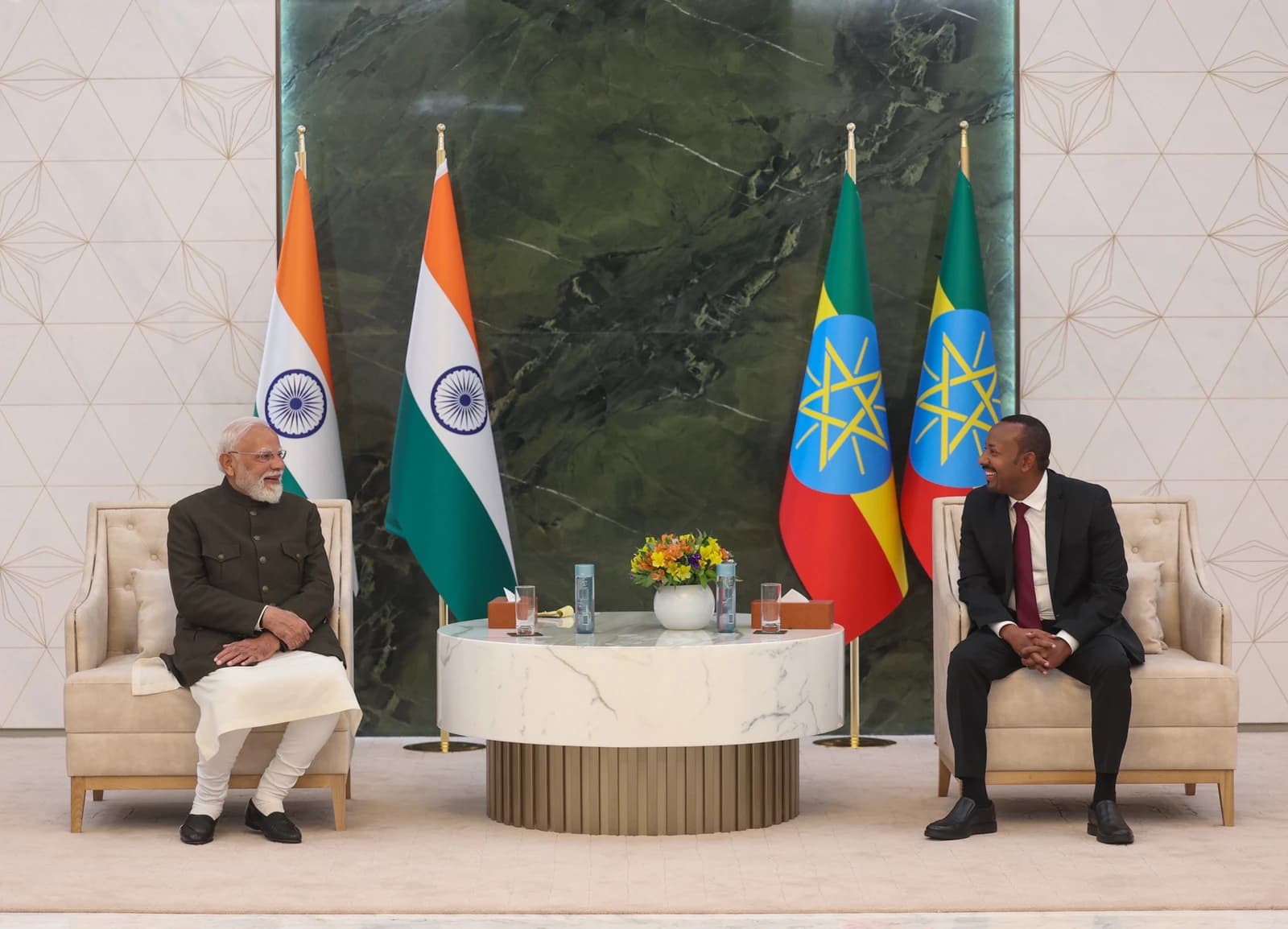
The Horn of Africa is being pushed toward a simple economic truth: the region will either integrate or keep paying the cost of fragmentation through conflict, displacement and weaker trade.
Horn of Africa integration and trade risks
That is the core message in a sweeping opinion piece that argues the Horn’s countries — including Ethiopia, Somalia, Eritrea and Djibouti, with spillover into Kenya, Sudan and South Sudan — are too economically and socially intertwined for any one state to solve its problems alone. The stakes are not just diplomatic. They are tied to food security, port access, debt burdens, infrastructure investment and the security of Red Sea and Gulf of Aden shipping lanes that matter far beyond East Africa.
The article’s economic case rests on interdependence. Landlocked Ethiopia needs reliable access to ports. Djibouti and other coastal states depend on stable hinterlands and trade corridors to sustain their own revenues. River systems such as the Nile, Jubba and Shebelle cross borders, meaning drought, water stress and environmental degradation in one country quickly become displacement and fiscal pressure in another. In that sense, climate shock is not a local problem but a regional balance-sheet shock.
That matters to investors because the Horn sits on some of the world’s most strategic logistics and security geography. Prolonged instability raises the cost of transport corridors, insurance and capital, while improving the bargaining position of external powers that seek military or commercial footholds. A fragmented Horn also tends to channel scarce public resources into security spending rather than growth, which keeps demand subdued and makes sovereign risk harder to price.
Geopolitical Risk vs EEMadalytica.com
Explore this data interactively — full history, time series and cross-market comparisons.Open AlphaPulse
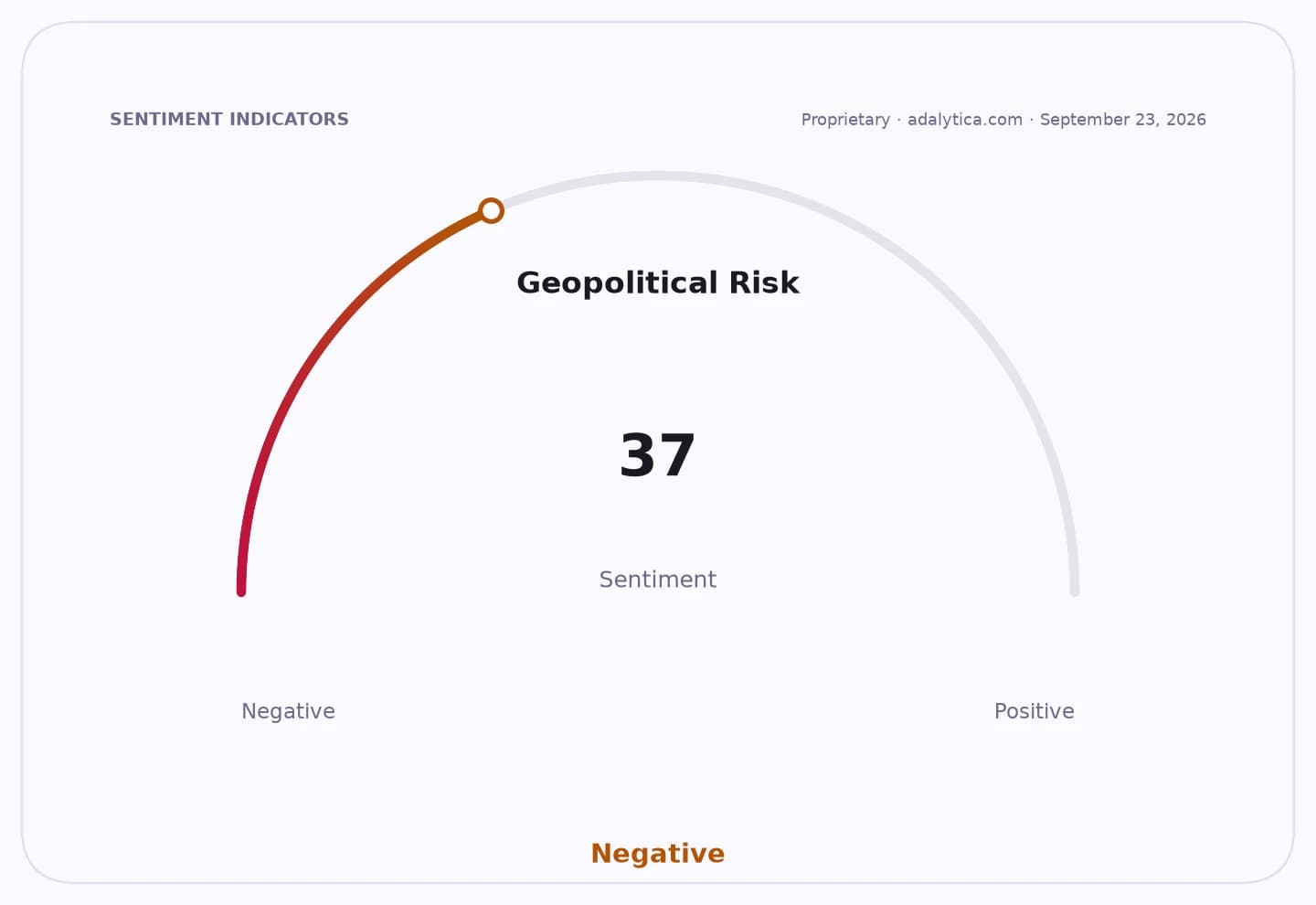
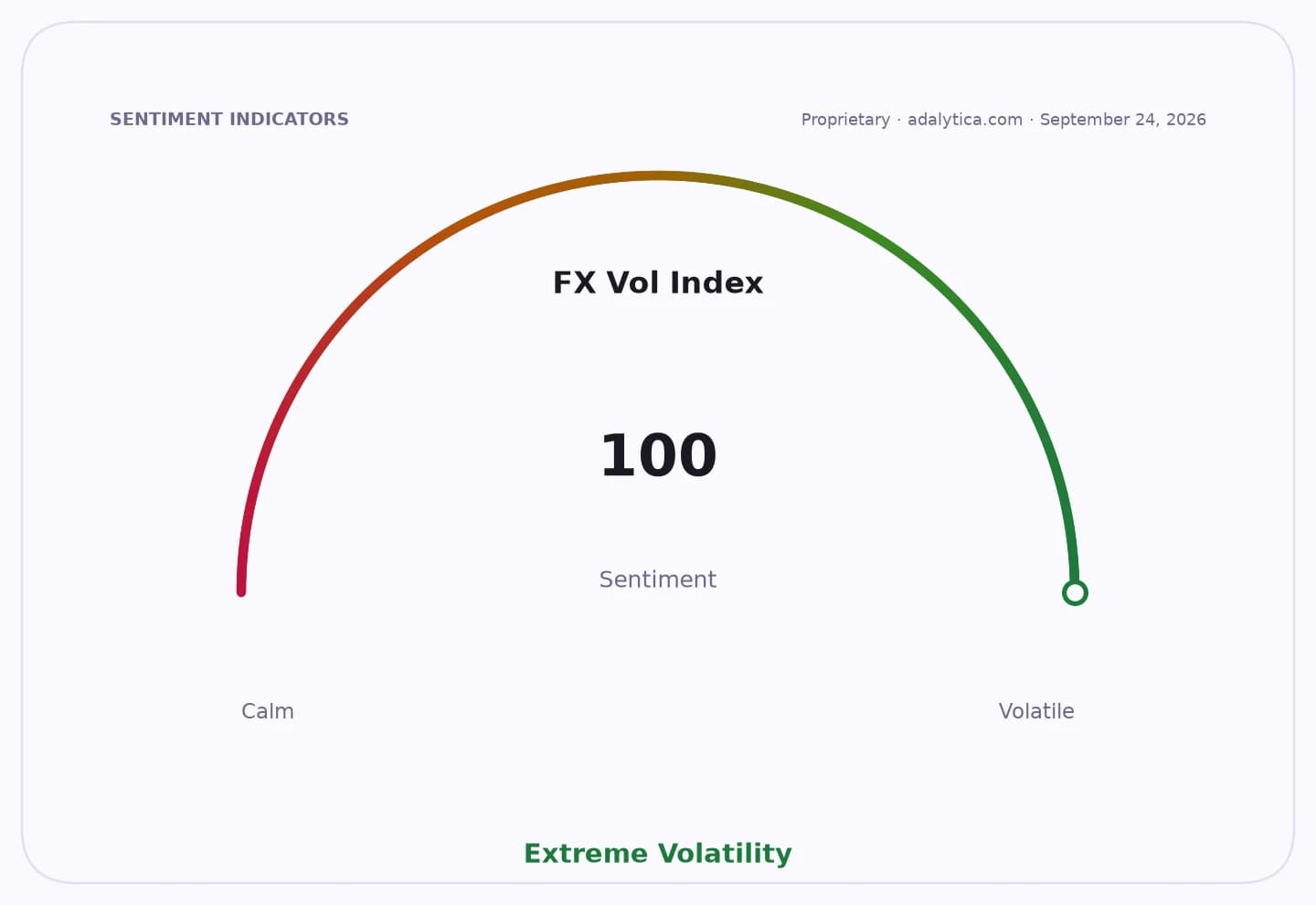
The broader market backdrop underscores how investors are already sensitive to geopolitical stress. The Adalytica Global Stability Sentiment gauge has fallen to 37, with awareness in “Fear,” after a 63-point drop over 30 days, while FX volatility signals are at “Extreme Greed.” The U.S. dollar trade signal is also at “Extreme Greed,” reflecting a flight-to-safety impulse that typically tightens financial conditions for emerging markets. In that environment, any region exposed to conflict, food insecurity and external military competition is likely to face higher funding costs and more cautious capital flows.
For the Horn, the bull case is that shared infrastructure, open trade and coordinated security could turn geography into an asset rather than a fault line. The bear case is that zero-sum politics keeps the region trapped in a cycle of displacement, border tension and proxy competition, leaving even productive assets underdeveloped.
For investors, the implication is not to treat the Horn as a collection of separate country risks. The region trades as a system. Port access, river basins, corridor politics and border security are linked, and so are the consequences for sovereign risk, aid dependence and regional trade. The next test will be whether governments choose practical cooperation on transport, water and security, or whether external actors continue to exploit division.
| Entity | Gains | Losses |
|---|---|---|
| Regional integration | ▲Trade, stability, investment | ▼Zero-sum politics |
| Ethiopia and other landlocked states | ▲Port access, lower logistics costs | ▼Corridor blockages |
| Djibouti and coastal states | ▲Transit revenue, hinterland growth | ▼Regional instability |
| Foreign powers and arms suppliers | ▲Strategic leverage | ▼Predictable regional order |