Ethiopia is moving to tighten control over its porous borders as officials warn that weak governance, armed infiltration and illicit trade are turning frontier areas into economic leakages and security flashpoints.
Ethiopia border control strategy targets trade routes

The most important development is not the study itself but the fact that Addis Ababa has now folded its findings into a federal border-governance strategy, signaling a shift from ad hoc enforcement toward a more coordinated state response across some of the Horn of Africa’s most contested and commercially important corridors.
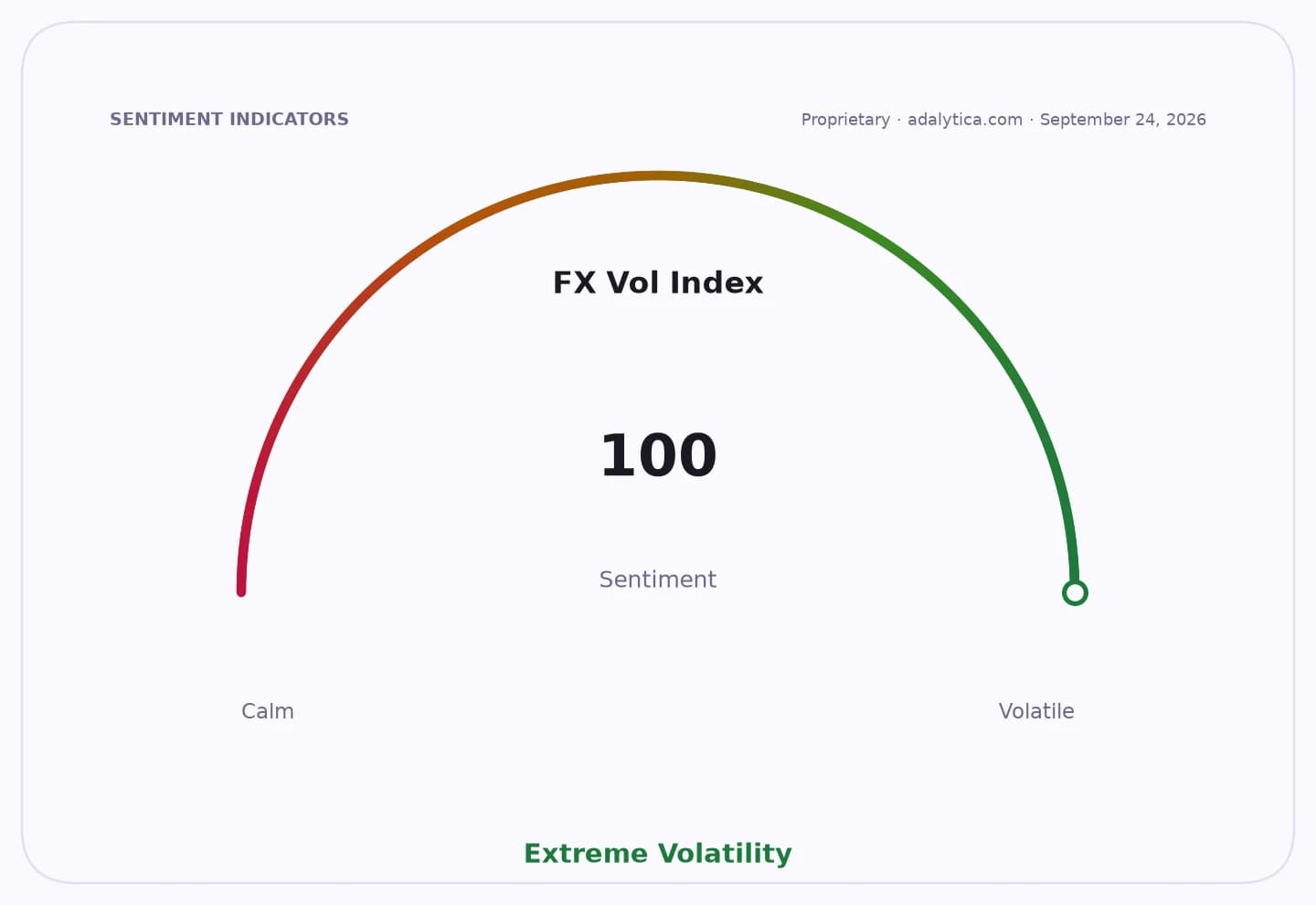
Sentiment IndicatorsⓘProprietary · adalytica.com · September 17, 2026
This is a snapshot — live sentiment, awareness and momentum for 130+ markets update continuously in the dashboard.Open AlphaPulse

That matters economically because Ethiopia’s borders are not only security lines; they are also trade arteries linking the country to Djibouti, Somalia, Kenya, Sudan and South Sudan. Where formal crossings are weak and informal routes dominate, the state loses customs revenue, legitimate commerce is distorted, and border communities remain trapped in low-productivity contraband economies. The report’s warning that contraband is a primary income source along the Somalia frontier, and that border closures and insecurity have paralysed trade with Sudan, underscores how governance failures translate directly into lost growth, weaker tax collection and higher local instability.
For investors, the implication is that improved border management could support trade efficiency over time, especially on critical logistics routes tied to imports, exports and transit freight. Ethiopia relies heavily on Djibouti for external access, while southern and western frontier instability can disrupt movement of goods, labor and humanitarian flows. Better surveillance, one-stop border posts and interagency coordination would likely benefit formal trade and logistics operators, customs-linked activity and regional infrastructure investment. The near-term read is more cautious: tighter enforcement may also raise compliance costs for smugglers and informal traders, and security spending will compete with other budget priorities.

The roadmap also reflects a wider regional reality. The Horn’s borders have become more volatile as conflicts in Sudan and South Sudan, tensions with Eritrea and cross-border militancy in Somalia spill into frontier zones. In the west, the closure of several Sudan crossings has already disrupted kinship networks and commerce; in the south, unmonitored routes and low infrastructure leave border towns vulnerable to arms trafficking, human smuggling and resource conflict. Ethiopia’s challenge is to convert those “governance vacuums” into controlled, development-oriented borderlands without choking the legal commerce that sustains them.
The policy push is likely to draw support from development partners such as Germany, GIZ and the African Union Border Programme, but its success will depend on whether the government can fund communications equipment, mobility assets, customs capacity and local institutions. The main risk is that security-first measures alone could harden borders without solving the economic roots of smuggling and migration. The market-relevant question now is whether Ethiopia can make its frontiers more like bridges than barriers without losing control of the security risks that made reform unavoidable.
| Entity | Gains | Losses |
|---|---|---|
| Ethiopian state | ▲stronger border control | ▼higher enforcement costs |
| Formal traders/logistics firms | ▲smoother legal routes | ▼less room for informal arbitrage |
| Smugglers/traffickers | ▲tighter scrutiny | ▼reduced illicit flows |
| Border communities | ▲better services and security | ▼contraband incomes |