Russia's United Russia Wins Duma Majority
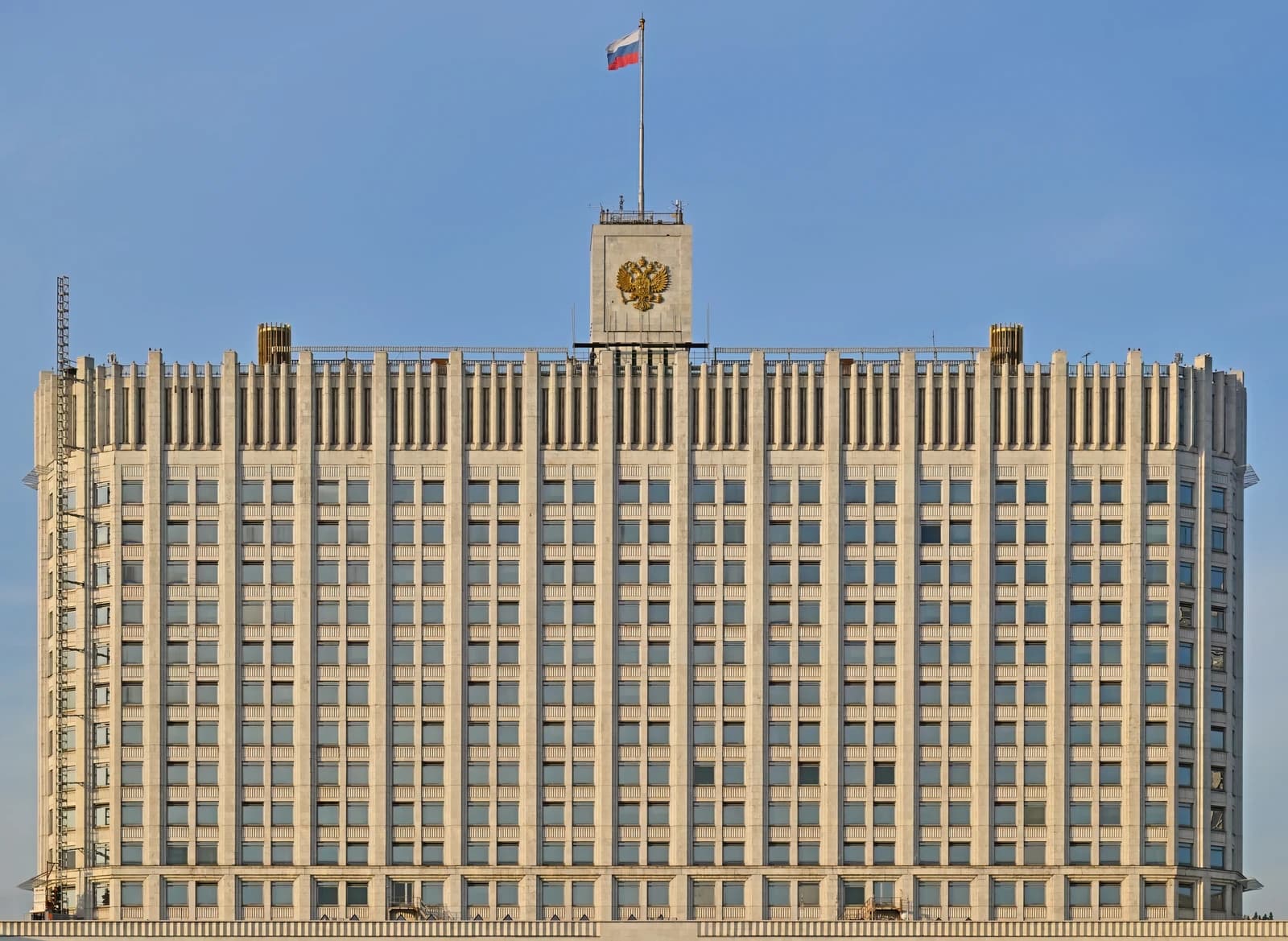
Vladimir Putin’s United Russia party has won a decisive parliamentary victory in Russia, cementing the Kremlin’s grip on the State Duma after an election shaped by the war in Ukraine, drone attacks and cyber disruption.
Preliminary results put United Russia at more than 57% of the vote, far ahead of the field and enough to leave it close to a qualified majority in parliament, according to the data and reports from the election. That gives Putin’s party the legislative leverage to move quickly on policy, defend wartime measures and keep dissenting voices sidelined.
The result matters economically because it reduces the chance of any meaningful policy break in Moscow at a time when Russia is already under Western sanctions, facing repeated strikes on energy infrastructure and dealing with disruptions to fuel supplies and internet service in some regions. A firmer parliamentary hold also makes it easier for the Kremlin to sustain war spending, manage labor and industrial policy, and keep pressure on domestic institutions as the conflict drags on.
For investors, the vote points to continuity rather than reform. That usually means more of the same mix of sanctions risk, geopolitical friction and state-directed economic management that has kept Russian assets, the ruble and energy markets highly sensitive to the war. It also suggests little prospect of a political opening that might ease pressure on Russian exporters or improve the outlook for cross-border capital flows.
The election was held over three days and included voting in occupied Ukrainian territories, underscoring how closely the domestic political process is now tied to the war effort. Only parties that support Putin and the conflict in varying degrees were allowed to compete, while the openly anti-war Yabloko party was excluded.
The campaign itself was overshadowed by the battlefield. Russian authorities said Ukraine launched a major drone attack involving more than 1,000 drones, hitting a refinery and residential areas, while Moscow said air defenses intercepted more than 1,600 drones, including 450 aimed at the capital. Election officials also reported more than 1,000 waves of cyberattacks against electronic voting systems and telecommunications infrastructure.
Moscow’s response suggests the security environment is likely to remain volatile. The defense ministry said it would intensify strikes on military targets in Kyiv, keeping energy infrastructure, transport and cyber resilience at the center of the economic fallout. For markets, that means oil, gas and regional risk premiums are likely to stay headline-driven, even if the vote itself delivers no immediate policy surprise.
| Entity | Gains | Losses |
|---|---|---|
| United Russia / Kremlin | ▲Bigger parliamentary control | ▼Political checks and balances |
| Vladimir Putin | ▲Stronger mandate | ▼Opposition space |
| Russian state institutions | ▲Policy continuity | ▼Reform pressure |
| Ukraine / sanctions backers | ▲— | ▼Higher war persistence risk |