Combat in Ukraine continued on Saturday after Russia rejected a proposed temporary ceasefire, underscoring how little room remains for diplomacy even as Washington tries to reopen talks.
Ukraine war keeps oil, gold and defense bid
The immediate economic significance is not a shift in front lines but the extension of a war that keeps energy markets, European security spending and reconstruction risk premiums elevated. For investors, that means the conflict remains a live tail risk for oil, gas, defense and sovereign assets rather than a background geopolitical issue.
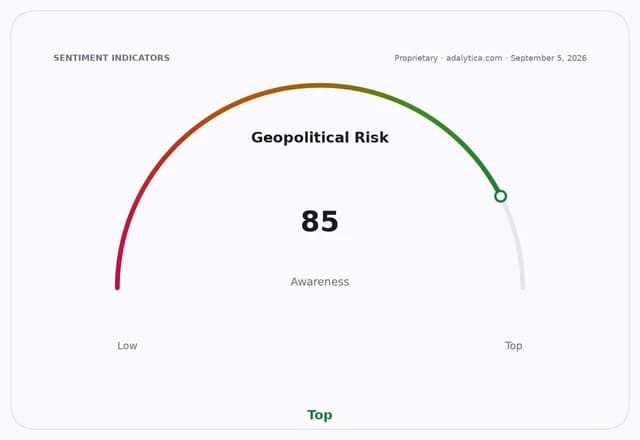
Sentiment IndicatorsⓘProprietary · adalytica.com · September 5, 2026
This is a snapshot — live sentiment, awareness and momentum for 130+ markets update continuously in the dashboard.Open AlphaPulse
Ukraine’s General Staff said a unilateral pause was impossible because it would expose military personnel, while commanders said defensive operations were continuing as planned. Russia’s defense ministry, meanwhile, confirmed it would not observe the truce and described overnight strikes on industrial sites in Dnipropetrovsk and logistics and energy infrastructure in Mykolaiv and Odesa.
The strikes were not abstract. Ukrainian authorities said a ballistic missile hit an industrial enterprise in Kamianske, killing four people and injuring five. In Mykolaiv, drone attacks hit an Epicenter shopping center, causing injuries and a large fire, while a Friday strike damaged a residential building in Boryspil near Kyiv. The message from Moscow was that the aerial campaign would continue regardless of the diplomatic choreography.
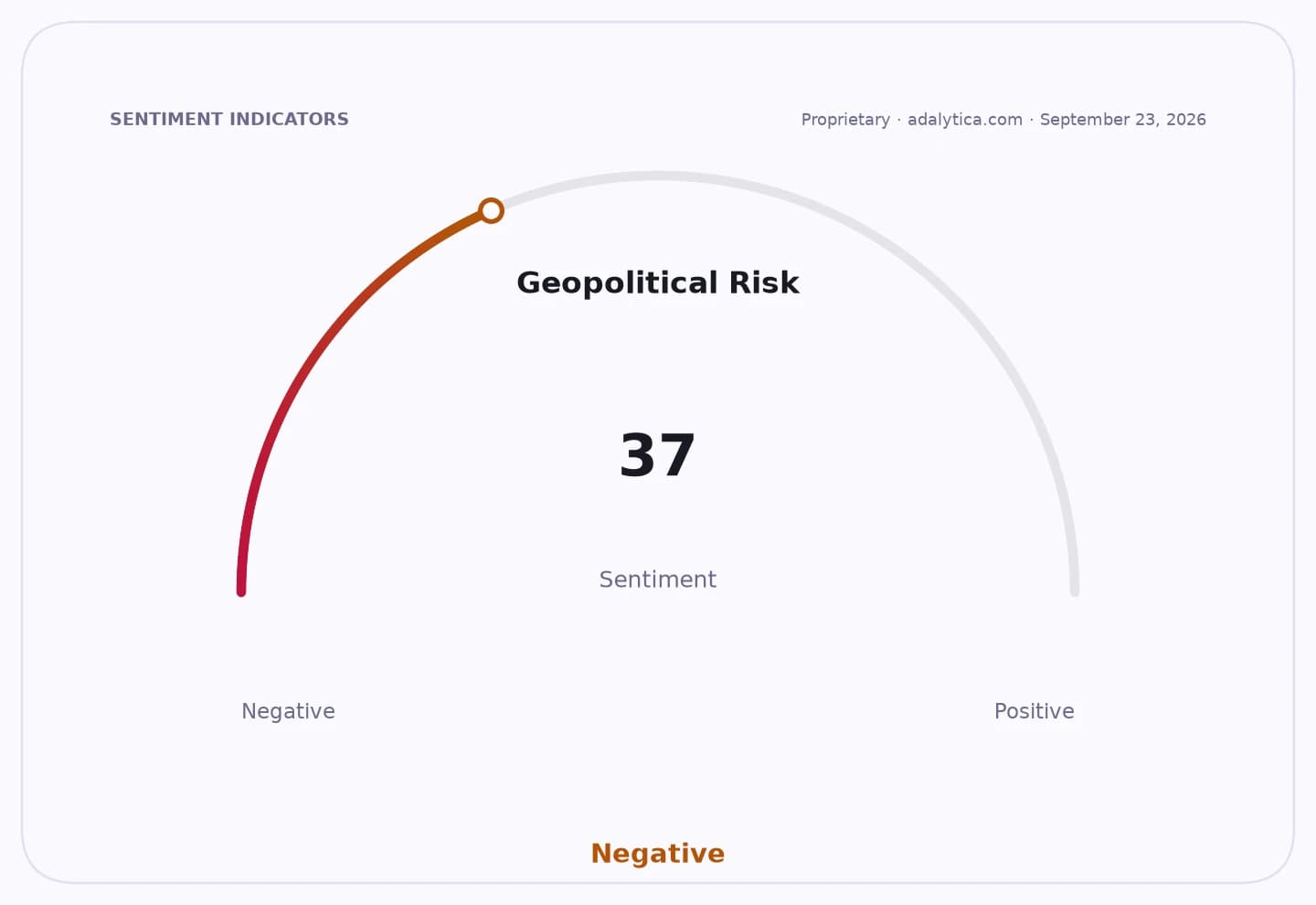
Geopolitical Risk — 30-day sentimentadalytica.com
Explore this data interactively — full history, time series and cross-market comparisons.Open AlphaPulse
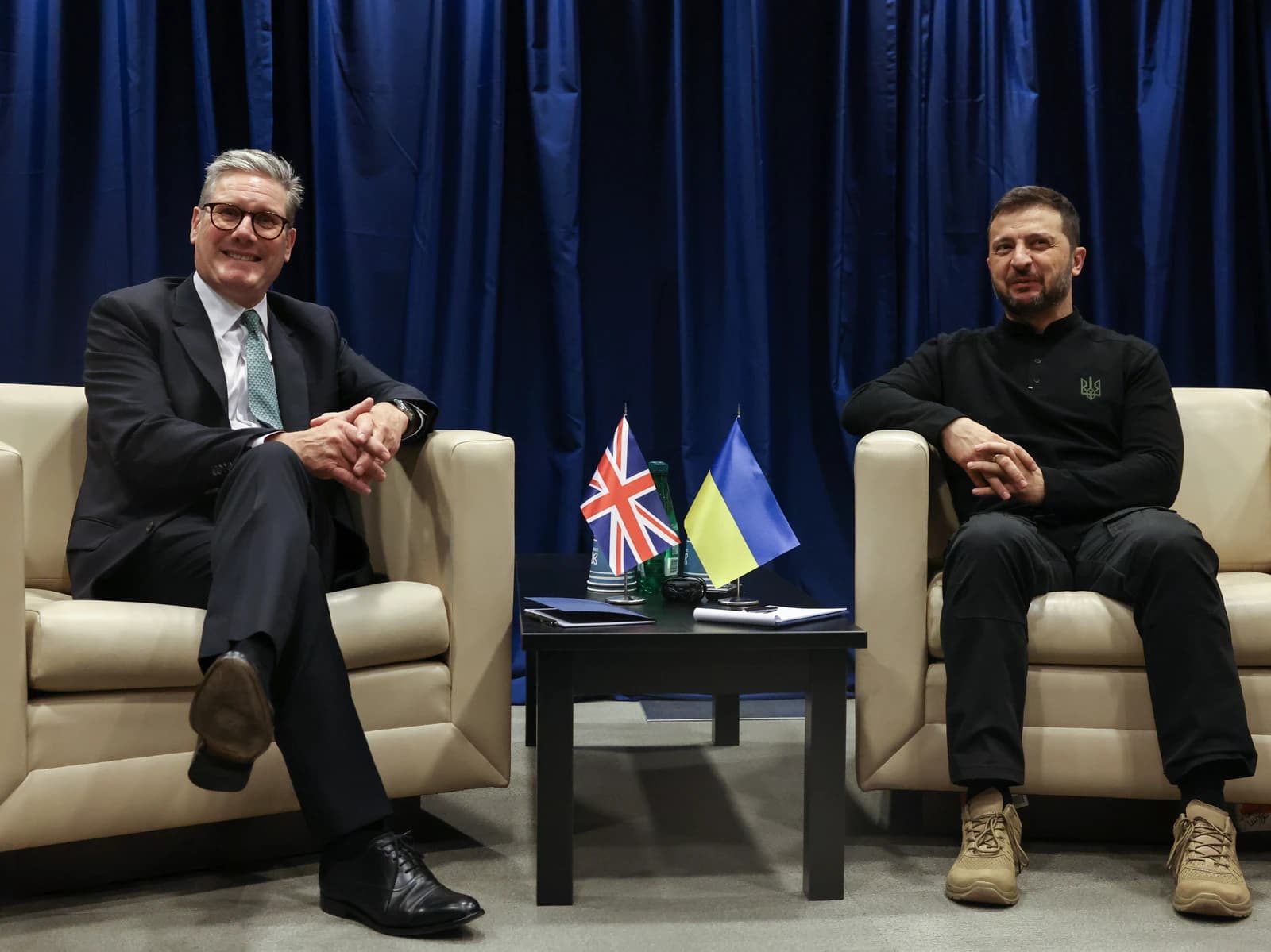
That matters because the ceasefire proposal had been timed to the planned visit of US envoys Steve Witkoff and Jared Kushner to Moscow and Kyiv. Any failure to establish even a limited pause raises doubts about the durability of the broader peace process and the odds of a near-term de-escalation in sanctions pressure, military spending or energy disruption.
For markets, the war’s persistence is more important than the day-to-day battlefield noise. Oil prices remain sensitive to any escalation in strikes on infrastructure or logistics nodes, while European governments face a continuing case for higher defense outlays. Gold, which tends to benefit from geopolitical stress, also retains a haven bid when ceasefire hopes fade.
The bull case for risk assets is that diplomatic engagement continues and a restricted pause could still emerge if outside pressure builds. The bear case is that failed ceasefire attempts become a pattern, hardening expectations that the conflict will remain unresolved and keeping volatility elevated across commodities, currencies and European defense names.
What investors will watch next is whether the US envoys can secure even a symbolic pause in attacks, and whether Russia’s refusal translates into broader pressure on Ukraine’s energy system and logistics network in the coming days.
| Entity | Gains | Losses |
|---|---|---|
| Russia | ▲military leverage | ▼ceasefire credibility |
| Ukraine | ▲diplomatic support | ▼civilian infrastructure |
| Oil and gold | ▲haven demand | ▼peace premium |
| European defense stocks | ▲spending case | ▼de-escalation hopes |