France’s inflation rate eased to 2.1% in July as falling energy prices took pressure off consumer costs, reinforcing the view that euro-area price growth is cooling enough to keep the European Central Bank from rushing back into tighter policy.
France Inflation Eases to 2.1% on Lower Energy Costs

The reading matters because energy has been one of the most volatile drivers of inflation across Europe, and a decline there can quickly filter through transport, utilities and household bills. For policymakers, it lowers the risk that a fresh energy shock reignites headline inflation just as the ECB is trying to judge how far its previous rate hikes are still working through the economy.
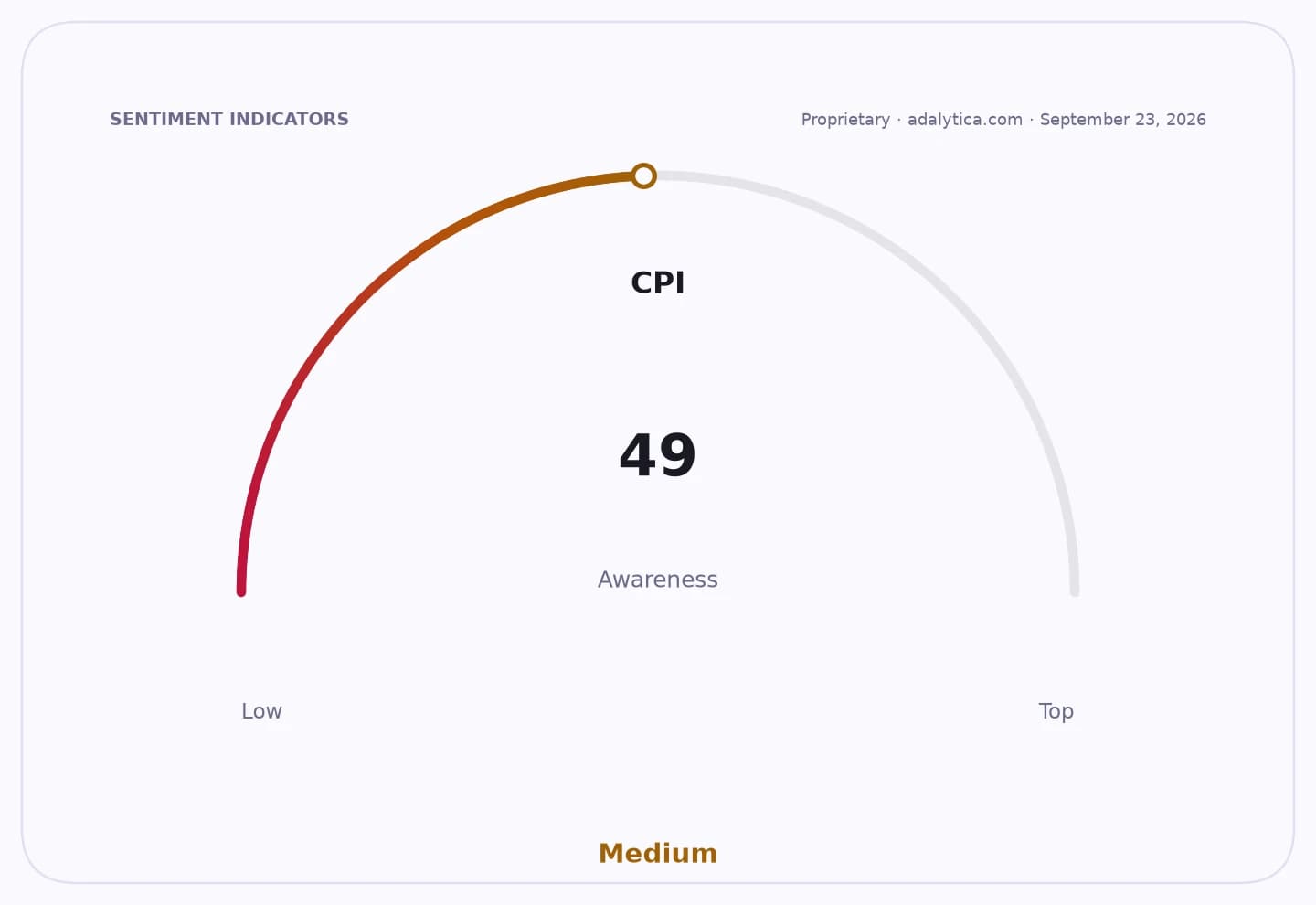
Sentiment IndicatorsⓘProprietary · adalytica.com · August 26, 2026
This is a snapshot — live sentiment, awareness and momentum for 130+ markets update continuously in the dashboard.Open AlphaPulse

For investors, softer French inflation supports the case for steady or eventually lower euro-area borrowing costs, a positive for rate-sensitive assets such as bonds, real estate and cyclical equities. It also reduces immediate pressure on French consumers, which can help domestic demand and limit the earnings drag on retailers, airlines and other fuel-intensive sectors.
The backdrop remains uneasy. Global crude prices are still high by historical standards, with U.S. oil around $81.45 a barrel and the conventional technical indicators on that contract showing it remains above its 50-day and 200-day moving averages. That leaves inflation vulnerable to any supply shock, even as recent price action suggests some easing in energy markets after a volatile summer.
Gas has also cooled from earlier spikes, and broader commodity inflation looks less acute than in the peak of the energy crisis. Still, confidence in the Federal Reserve’s 2% inflation target remains weak in market sentiment gauges, underscoring how investors continue to treat inflation as a live macro risk rather than a solved problem.
For the ECB, the French number is another sign that disinflation is advancing unevenly across the bloc. The next tests will be whether energy continues to fade into the autumn and whether that relief spreads to core prices, wages and services — the stickier measures that will decide how long borrowing costs stay restrictive.
| Entity | Gains | Losses |
|---|---|---|
| French households | ▲Lower fuel and utility costs | ▼Less urgency for wage gains |
| ECB | ▲More room to hold rates steady | ▼Fewer reasons to cut quickly |
| Bond investors | ▲Better inflation backdrop | ▼Less carry if cuts are delayed |
| Energy producers | ▲Higher price support if oil rebounds | ▼Softer demand if prices keep falling |