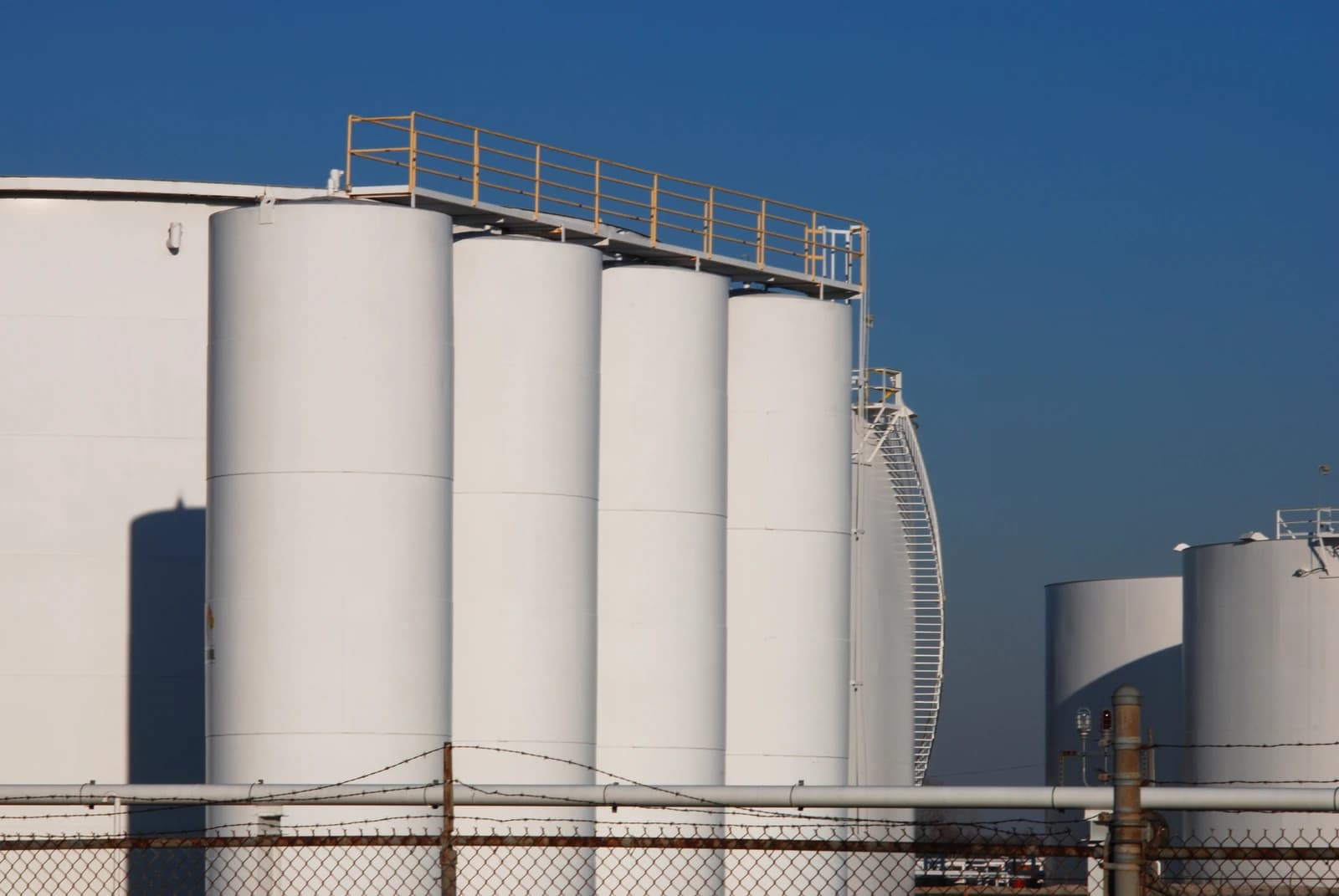
Paris stocks opened the week flat as investors looked past a brief tech-led lift and focused instead on a more damaging macro shock: rising energy costs that could push inflation above market expectations.
CAC 40 Flat as Energy Prices Rise

The CAC 40 was up 0.07% at 8,284.91 points around 10:30 a.m. in Paris, after slipping 0.09% on Friday, but the index remained under pressure from a jump in oil and gas prices tied to renewed Middle East tensions. Brent crude was trading around $97 a barrel, close to the symbolic $100 threshold, while European gas prices were described by market participants as the highest since 2023.
Sentiment IndicatorsⓘProprietary · adalytica.com · September 7, 2026
This is a snapshot — live sentiment, awareness and momentum for 130+ markets update continuously in the dashboard.Open AlphaPulse

That matters because Europe is far more exposed than the US or Asia to imported hydrocarbons. A sustained rise in energy prices feeds directly into transport, power and industrial costs, and then into broader consumer inflation. For France and the wider euro zone, that raises the risk that price pressures stay sticky just as central banks are trying to convince investors inflation is on a durable downtrend.
The move is also awkward for equities. Lower energy prices typically support European consumer spending and corporate margins; higher prices do the opposite, especially for sectors with heavy freight, utility or feedstock exposure. The latest jump is particularly sensitive because it comes after a period in which markets had started to price a slower inflation path and a more accommodative policy backdrop.
Technology shares offered only limited support. STMicroelectronics rose 2.93% and Soitec 6.04% as investors chased the global AI trade after a strong session for Asian chipmakers overnight, but that was not enough to offset the drag from energy. Europe’s smaller weighting to technology versus US benchmarks makes it harder for AI enthusiasm alone to carry the market.
The geopolitical backdrop is doing most of the damage. Fresh attacks around the Strait of Hormuz and Iran’s warning of a “more intense” response to the US have revived fears of supply disruption in a region central to global oil flows. That keeps a risk premium embedded in crude and leaves European markets vulnerable to further swings if the conflict broadens or diplomacy stalls.
For investors, the immediate question is whether the energy move becomes a one-off shock or the start of a broader inflation impulse. The bull case is that supply fears ease and crude retreats back below the recent spike, allowing European equities to refocus on earnings and rate cuts. The bear case is that gas and oil stay elevated long enough to lift inflation expectations, pressure margins and delay monetary easing.
For now, the message from the CAC 40 is that Europe’s market tone is being set less by the AI rally than by the cost of keeping the lights on.
| Entity | Gains | Losses |
|---|---|---|
| Energy producers | ▲Higher realized prices | ▼Potential demand slowdown |
| European oil importers | ▲— | ▼Higher input costs |
| CAC 40 technology names | ▲AI-driven bid | ▼Broader market drag from energy |
| Euro zone consumers and policymakers | ▲— | ▼More inflation pressure |