Europe is heading into another inflationary wave, and that matters because it changes the investment backdrop from a short, painful spike in prices to a much longer period of tighter policy, slower real income growth and more volatile markets.
ECB Inflation Outlook Raises Europe Rate Risk
European Central Bank chief economist Philip Lane said a second round of higher energy costs is now spreading beyond oil into natural gas, with knock-on pressure likely to hit food, electricity, industrial goods and eventually household budgets across the euro area. He warned that inflation may only start moving back toward the ECB’s 2% target from the middle of 2027, underscoring how sticky the shock could become.
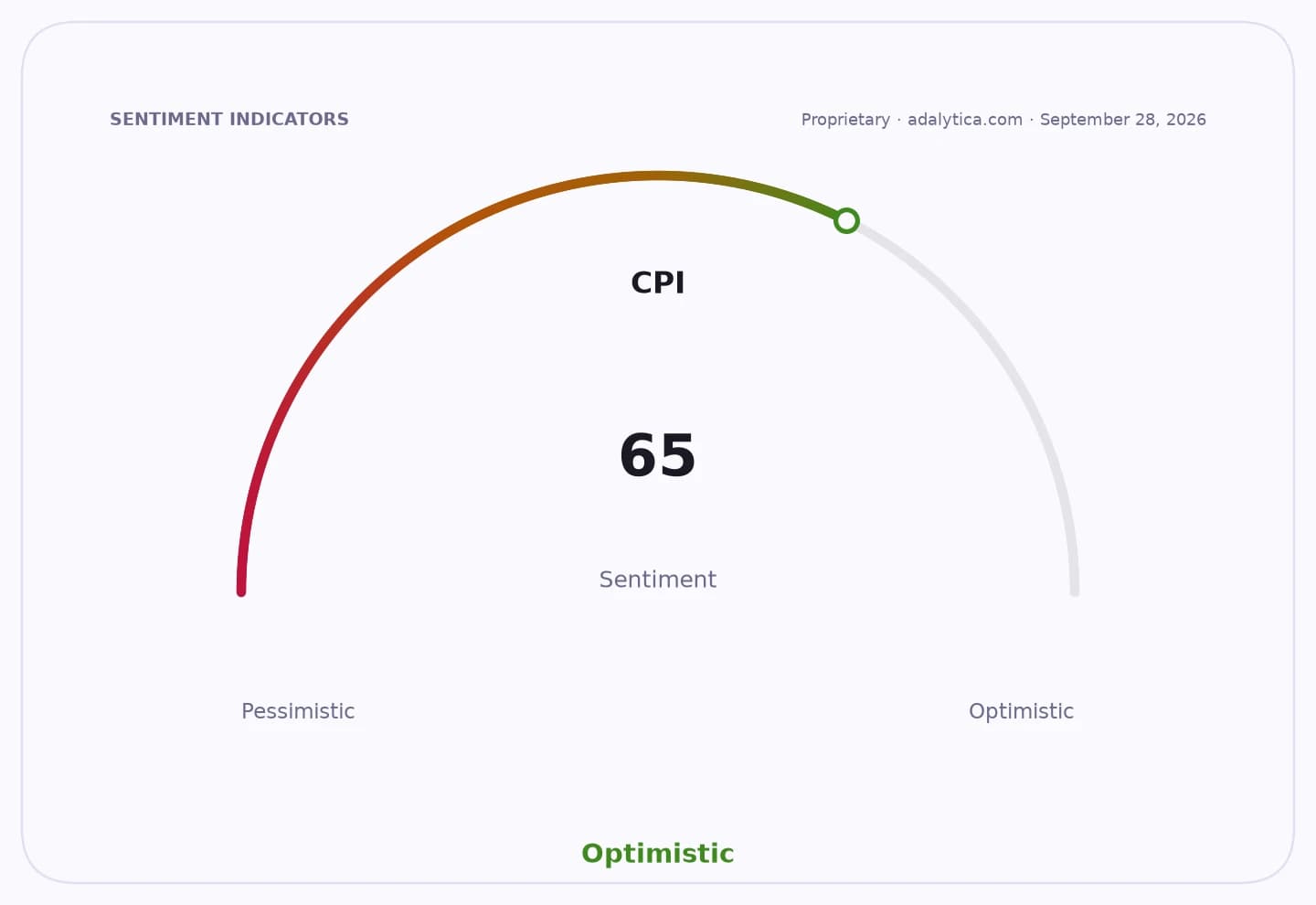
Sentiment IndicatorsⓘProprietary · adalytica.com · September 26, 2026
This is a snapshot — live sentiment, awareness and momentum for 130+ markets update continuously in the dashboard.Open AlphaPulse
That is a major shift for investors. When inflation looks temporary, central banks can usually look through it. When it starts feeding into broader prices, policy stays restrictive for longer, borrowing costs remain elevated and corporate margins face fresh pressure. The ECB expects euro-area inflation to average 3% this year and 2.5% next year, both well above target, and Lane said inflation could hit 4% in the coming months.
The policy response is already moving in that direction. The ECB delivered its second rate increase in September after energy prices surged on war-related disruption in the Middle East, and officials are preparing another 25 basis-point hike as soon as October. For bondholders, that means yields can stay higher for longer. For equity investors, it means the market has to keep paying attention to pricing power, balance sheet strength and cash generation rather than just top-line growth.
The growth outlook is being squeezed, too. Lane said a prolonged energy shock this autumn would hurt the economy, even though Europe still has some offsetting support from public spending, especially Germany’s infrastructure and defense programs and the EU’s NextGenerationEU recovery fund. In other words, fiscal stimulus can soften the blow, but it cannot fully cancel out a broad-based inflation shock.
There is one hopeful wrinkle for long-term investors: not every European business is equally exposed. Lane noted that artificial intelligence is not centered in Europe, but the region still has enough companies active in the ecosystem to benefit. That matters because in an inflationary world, the best stocks are often the ones tied to secular growth trends that can outpace rising costs over many years.
The market has already started to reflect this tougher backdrop. European equity ETFs such as VGK and IEV have been choppy, and conventional technical indicators show both funds recently trading below their 50-day moving averages with relatively weak RSI readings, a sign that investors have been reluctant to chase European stocks while inflation and rates remain unsettled. That does not make Europe uninvestable. It just means returns may depend more on selective stock picking and patience.
For investors, the key takeaway is simple: inflation in Europe is no longer just a headline risk. If Lane is right, it is a multi-year earnings, policy and valuation story. That favors companies with real pricing power, essential products, strong free cash flow and the ability to compound through cycles. It also argues for a long-term approach rather than trying to trade every ECB move. Europe may still offer opportunity, but the next phase of the market will reward resilience, not complacency.
| Entity | Gains | Losses |
|---|---|---|
| ECB hawks | ▲Tight policy support | ▼Slow disinflation |
| Borrowers | ▲None | ▼Higher financing costs |
| Pricing-power companies | ▲Margin protection | ▼Cost-sensitive rivals |
| European consumers | ▲Limited relief from wages | ▼More expensive essentials |