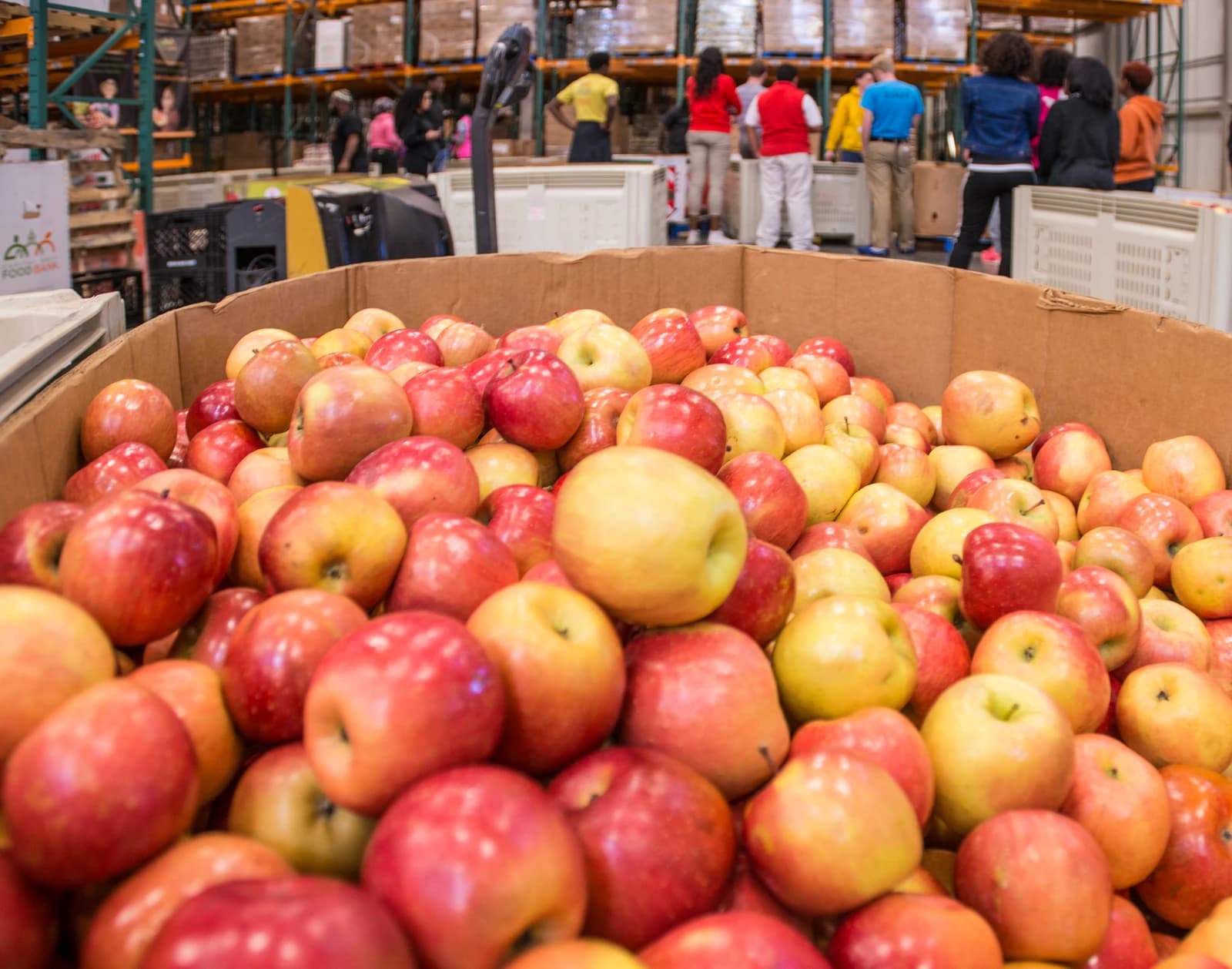
U.S. consumer prices are expected to rise again in August even as food prices have been falling, underscoring a split between cooling grocery costs and firmer inflation elsewhere that keeps pressure on the Federal Reserve.
U.S. CPI Seen Rising as Food Prices Fall
The Labor Department’s consumer price index is forecast to climb 0.35% in August after a flat July and a 0.42% decline in June, according to the data context. That would leave the annual inflation path still elevated, with the CPI index projected at 333.9723 for the month, while producer prices are seen rebounding 2.01% to 289.769 after back-to-back declines.
Sentiment IndicatorsⓘProprietary · adalytica.com · September 7, 2026
This is a snapshot — live sentiment, awareness and momentum for 130+ markets update continuously in the dashboard.Open AlphaPulse
The setup matters because it suggests the inflation pulse is no longer being driven by the grocery aisle. The Adalytica Food and Grocery Spending sentiment gauge is in “Fear” at 22, with “Extreme Fear” awareness of 4, even as the broader Consumer Spending sentiment sits at 78, or “Greed.” That divergence points to a consumer environment where households are still spending, but are increasingly sensitive to food costs and other essentials.
For markets, the risk is that a softer food basket is not enough to offset renewed price strength in other parts of the economy. Investors will be watching whether the hotter producer price forecast feeds through into consumer prices over coming months, which could complicate the Fed’s path on rate cuts and keep Treasury yields and rate-sensitive equities volatile.
The broader backdrop is one of persistent cost pressure in global food markets. The Food and Agriculture Organization has said global food prices have climbed to their highest since 2022, driven by supply disruptions, geopolitical conflict and climate-related shocks, limiting the benefit of lower energy prices for producers and consumers alike.
That means the key question for investors is not whether food is cheaper in isolation, but whether the rest of the inflation basket keeps reaccelerating enough to keep policy restrictive. The next CPI print will be the immediate test of whether falling food prices are finally feeding into household inflation, or whether broader price pressures remain the dominant story.
| Entity | Gains | Losses |
|---|---|---|
| Consumers | ▲Cheaper food bills | ▼Sticky costs elsewhere |
| Fed | ▲More room if food disinflates | ▼Less room if CPI re-accelerates |
| Treasurys | ▲Benefit if inflation cools | ▼Sell off if PPI passes through |
| Grocers/food producers | ▲Demand support from staples | ▼Margin pressure if input costs stay high |