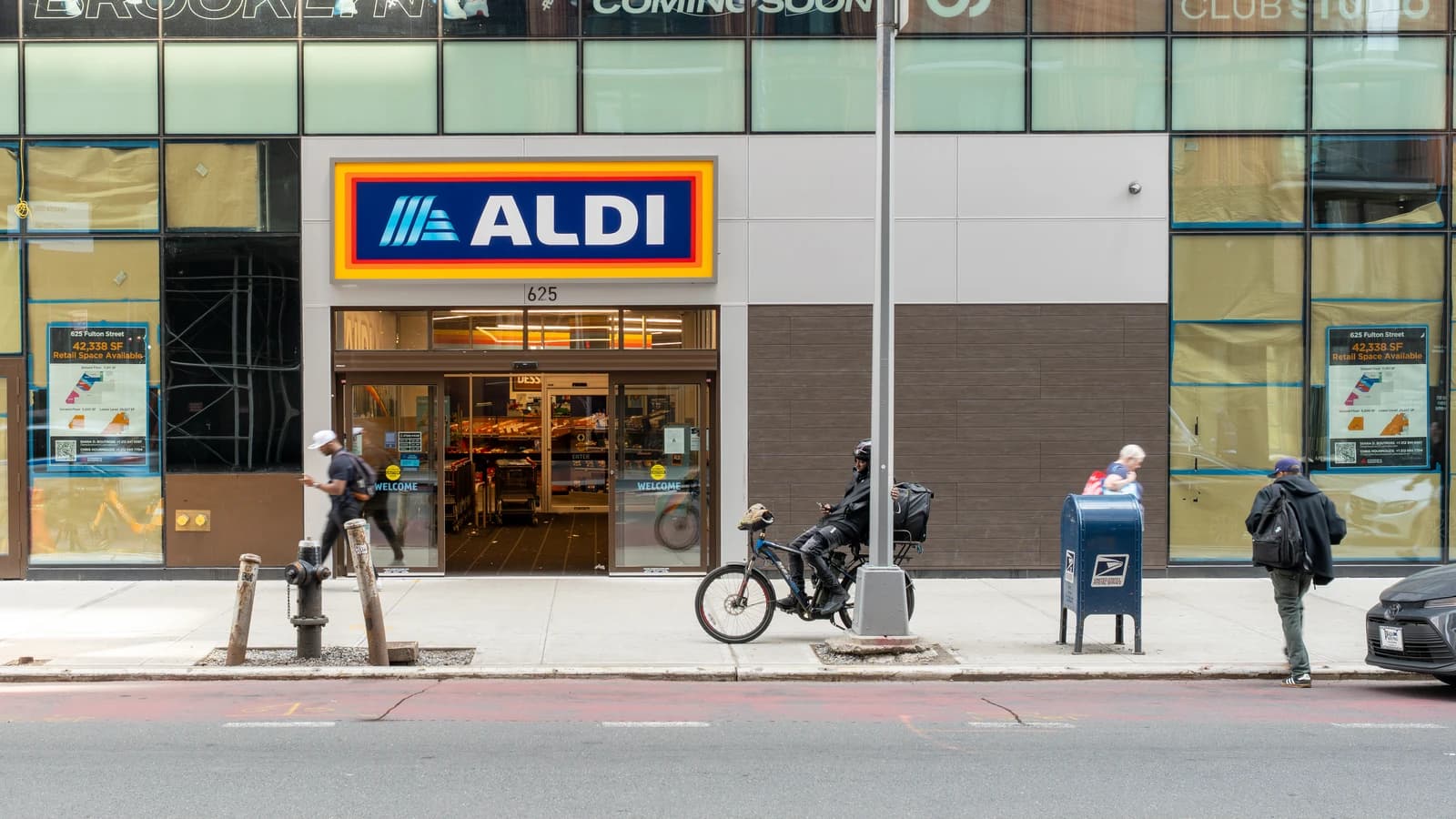
Aldi is undercutting Costco by as much as 70% in five everyday grocery categories, reinforcing how price-sensitive consumers remain even as food inflation eases only gradually.
Aldi undercuts Costco in grocery price checks
The comparisons matter because they show that warehouse-club bulk buying is not always the cheapest route once shoppers adjust for unit price, package size and waste. In a market still shaped by elevated living costs, that can shift where households spend, how much they buy at once and which retailers capture the next wave of traffic.
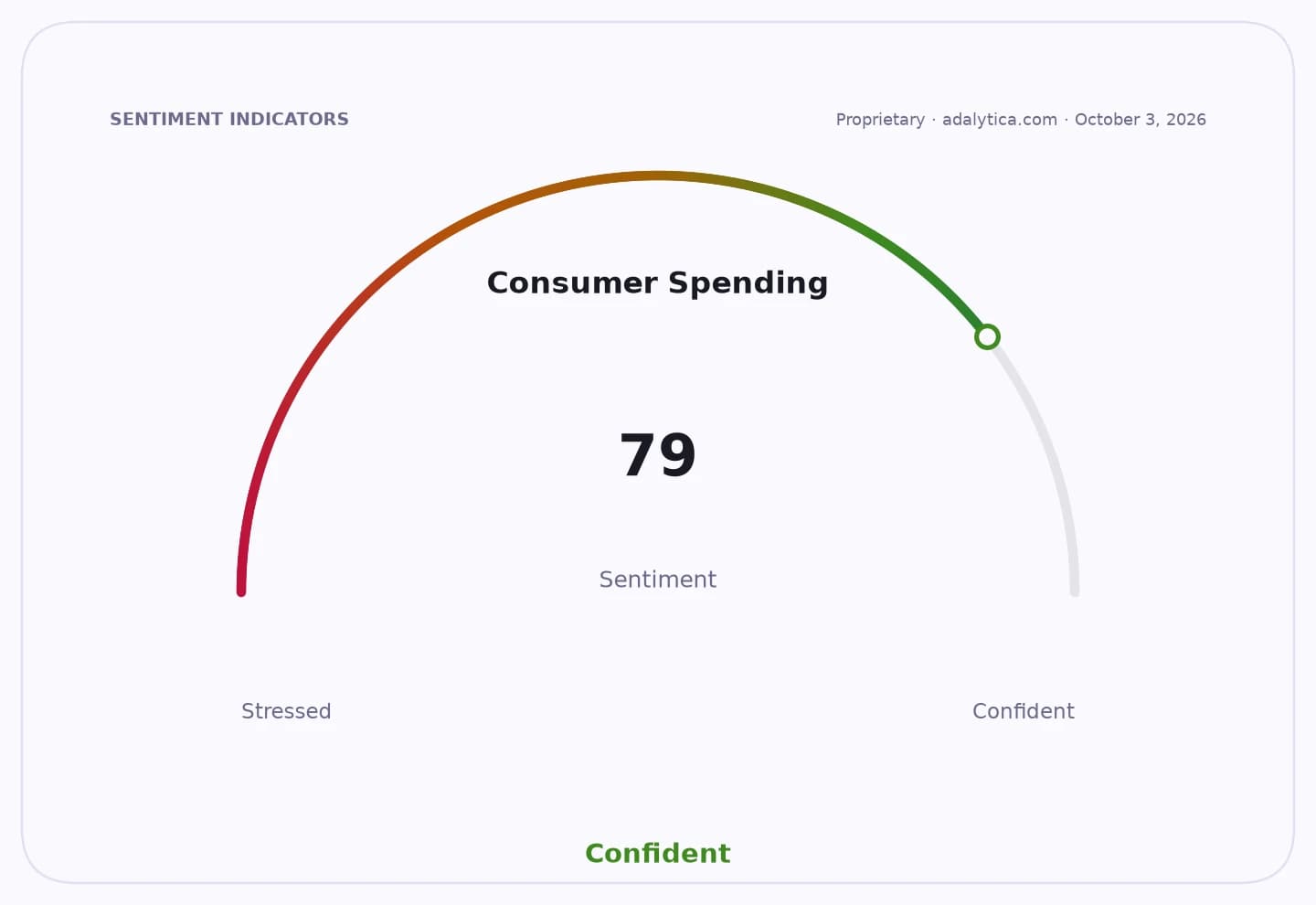
Sentiment IndicatorsⓘProprietary · adalytica.com · October 4, 2026
This is a snapshot — live sentiment, awareness and momentum for 130+ markets update continuously in the dashboard.Open AlphaPulse
The clearest gap was in peanut butter, where Aldi’s Peanut Delight came in at 12 cents an ounce versus 40 cents an ounce for Costco’s Kirkland Signature organic version, a roughly 70% advantage for Aldi. Chicken was also cheaper at Aldi: Kirkwood chicken breast was priced at $1.99 a pound from Sept. 23 through at least Nov. 3, down from a July comparison of $2.19 a pound against Costco’s $3.17 a pound, a difference of nearly 31%.
Bread and coffee also favored Aldi in some regional checks. In Dallas, sourdough cost 16 cents an ounce at Aldi versus 20 cents at Costco, while ground coffee was 46 cents an ounce at Aldi compared with 54 cents at Costco. In Boston, white bread was $1.45 a loaf at Aldi versus about $2.90 for a two-pack at Costco, cutting the per-loaf cost by half, though the products were not identical.
Aldi also came out ahead on several pantry staples, including penne pasta, black beans, tuna, whole milk and all-purpose flour in the comparisons reviewed. But Costco still won on items such as rice, canola oil, cereal, salt, bottled water and other high-volume basics, showing the fight is category-specific rather than a blanket victory for either chain.
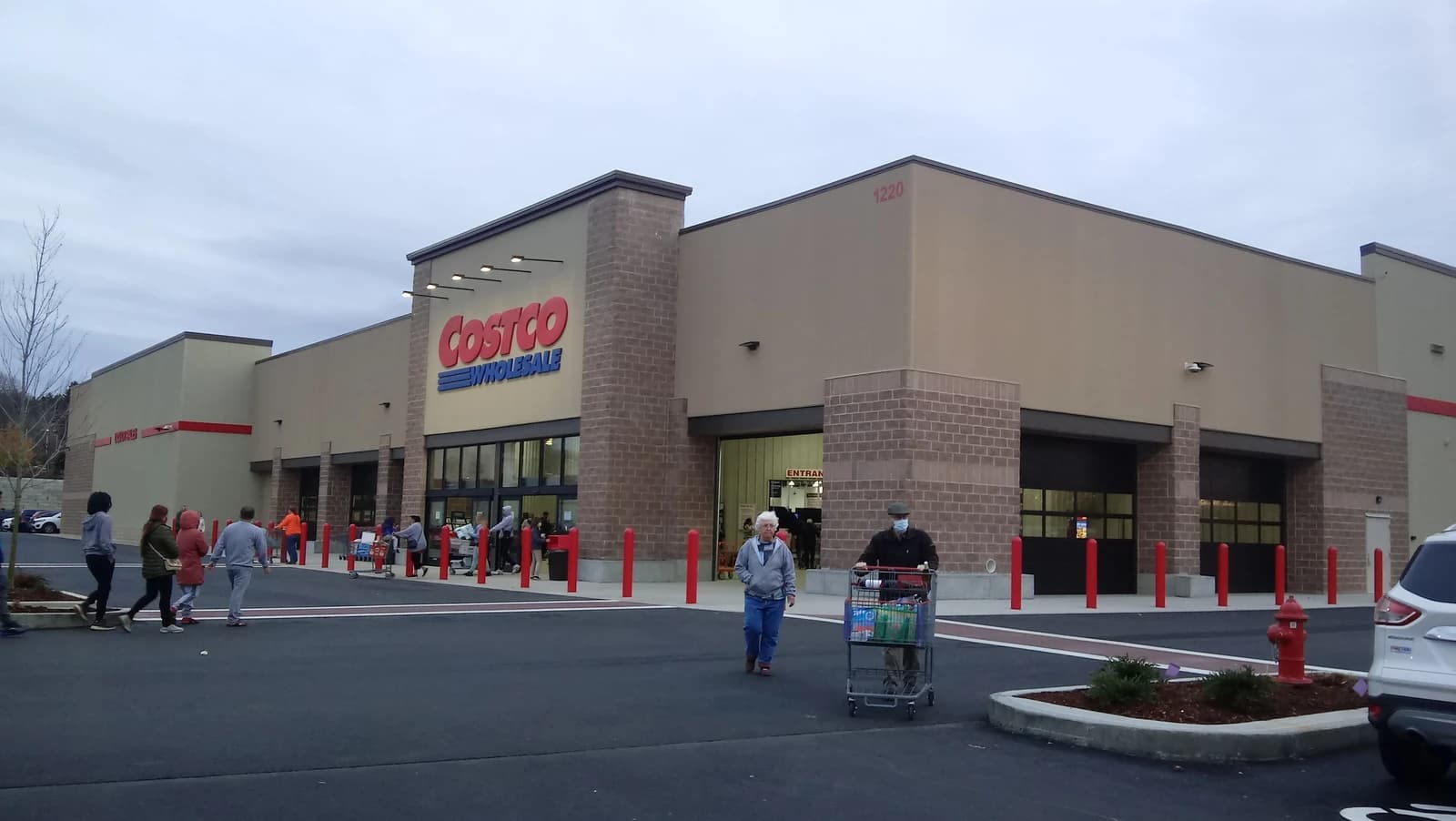
The broader economic backdrop explains why these comparisons are resonating. U.S. food-at-home prices were 2.2% higher in August than a year earlier, according to the Bureau of Labor Statistics, leaving households still looking for ways to stretch budgets. Aldi is leaning into that pressure with a no-membership model and saying nearly a third of its everyday assortment is priced below 2025 levels, while also estimating $86 million in savings during its fall campaign. Costco, by contrast, still charges $65 a year for its Gold Star membership and argues that its buying power delivers the best value on the market.
For investors, the story is less about which chain is cheaper on a given shelf and more about what kind of consumer behavior each model attracts. Aldi’s smaller pack sizes and lower upfront ticket can appeal to cash-strapped shoppers and households trying to avoid waste, while Costco retains an edge with bulk discounts for customers who can use larger quantities efficiently. That dynamic supports the long-running bull case for both chains: Aldi as a value-led traffic winner and Costco as a membership-driven retailer with pricing power and loyal repeat spending.
The implications for Walmart and Target are more indirect but still important. As consumers compare unit prices more aggressively, the whole grocery channel faces tighter competition on staple items, especially as oil-related supply costs and broader household inflation keep budgets under pressure. The result is a more fragmented value hunt, where shoppers may split baskets across retailers rather than commit to one store for everything.
For investors, the key question is whether Aldi’s sharper pricing wins enough share to offset Costco’s scale, membership revenue and premium brand loyalty. The answer will depend on whether households continue prioritizing immediate cash outlay over pack-size efficiency, and whether inflation keeps pushing shoppers to trade down.
| Entity | Gains | Losses |
|---|---|---|
| Aldi | ▲More value-seeking traffic | ▼Lower-margin pressure |
| Costco | ▲Loyalty from bulk buyers | ▼Price-comparison scrutiny |
| Shoppers on tight budgets | ▲Lower unit costs | ▼Less convenience in some baskets |
| Walmart and Target | ▲Opportunity to capture split baskets | ▼Higher competitive pressure on staples |