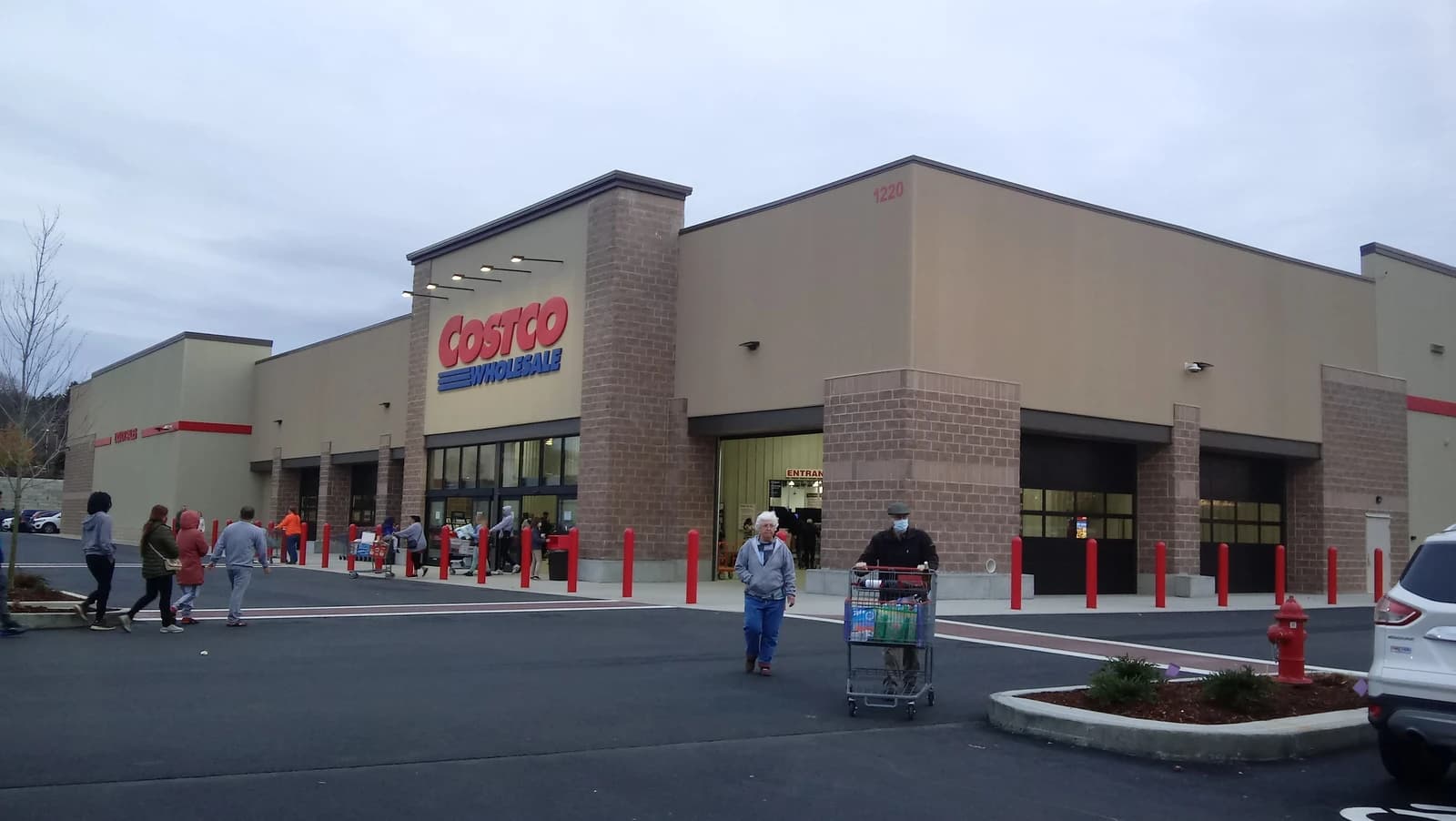
Costco’s real profit engine is not the pallet of low-price goods on the floor, but the annual fee shoppers pay to get through the door. That subscription-style model is why the warehouse club can sell near-cost staples, keep gross margins around 11%, and still produce one of retail’s strongest earnings machines.
Costco earnings hinge on membership fees
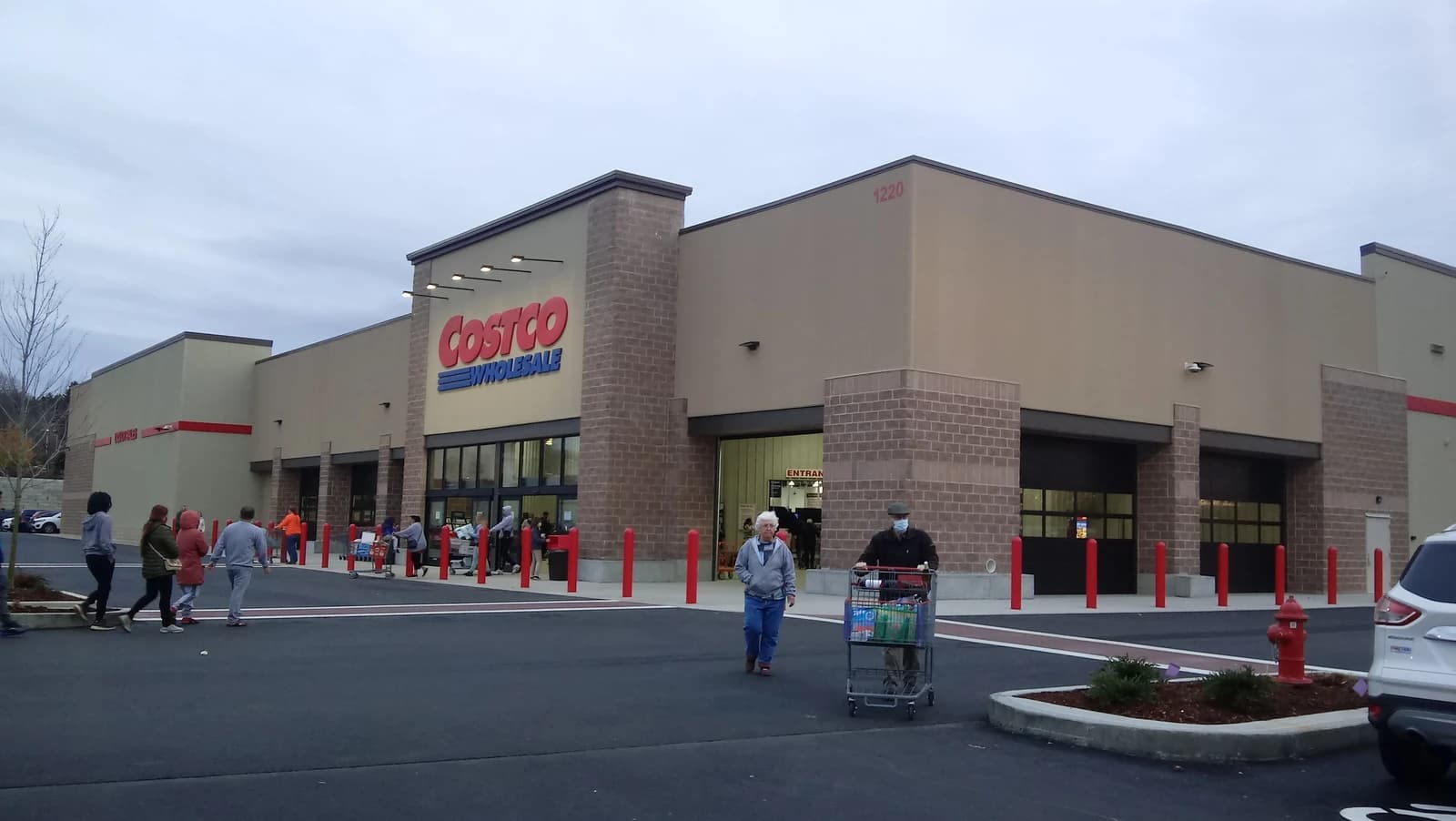
The company reports fiscal fourth-quarter results tonight, with Wall Street looking for about $94.9 billion in revenue and earnings per share of $6.53. Yet the numbers that matter most are less about how much merchandise Costco moved — monthly sales already pointed to $93.9 billion in the quarter, up 11.3% — and more about whether the membership base kept compounding.
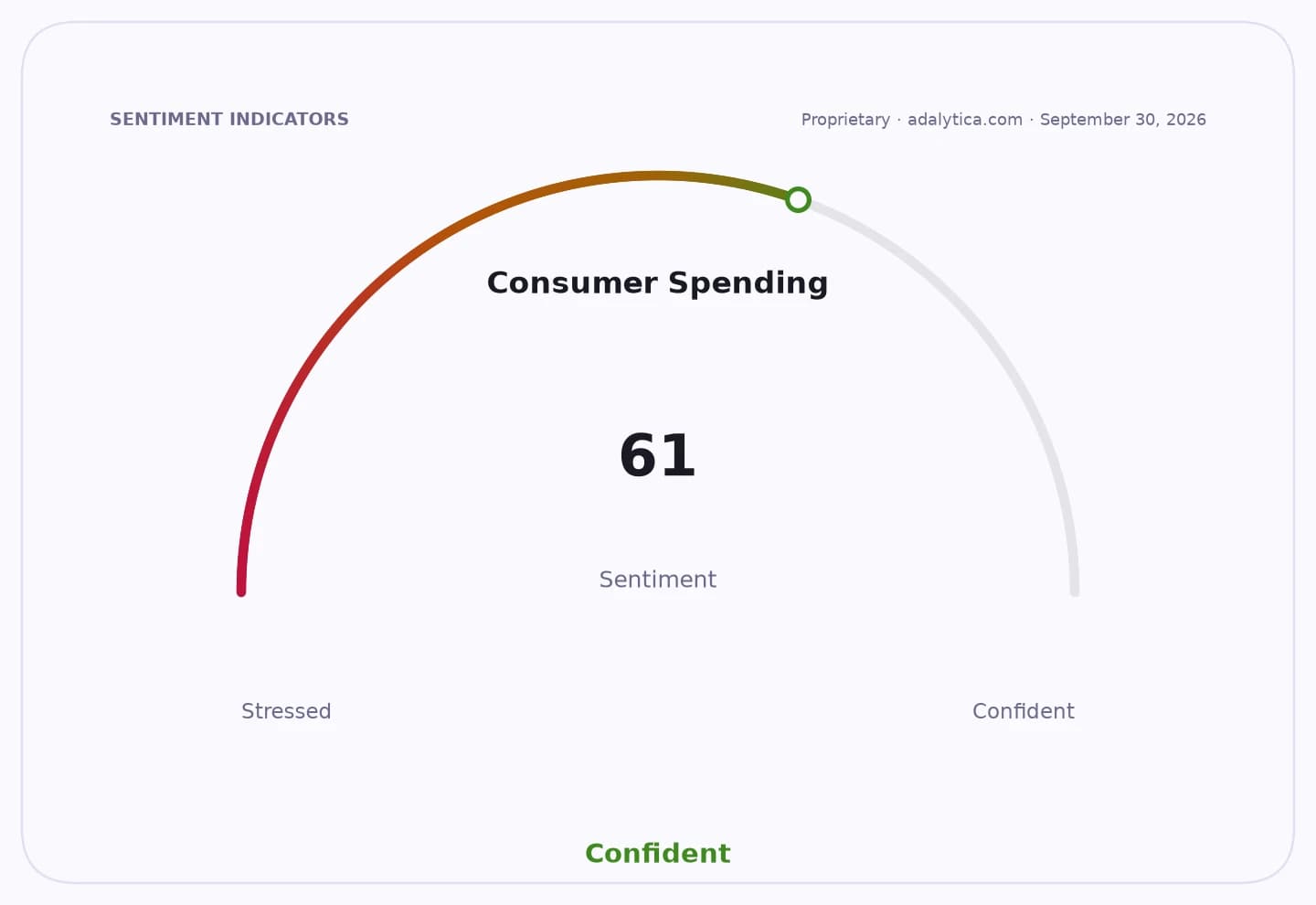
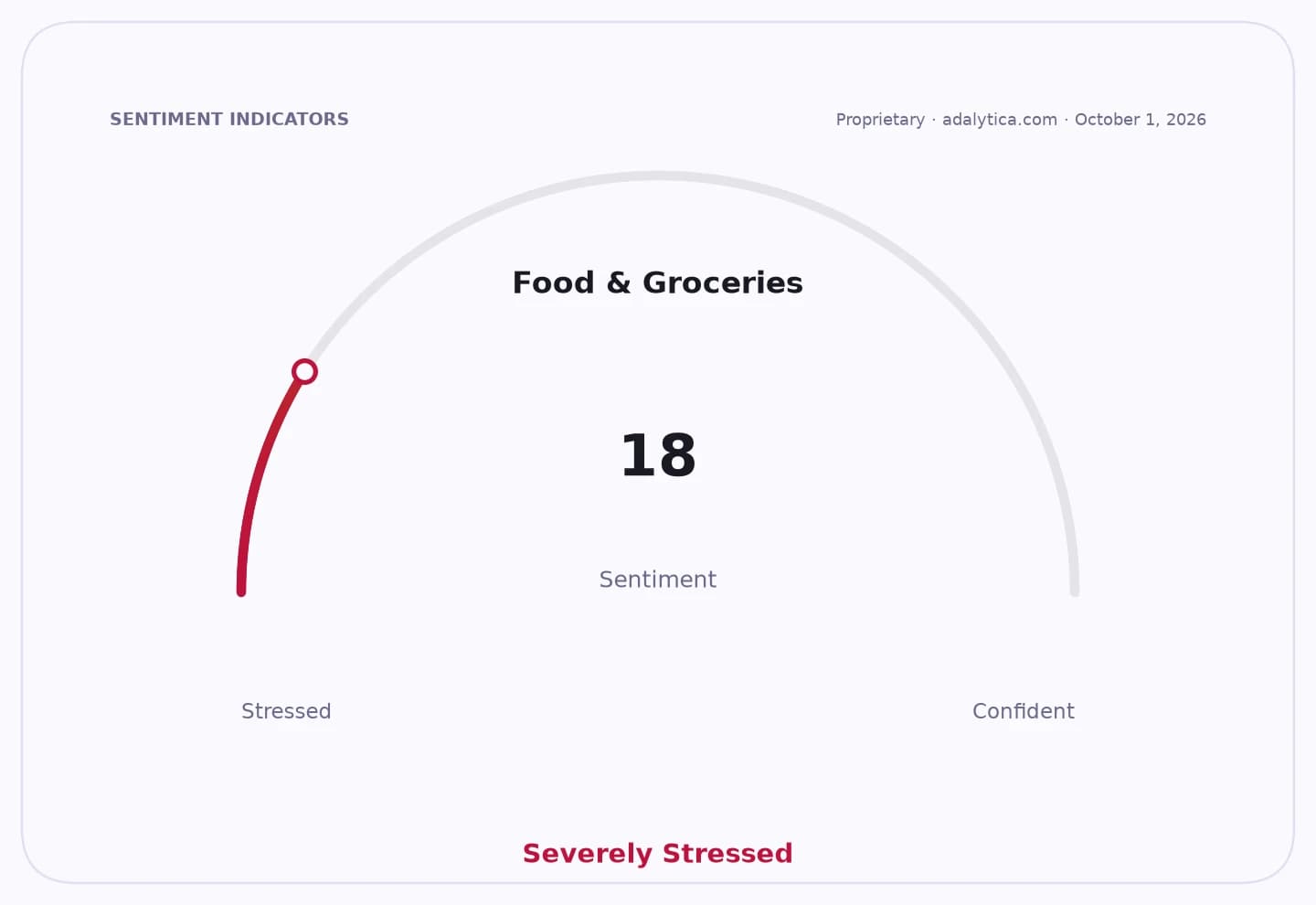
Sentiment IndicatorsⓘProprietary · adalytica.com · September 29, 2026
This is a snapshot — live sentiment, awareness and momentum for 130+ markets update continuously in the dashboard.Open AlphaPulse
That is where Costco’s economics become unusual. In fiscal 2025, the company generated $269.9 billion in sales, but gross profit on merchandise was only about $30 billion against roughly $25 billion of selling, general and administrative costs, leaving only a modest retail spread before membership income. Fee revenue of $5.3 billion, from a business that represented just 1.9% of revenue, contributed more than half of operating income. It is a rare retailer where the profit pool comes disproportionately from renewals rather than markups.
The durability of that stream is the key investment case. Renewal rates reached 92.3% in the US and Canada and 89.8% globally at the end of fiscal 2025, levels that make the membership fee look more like a recurring subscription than a discretionary retail charge. Costco’s September 2024 fee increase, the first in seven years, did not dent retention and still accounted for a quarter of membership growth in the spring. Executive memberships, which carry a higher fee, rose 9.6% year on year to 41.2 million, reinforcing the mix shift toward higher-value members.
That matters because Costco is not simply selling cheap goods; it is using low prices to lock in traffic, and traffic to preserve pricing power. With fewer than 4,000 active SKUs in stores, compared with more than 100,000 at a traditional hypermarket, Costco concentrates volumes and squeezes suppliers hard enough to win purchase terms that competitors struggle to match. The loop is self-reinforcing: lower shelf prices attract members, members deepen supplier leverage, and supplier leverage helps keep prices low.
Costco’s warehouse design and inventory discipline amplify that advantage. Inventory turnover ran at about 13 times a year in fiscal 2025, or roughly 28 days on hand, allowing the company to sell goods before paying for them in many cases. That helps explain why the model can generate attractive cash flow even when the merchandise gross margin is only 11.12%, far below Walmart’s 24.2% in its latest fiscal year. The warehouse club is effectively using its suppliers’ financing and its customers’ annual fees to support a very lean operating structure.
Investors, though, are buying into a structure that leaves little room for complacency. Costco shares trade at about 43.7 times expected earnings, a premium that reflects the market’s view that this is less a conventional retailer than a highly predictable subscription business. The stock has still slipped about 5% over the past month and is down roughly 18% from last year’s record, suggesting the market is no longer granting it unlimited credit for flawless execution.
Tonight’s report will therefore be judged less on headline sales than on margin trends, fee income and signs that membership loyalty is holding up as the company leans further into delivery. Costco has expanded on DoorDash across all US warehouses and widened its Uber Eats partnership to 47 states, nearly 600 stores. That creates a strategic trade-off: digital convenience can bring in spending from members who might not otherwise visit, but it can also erode the in-store impulse buying that helps justify the fee. Analysts are already split, with some warning that consensus EPS looks optimistic and others arguing the market is missing the model’s structural strength.
For investors, the central question is whether Costco can keep proving that a retailer can thrive by making almost nothing on the goods it sells, so long as customers keep paying to come back. If membership growth, renewals and fee income stay resilient, the premium valuation can survive. If those metrics soften, the whole machine looks less like a subscription and more like a very expensive grocery store.
| Entity | Gains | Losses |
|---|---|---|
| Costco | ▲Recurring fee income | ▼Merchandise margin pressure |
| Members | ▲Low shelf prices | ▼Higher annual fees |
| Suppliers | ▲Bulk volume access | ▼Tougher price negotiations |
| Short-term bears | ▲Lower valuation leverage | ▼Sticky renewals and cash flow |