Thai banks are still making money, but the business model is under pressure as falling rates, sluggish credit growth and heavy household debt squeeze lending income and force lenders to lean harder on fees and cost cuts.
Thai banks profit rises as lending slows

The five biggest banking groups in Thailand reported combined net profit of 144.3 billion baht in the first nine months of 2026, with Kasikornbank taking the lead at 40.6 billion baht. Three groups grew profit, while two posted declines, underscoring how uneven the recovery remains across lenders.
Sentiment IndicatorsⓘProprietary · adalytica.com · October 26, 2026
This is a snapshot — live sentiment, awareness and momentum for 130+ markets update continuously in the dashboard.Open AlphaPulse
The earnings split matters because it shows Thailand’s banking sector is no longer being carried by net interest income alone. Lower policy rates are narrowing margins, while credit demand from households and SMEs remains weak, limiting loan growth and forcing banks to preserve asset quality rather than chase volume.
The pressure is visible in the numbers. Bank of Thailand data cited in the report show systemwide lending grew just 2.0% in the second quarter, led by large corporates, while SME and consumer lending kept shrinking. Non-performing loans stood at 534.8 billion baht, or 2.82% of total loans, leaving banks cautious on new risk.
Kasikornbank’s profit rose 3.4% as non-interest income jumped 21.5%, helped by wealth management and investment businesses, even as net interest income fell 8.9% on lower rates. The bank also booked a one-off investment compensation gain, highlighting how some of the upside was not purely recurring.
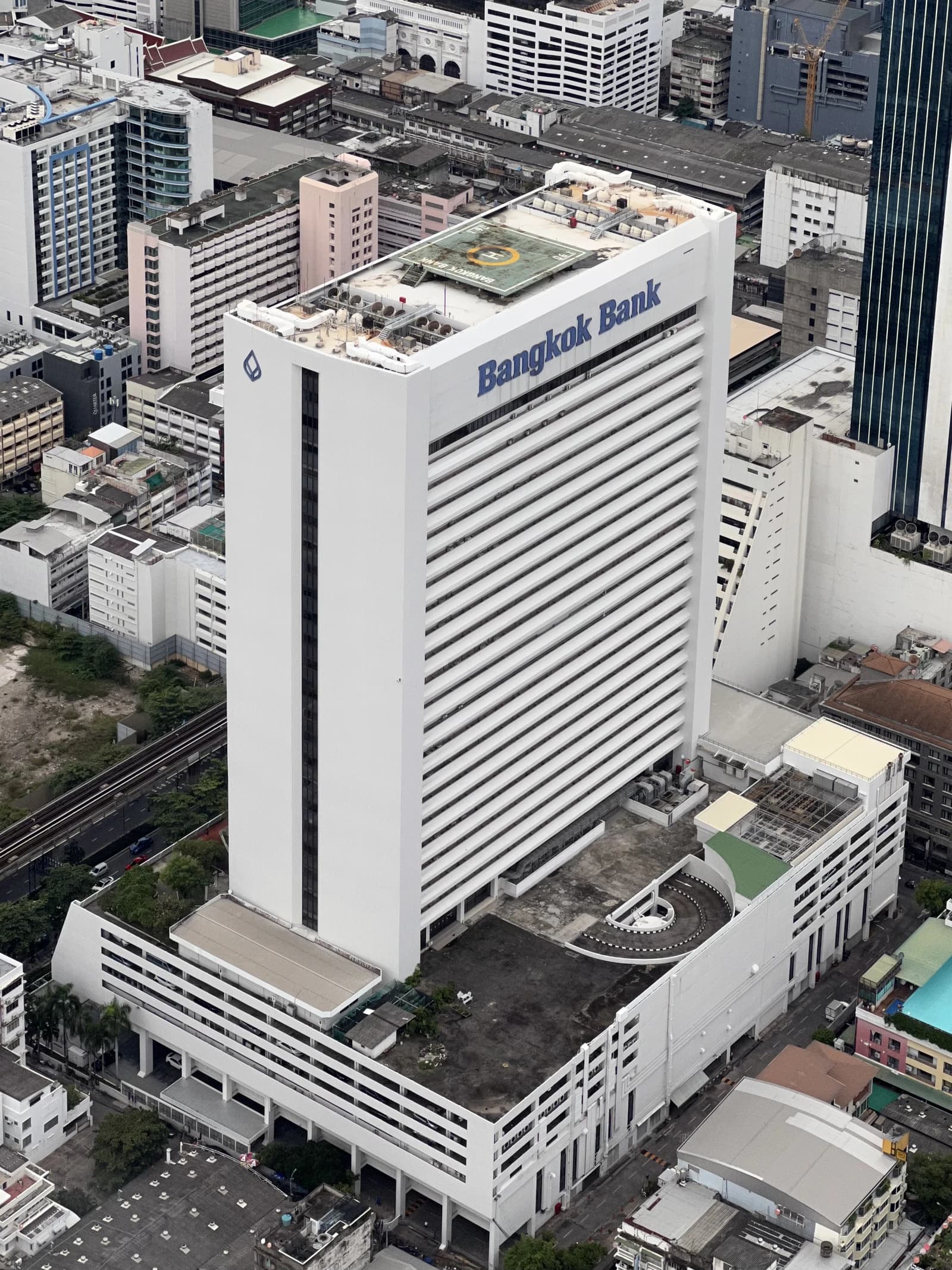
SCBX’s 14.3% drop in profit to 32.0 billion baht shows the downside of market volatility, with investment and trading income turning to a loss after bond yields rose. Bangkok Bank saw the steepest percentage decline, with profit falling 21.6% as net interest income weakened and investment gains faded, despite lower operating costs and credit expenses.
By contrast, Krungsri and TTB managed to grow profit, supported by higher-yielding loan books, fee income and tighter funding costs. Krungsri’s net interest margin widened to 4.58% from 4.28% a year earlier, while TTB kept its NPL ratio at 2.88%, below its target range, even as loans shrank 1.5% from year-end.
For investors, the message is that Thai banks remain profitable, but earnings quality is shifting. The winners are institutions with diversified fee income, stronger deposit franchises and better cost control; the laggards are those more exposed to margin compression and market swings.
The next test is the fourth quarter, when rate direction, loan demand from SMEs and households, and credit quality will determine whether profit growth can broaden beyond the strongest lenders. Banks are likely to keep pushing wealth management, fee-based services and digital efficiency to defend returns as the credit cycle stays muted.
| Entity | Gains | Losses |
|---|---|---|
| Kasikornbank | ▲Fee income diversification | ▼Lower net interest income |
| Krungsri, TTB | ▲Higher-margin lending, cost control | ▼Weak retail and SME loan demand |
| Bangkok Bank, SCBX | ▲Asset quality buffers | ▼Margin compression, market losses |
| Thai borrowers | ▲Lower borrowing costs | ▼Tighter credit standards |