Morocco has created an interministerial committee to monitor prices and move quickly against shortages as food inflation tightens household budgets and the government tries to blunt the political and social fallout ahead of Ramadan.
Morocco forms committee to monitor food prices
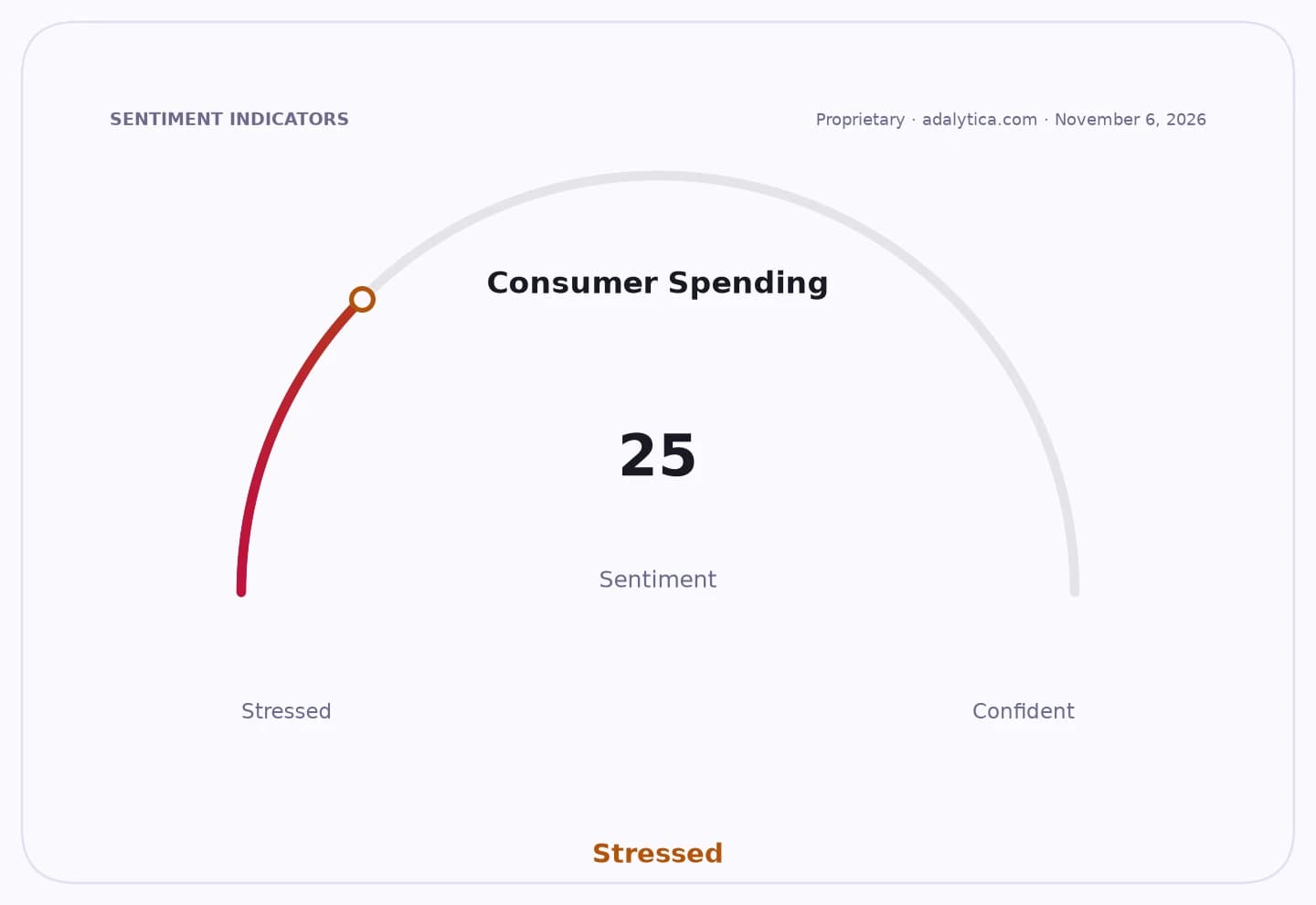
Consumer Spending
The step matters because food and other essentials are the items families feel first, and in a period of weak purchasing power even modest price rises can curb consumption, squeeze low- and middle-income households and heighten pressure on policymakers to intervene. The committee brings together the interior, economy and finance, agriculture and fisheries, industry and trade, and transport and logistics ministries, signaling that Rabat wants both pricing and supply-chain disruptions watched in real time.
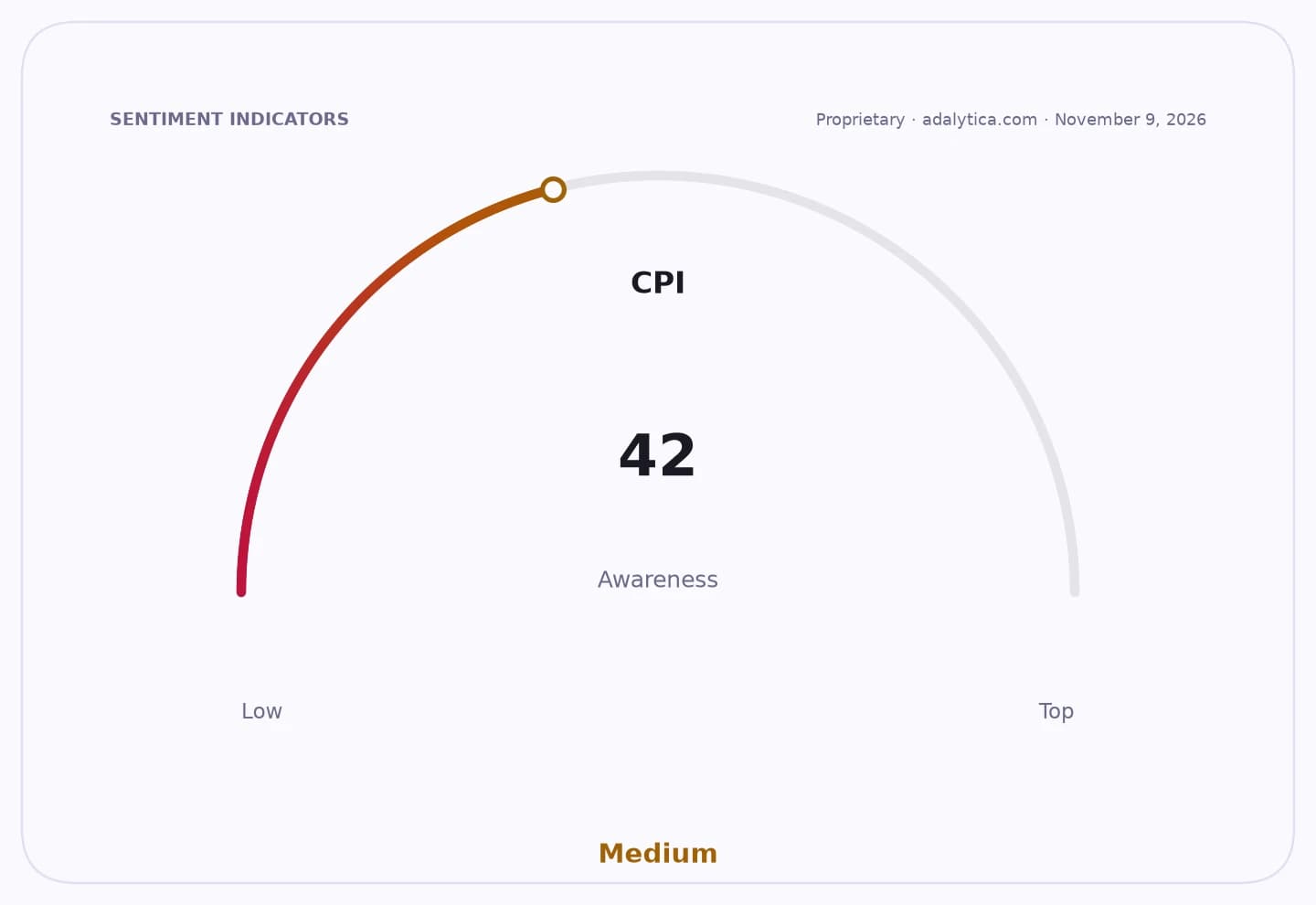
Sentiment Indicators
The government said the group will meet regularly to track market developments, assess fluctuations in essential goods and keep supply flowing, especially for products that see stronger demand at certain times of year. That focus is particularly relevant with Ramadan approaching, when demand for staples typically rises and any supply bottleneck can quickly feed through to shop prices and public anxiety.
The move comes after the government acknowledged growing financial strain on families and pledged practical measures to limit the impact of rising prices on daily life. Official data underline why the issue has risen to the top of the agenda: food prices increased 1.6% in September from August, with meat and vegetables up 4.3% each and milk, cheese and eggs rising 1.6%.
For investors, the announcement is less about direct market impact than about what it says on policy priority. Rabat is signaling that household consumption is under enough pressure to warrant active oversight, which could open the door to faster administrative interventions if price spikes worsen. That may help stabilize short-term social conditions, but it also points to a consumer backdrop in which discretionary spending remains fragile and retailers, distributors and food suppliers may face tighter scrutiny over pricing and supply.
The broader economic message is that inflation remains uneven and politically sensitive even where headline pressures are not exploding. With consumer confidence vulnerable and food a large share of household spending, the government’s response suggests it is trying to prevent localized price shocks from becoming a broader drag on demand and social cohesion. The key test now is whether monitoring alone is enough, or whether rising seasonal demand forces Rabat into more active measures to cap costs.
| Entity | Gains | Losses |
|---|---|---|
| Moroccan households | ▲Short-term price protection | ▼Less room for higher incomes |
| Government | ▲Social stability | ▼Policy flexibility |
| Food retailers and distributors | ▲Clearer oversight | ▼Greater pricing scrutiny |
| Consumers of essentials | ▲Better supply vigilance | ▼Higher compliance costs for sellers |