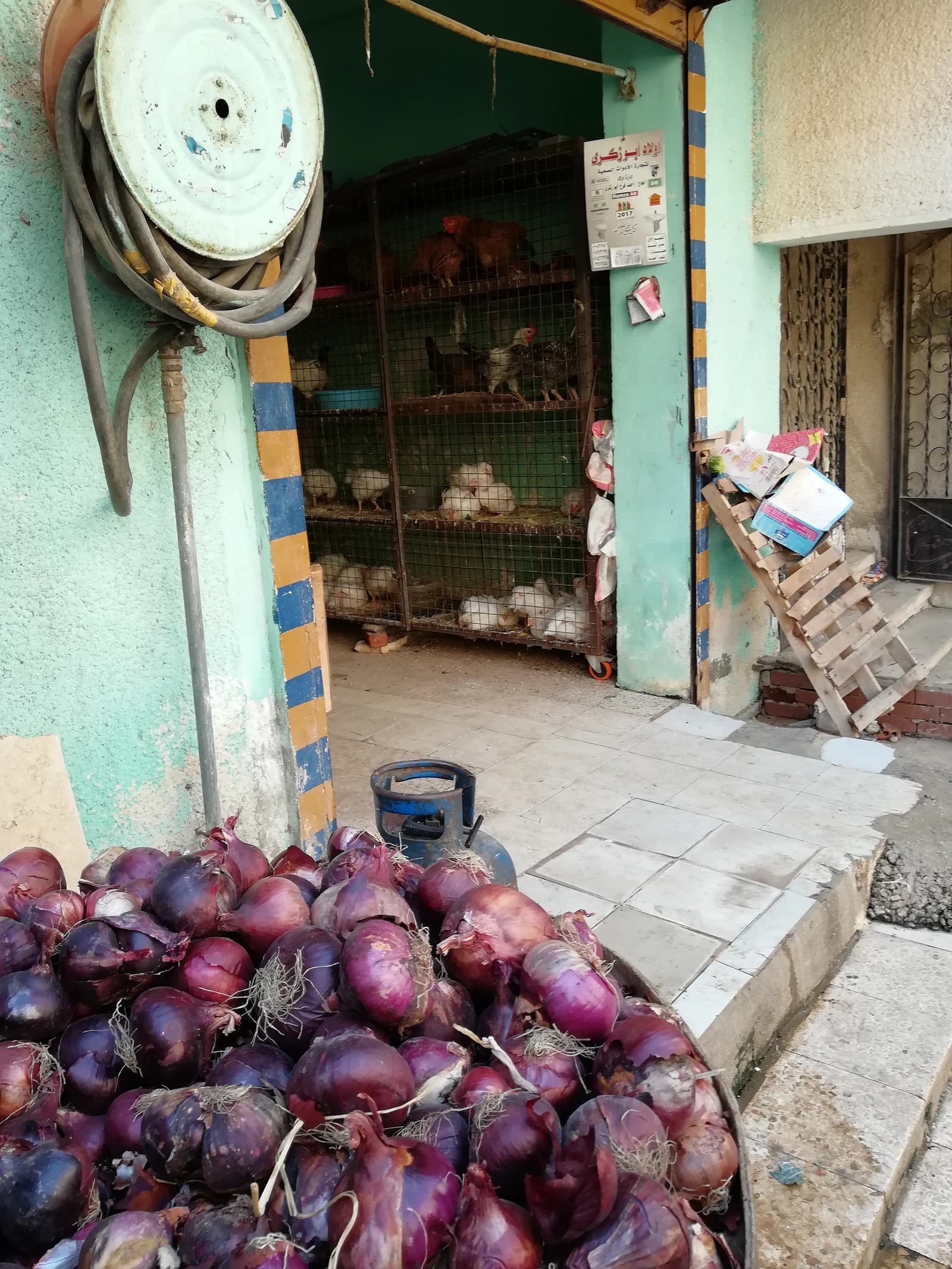
A wholesale market seizure of 3.5 tonnes of potatoes in Boumerdès shows Algeria is enforcing its capped food prices more aggressively — and that matters because potatoes are a household staple where even small breaches can quickly feed broader inflation and hurt consumer purchasing power.
Algeria Seizes 3.5 Tonnes of Potatoes in Boumerdès
The local commerce directorate said inspectors removed 3,510 kilograms from sale on Tuesday after traders refused to apply the regulated price, which caps retail potatoes at 90 dinars a kilogram. Authorities have opened legal proceedings, underscoring that this is no symbolic warning but part of a wider campaign to keep basic foods within reach.
Sentiment Indicators
For Algerian households, the policy is about more than one commodity. When staple prices are allowed to drift higher at the wholesale level, the effects ripple through family budgets and can deepen stress in an economy already sensitive to food costs. By targeting the wholesale market — where prices are effectively set before produce reaches the shop shelf — regulators are trying to stop markups earlier in the chain rather than only policing the final sale.
That makes this seizure economically important. It suggests the government sees speculative behavior or intermediary pricing pressure as a real threat to its cost-of-living strategy. It also shows the state is leaning on direct market intervention rather than waiting for supply to normalize on its own. For investors watching North African consumer trends, the message is that food inflation remains politically sensitive and subject to active state management.
There is also a quality issue that can blunt the benefits of price caps. Consumer groups have warned that some produce sold at official prices is damaged, dirty or unsellable, which means the headline savings may not fully translate into real household relief. In other words, enforcement of price ceilings is only part of the story; supply quality and distribution discipline matter just as much.
The Boumerdès action is likely to be repeated elsewhere if authorities think traders are testing the limits of the rules. For investors, the bigger takeaway is straightforward: in markets where governments are determined to protect purchasing power, pricing power can be far less durable than it looks. That makes basic food supply chains a space to watch, but not to chase blindly — the long-term winners are the operators that can stay compliant, reliable and efficient as enforcement tightens.
| Entity | Gains | Losses |
|---|---|---|
| Consumers | ▲Lower risk of price spikes | ▼Risk of poorer-quality produce |
| Algerian regulators | ▲Stronger price enforcement | ▼More policing burden |
| Compliant wholesalers | ▲Fairer competition | ▼Less room for markups |
| Noncompliant traders | ▲— | ▼Seizures and legal action |