A fresh wave of vegetable supply is pushing down prices in Dhaka’s retail markets, with eggs also becoming cheaper, offering households a modest respite even as energy costs and some protein prices stay elevated.
Dhaka vegetable prices fall as eggs get cheaper
The easing matters because food still takes a large share of spending for lower- and middle-income families, and small moves in everyday staples feed quickly into monthly budgets. For consumers already absorbing higher utility and transport costs, cheaper vegetables and eggs can soften the blow, even if the relief is limited and uneven across markets.
Sentiment Indicators
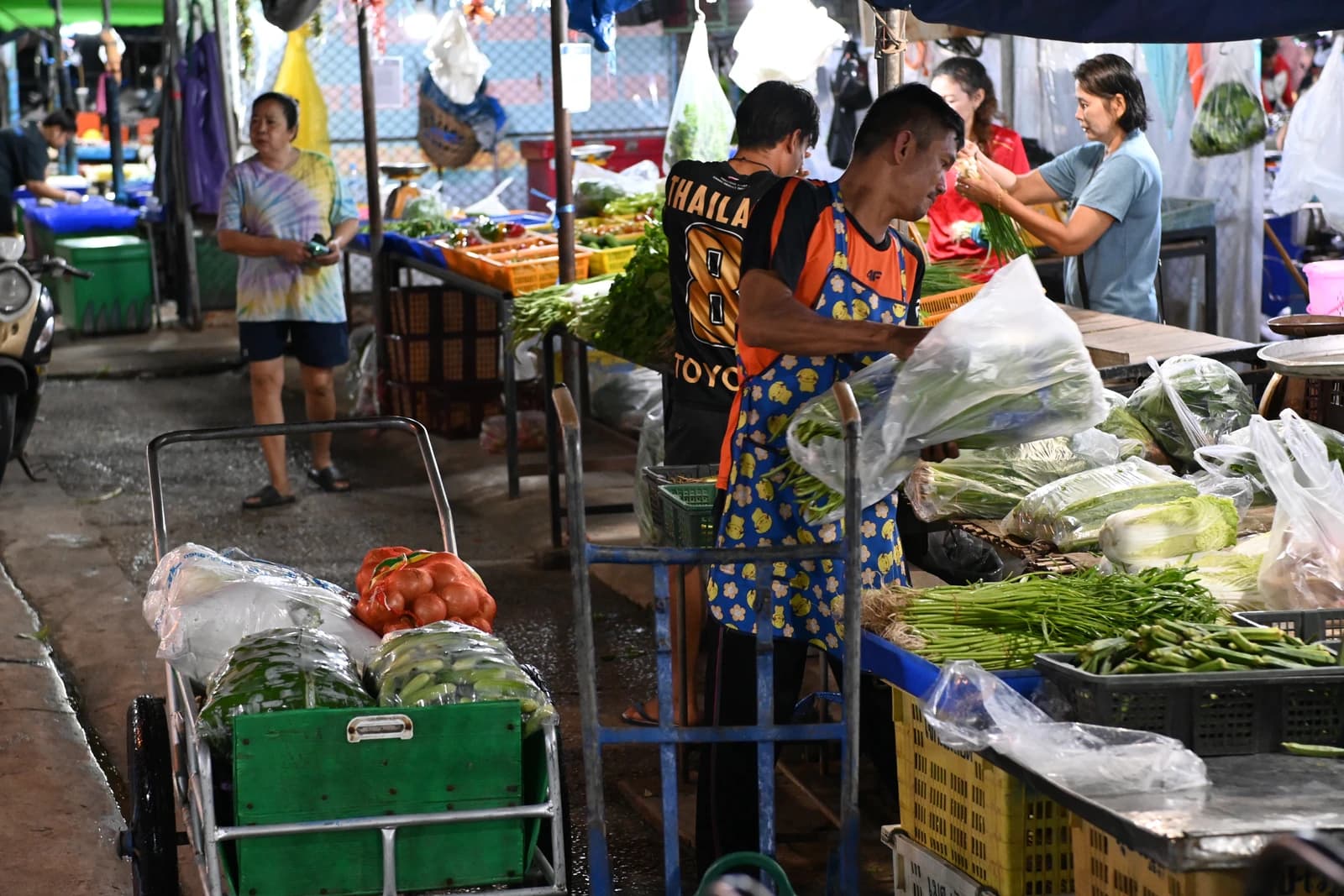
Shoppers and vendors in Rayerbagh, Motijheel, Segunbagicha and Mohakhali said the main pressure has come off several vegetables as early winter supply increased. Prices of some items fell by 10 to 20 taka a kilogram from last week, with beans, bottle gourd and cauliflower among the biggest decliners. In Segunbagicha, medium cauliflower sold for 40 to 50 taka apiece, while bottle gourd fetched 50 to 60 taka, and yardlong beans were quoted at 60 to 80 taka a kilo in Dhaka’s wholesale-to-retail markets.
That supply-driven correction is important for inflation because vegetables are among the most volatile components of South Asian food baskets. When harvest arrivals improve, retailers can pass through lower wholesale costs quickly, and even a short-lived dip can ease headline food inflation. The timing is also relevant: Bangladesh households are facing broader cost pressures, and consumer sentiment around food often turns on whether prices rise in parallel with fuel, power and transport costs.
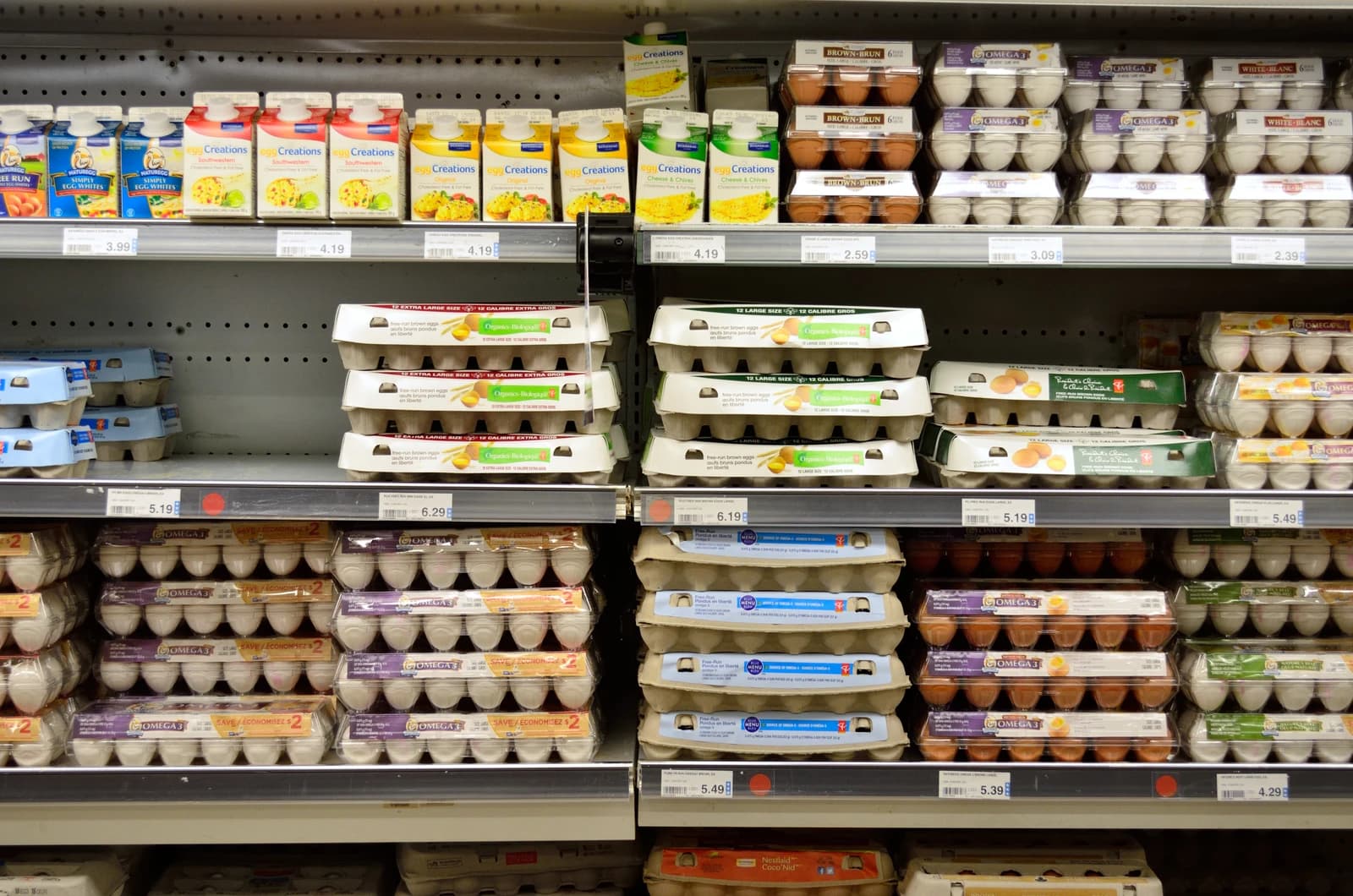
Eggs, another frequent household staple, also extended their decline. Retail chicken eggs fell by 5 taka per dozen to 135 taka, or about 45 taka a hali, after several weeks of tighter pricing. That offers some relief for protein demand among families that substitute eggs for pricier meat and fish.
Fish and meat, however, remained largely unchanged, limiting the breadth of the relief. Broiler chicken stayed at 180 to 185 taka a kilogram, while beef was still around 780 to 800 taka. Fish prices were stable across the markets surveyed, with some premium items such as shrimp still commanding high prices. That means the market is not showing a broad-based food disinflation, but rather a partial correction in perishable crops where supply has improved.
For investors and policymakers, the bigger message is that food inflation may be easing at the margin, but not disappearing. If the vegetable harvest continues to expand, the benefit could show up in consumer price readings and help ease pressure on real incomes. If weather, transport or supply-chain disruptions return, the relief could vanish as quickly as it appeared.
| Entity | Gains | Losses |
|---|---|---|
| Households | ▲Lower food bills | ▼Less pressure on budgets |
| Vegetable buyers | ▲Cheaper staples | ▼Fewer signs of scarcity |
| Vegetable sellers | ▲Higher sales volume | ▼Lower unit prices |
| Protein consumers | ▲Slightly cheaper eggs | ▼No relief in fish and meat |