Village eggs in Azerbaijan have become markedly more expensive, with wholesale prices in the regions climbing to 35 kopecks apiece as buyers struggle to find supply.
Azerbaijan egg prices rise to 35 kopecks
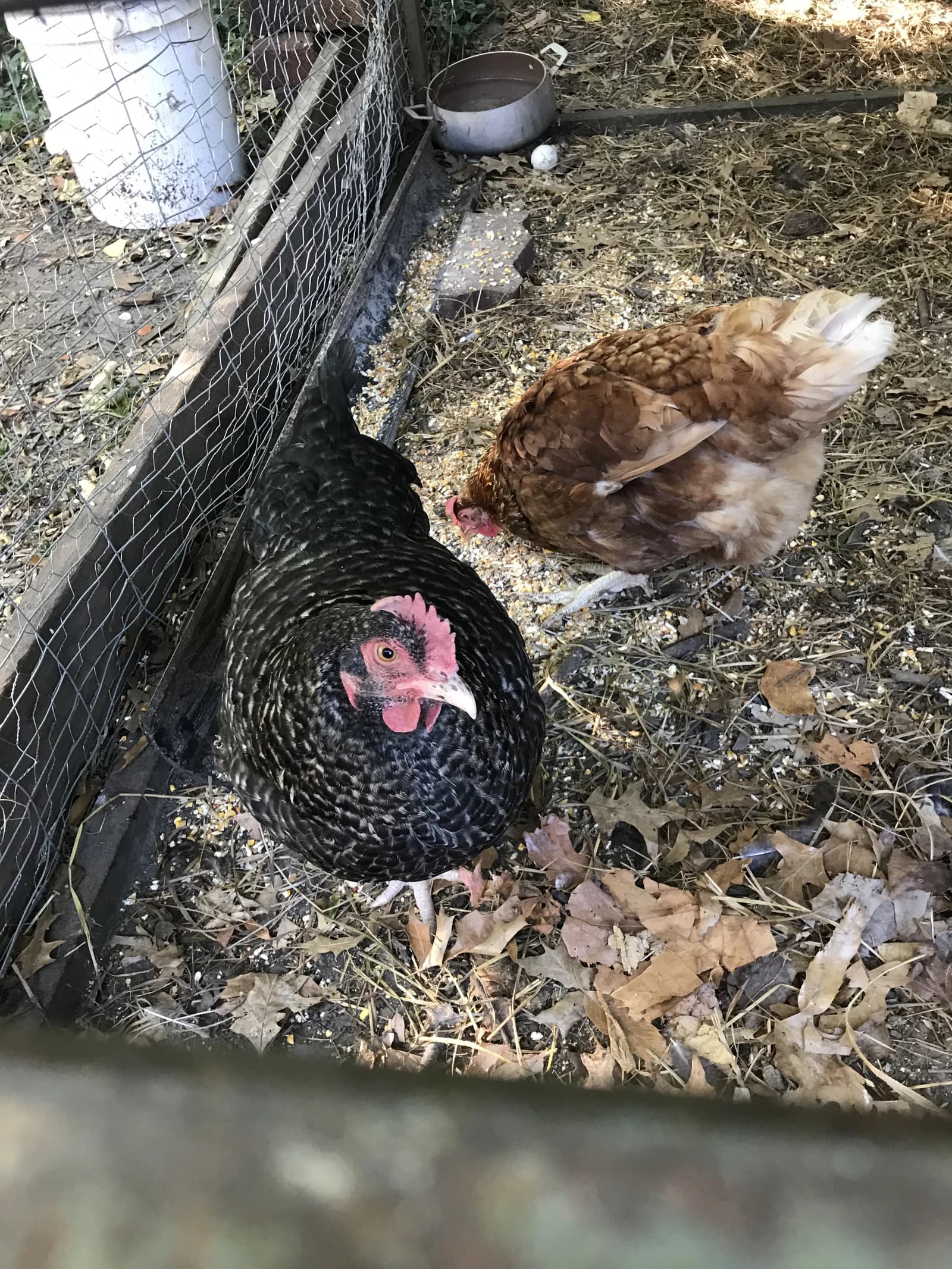
The jump from 20-25 kopecks just days earlier underscores a tightening in a staple food market that matters for household budgets and inflation expectations. Farmers say fresh village eggs are now hard to source, while some traders are already paying up for bulk lots of as many as 20,000 eggs.
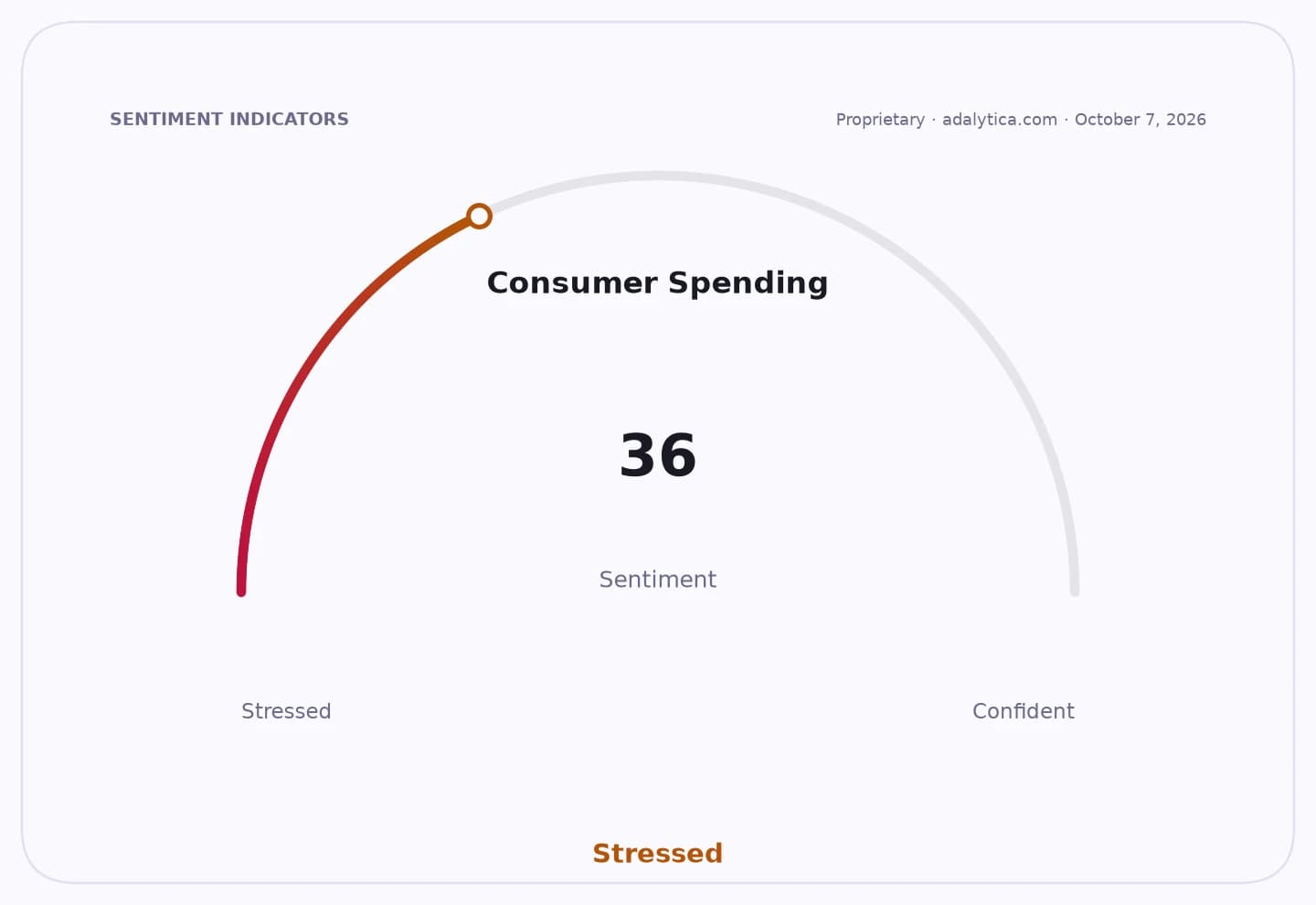
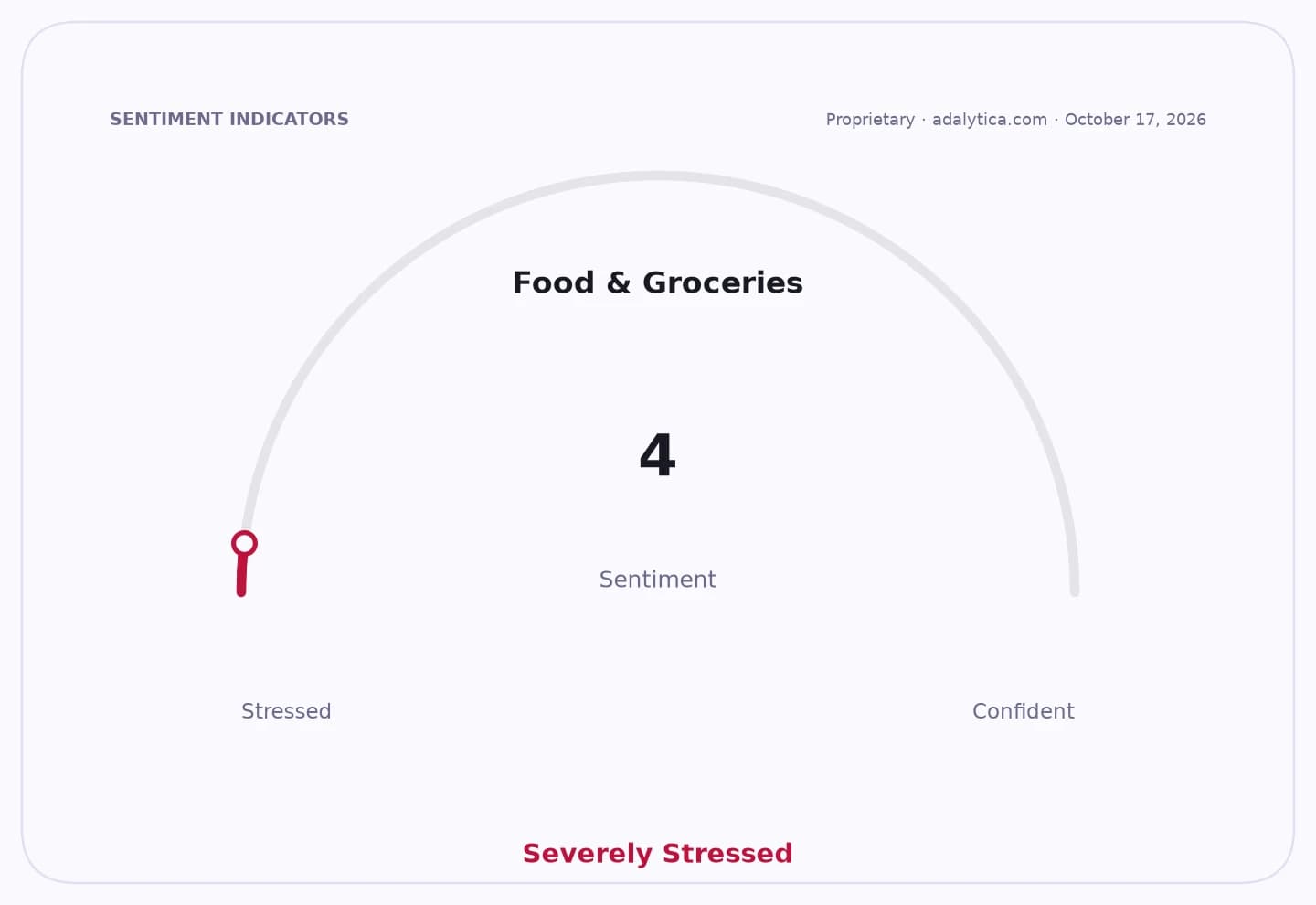
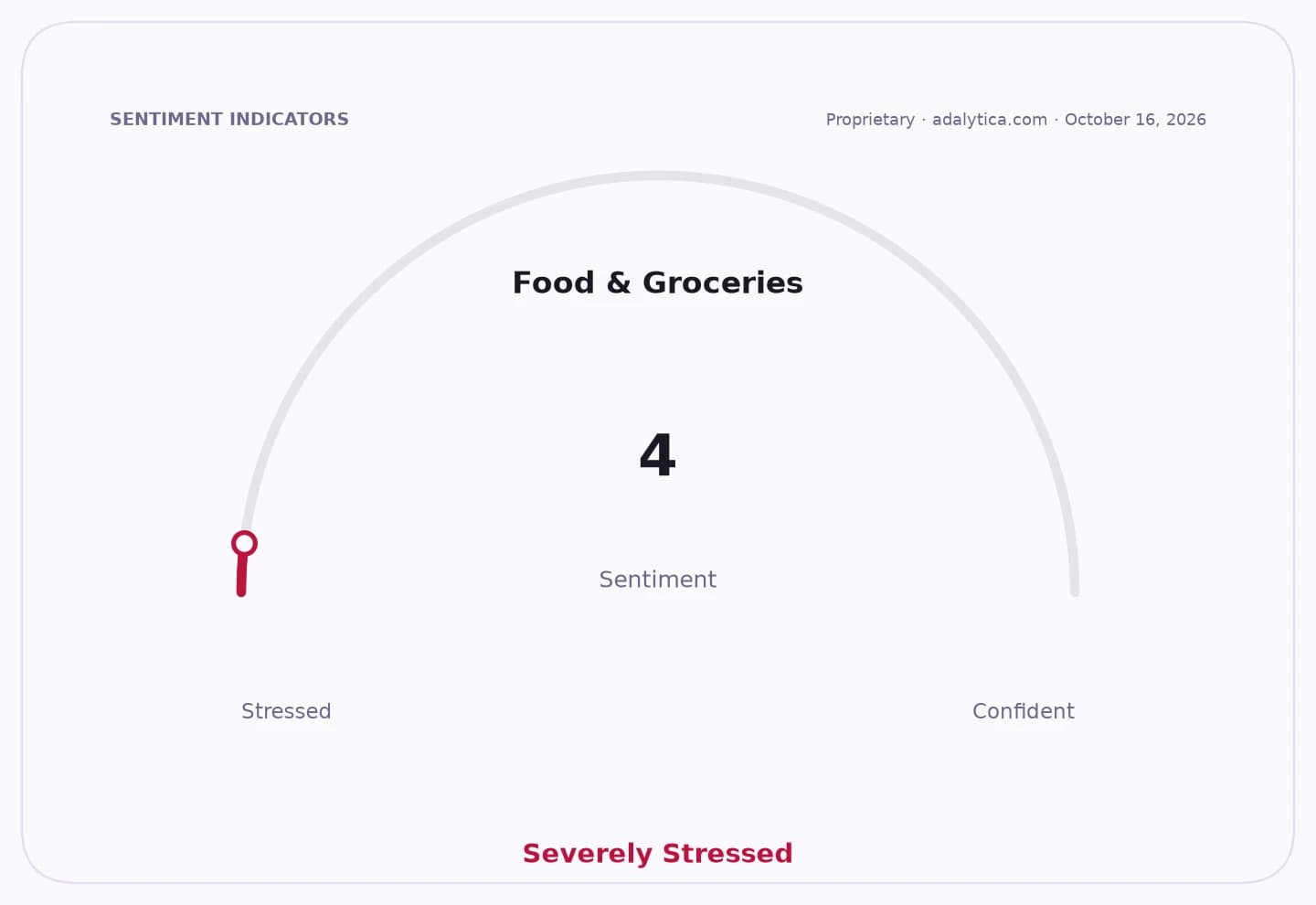
Sentiment IndicatorsⓘProprietary · adalytica.com · October 15, 2026
This is a snapshot — live sentiment, awareness and momentum for 130+ markets update continuously in the dashboard.Open AlphaPulse
In Baku, the same eggs are reportedly selling for 45 kopecks, suggesting the price pressure is spreading beyond rural wholesale channels into retail. The product also appears to be moving directly from farms to homes, bypassing shop shelves, a sign that availability is constrained enough to support direct sales at higher prices.
The move is important economically because eggs are a low-cost protein source and a frequent benchmark for food inflation. When a basic item rises so quickly, it can feed into broader consumer-price pressure, especially in markets where household food spending takes a large share of income.
For consumers, the increase means higher day-to-day living costs at a time when food affordability remains sensitive. For traders and producers, the shortage creates pricing power in the near term, but also raises the risk of sharper volatility if supply normalizes or if regulators take a closer look at market practices.
The broader global backdrop is also supportive of higher egg prices, with food inflation, supply bottlenecks and allegations of market control weighing on the sector in other countries as well. That leaves Azerbaijan’s egg market vulnerable to further increases unless farm supply improves quickly.
| Entity | Gains | Losses |
|---|---|---|
| Egg farmers | ▲Higher selling prices | ▼ |
| Traders with supply | ▲Wider margins | ▼Consumers facing higher costs |
| Azerbaijani households | ▲ | ▼More expensive basic food |
| Retail buyers | ▲ | ▼Higher inflation pressure |