South Korea’s dispute over expensive Brazilian egg imports is really a story about logistics, trade policy and emergency supply chains: the government says the eggs themselves cost 178 won each, while freight and tariffs made up 86.5% of the landed price.
South Korea Egg Import Costs and Logistics
That matters because it shows how quickly a food-security stopgap can become a fiscal and political flashpoint when the supply chain stretches across continents. The Ministry of Agriculture, Food and Rural Affairs said the total import cost for Brazilian eggs was about 1,464 won per egg, compared with just 178 won for the local purchase price, with air freight at 959 won and tariffs at 307 won. In other words, the “expensive” eggs were not a case of bad buying so much as a costly decision to use long-haul aviation to shore up supply during an acute shortage.
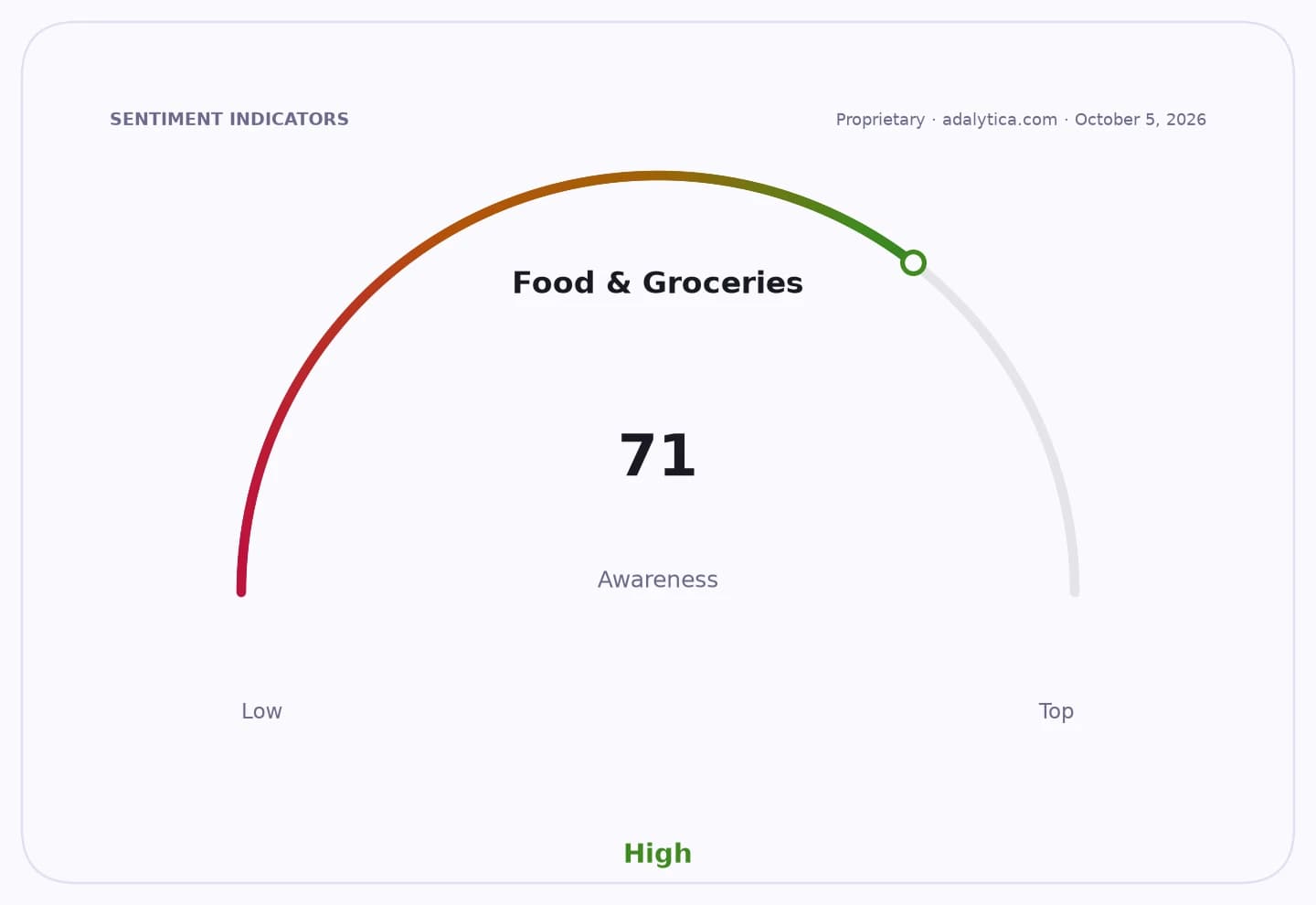
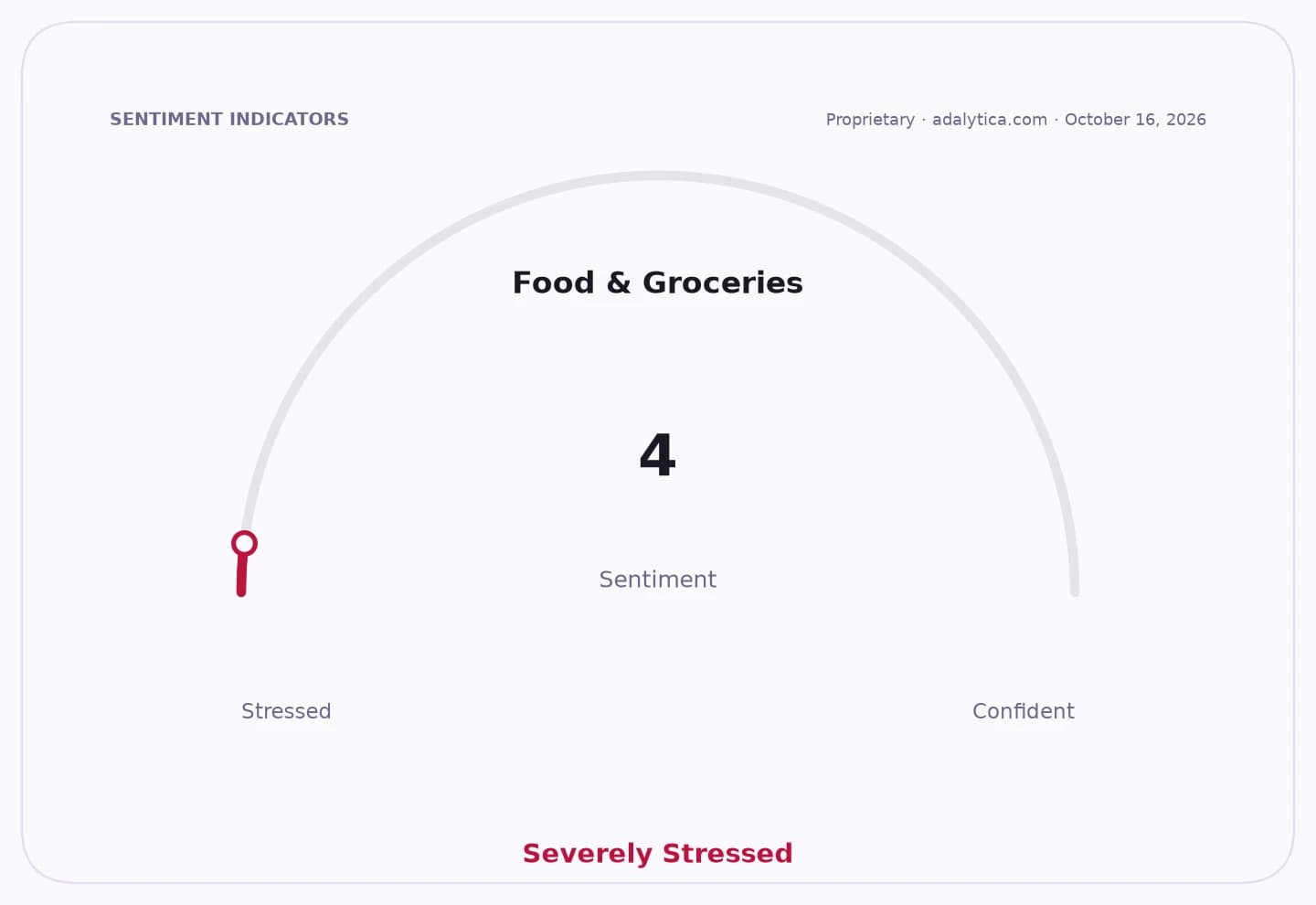
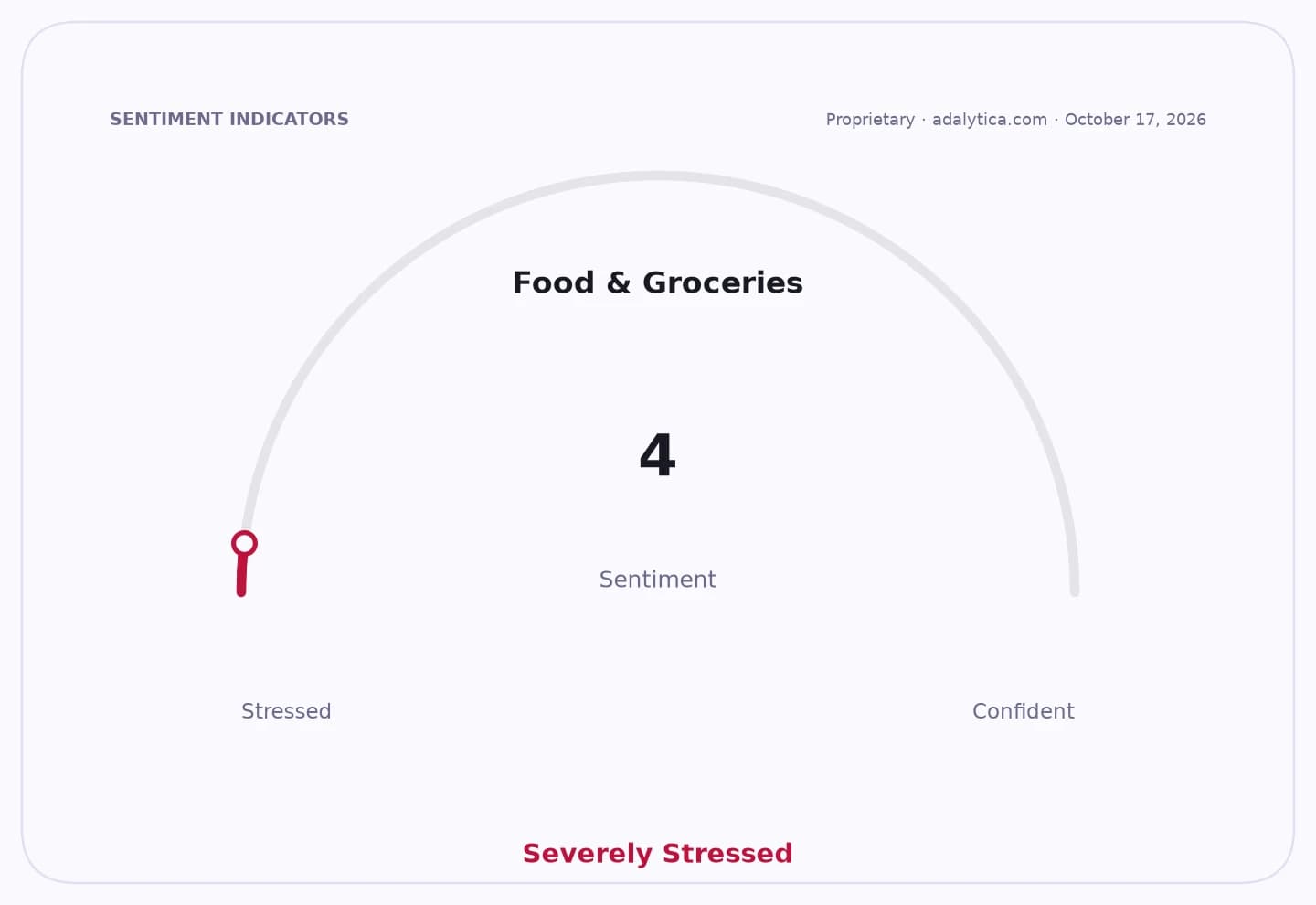
Sentiment IndicatorsⓘProprietary · adalytica.com · October 17, 2026
This is a snapshot — live sentiment, awareness and momentum for 130+ markets update continuously in the dashboard.Open AlphaPulse
For investors, the implication is broader than one poultry shipment. The market often underestimates how much inflation in basic staples can be driven by transport, customs and emergency sourcing rather than farmgate prices. That creates opportunity in the infrastructure and logistics chain when governments are forced to pay up to secure food supply — and it also puts pressure on consumer-facing food names that cannot fully pass on volatility. The policy lesson is that food security has a real balance-sheet cost, especially when shortages are severe enough to trigger cross-border air freight.
Seoul said the Brazilian trial accounted for only 0.8% of this year’s 133.24 million imported eggs, but it still served as a stress test for a system rattled by bird flu. After the winter cull of 11.34 million laying hens and supply disruptions in the U.S., the ministry expanded sourcing to the U.S., Thailand, Brazil and Denmark to diversify away from a single market. It also said the import was never meant as a profit-making trade, but as a policy move to stabilize supply and ease consumer pressure, with the eventual retail supply price set administratively at about 131 won per egg on average.
The political overhang now matters as much as the economics. President Lee Jae-myung has already ordered a hard line against misinformation around the Brazilian eggs, which suggests the government wants to defend the intervention as a necessary buffer against bird flu-driven shortages, not waste. For markets, that means the next catalyst is not whether one batch of eggs was “too expensive,” but whether Korea and other governments lean harder into diversified emergency sourcing, which keeps freight demand firm and reinforces the value of logistics capacity, cold-chain infrastructure and vertically integrated poultry operators.
For investors, the actionable takeaway is clear: the real trade here is not eggs, but the toll roads of food security. When transportation and border frictions dominate landed cost, the winners are carriers, logistics providers and diversified agribusinesses with scale; the losers are policymakers under pressure, import-dependent consumers and any producer exposed to sudden swings in emergency supply pricing.
| Entity | Gains | Losses |
|---|---|---|
| Logistics and air cargo providers | ▲Higher emergency freight demand | ▼Price scrutiny |
| Diversified egg suppliers | ▲More sourcing opportunities | ▼Margin volatility |
| Korean consumers | ▲Short-term supply stabilization | ▼Higher hidden import costs |
| Policymakers | ▲Supply security cover | ▼Political criticism |