Omsk region officials used Moscow’s Golden Autumn farm fair to lock in agreements on cheaper food supplies, export promotion and agricultural insurance, a package that underscores how Russian regions are trying to shield the farm sector from cost pressure while widening sales channels.
Omsk region secures food supply and export deals
The most immediate economic significance is at the regional level: the deal with supplier Pegasus for lower-priced products should help ease food inflation pressures inside Omsk, while the cooperation pacts with Agroexport and the National Union of Agricultural Insurers point to a broader effort to support producers beyond the farm gate. In a country where agriculture has become one of the more strategically important sectors of the economy, the terms of distribution, pricing and risk transfer matter almost as much as yields.
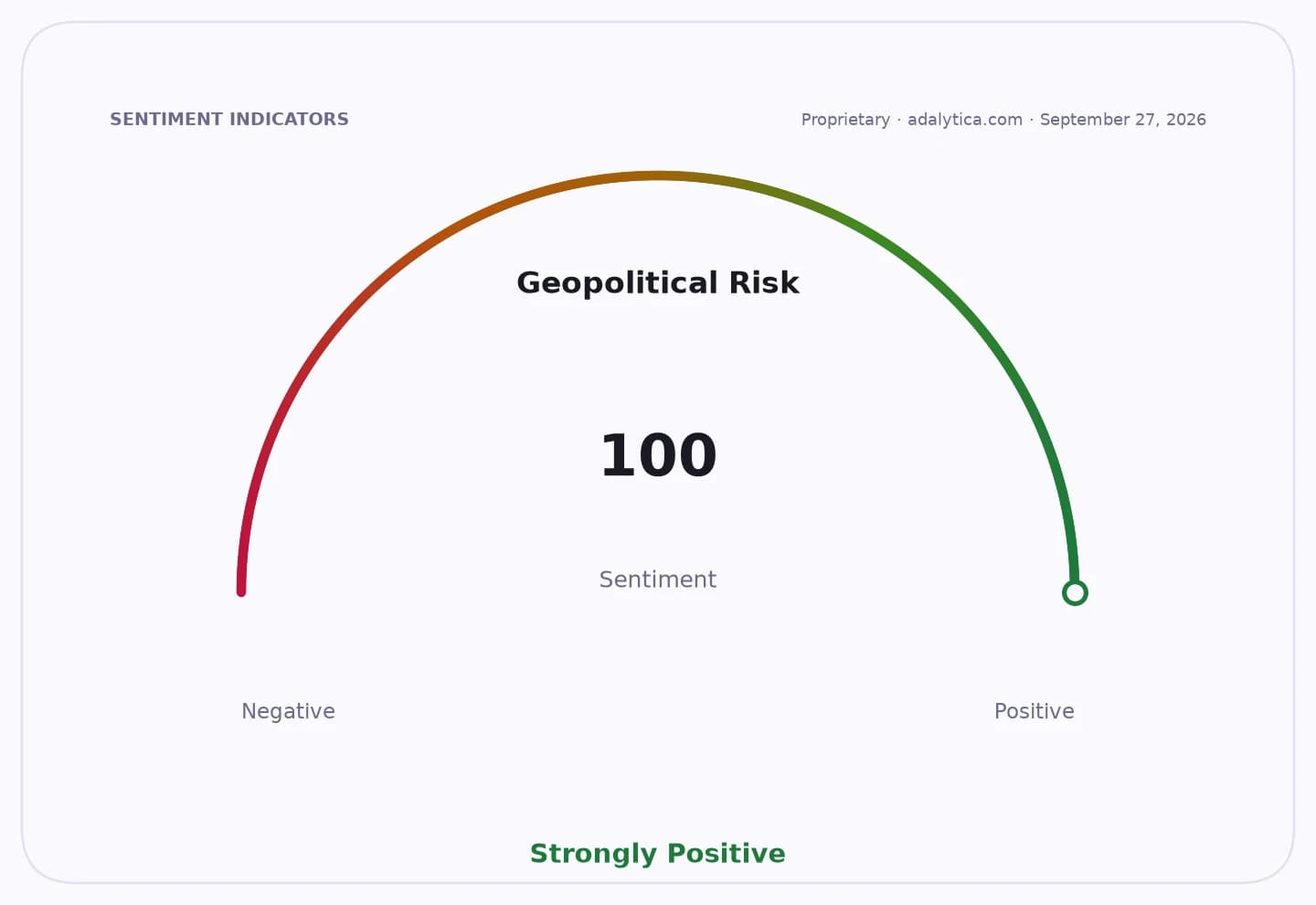
Sentiment IndicatorsⓘProprietary · adalytica.com · October 11, 2026
This is a snapshot — live sentiment, awareness and momentum for 130+ markets update continuously in the dashboard.Open AlphaPulse
The agreements come as Moscow is pushing for greater import substitution, more efficient use of domestic machinery and wider deployment of drone technology in farming. At the plenary session, Prime Minister Mikhail Mishustin and Agriculture Minister Oksana Lut sketched those priorities, with regional officials presenting themselves as executioners of federal policy rather than passive recipients. For Omsk, that means tying local producers into national export infrastructure and insurance mechanisms that can reduce volatility for growers and processors.
Export capacity is especially relevant because Russian agriculture has increasingly leaned on overseas sales to absorb surpluses and stabilize farm incomes. A partnership with Agroexport should help the region navigate foreign-market access, logistics and standards, even if actual shipment volumes are not disclosed. Insurance is the other side of the same coin: climate variability, freight disruptions and market swings make coverage more valuable for producers deciding whether to plant, store or ship.
For investors, the story is less about a single contract than about the durability of Russia’s farm model under sanctions, logistics constraints and domestic price controls. Producers and regional processors may benefit from better market access and lower distribution costs, while insurers, exporters and suppliers gain from more formalized flows. The risk is that such agreements remain largely administrative unless they translate into higher throughput, better margins and more predictable cash generation across the agri-industrial chain.
The broader message from Golden Autumn is that Russian regions are still working to industrialize agriculture through state-backed coordination rather than market liberalization. That favors established domestic players with access to government relationships, but it also suggests that the next test will be execution: whether these deals can actually lower consumer prices, expand exports and reduce farming risk over the next planting and shipping cycles.
| Entity | Gains | Losses |
|---|---|---|
| Omsk farmers and processors | ▲Cheaper supplies, better market access | ▼Less pricing flexibility |
| Pegasus and domestic suppliers | ▲New regional demand | ▼Margin pressure |
| Agroexport and exporters | ▲Stronger regional pipeline | ▼Higher execution burden |
| Agricultural insurers | ▲More policy demand | ▼Greater claims exposure |