Albania’s push to curb cash use is running into the one thing policymakers can’t legislate away: the cost of taking card payments.
Albania Card Payment Fees Slow Cash Shift
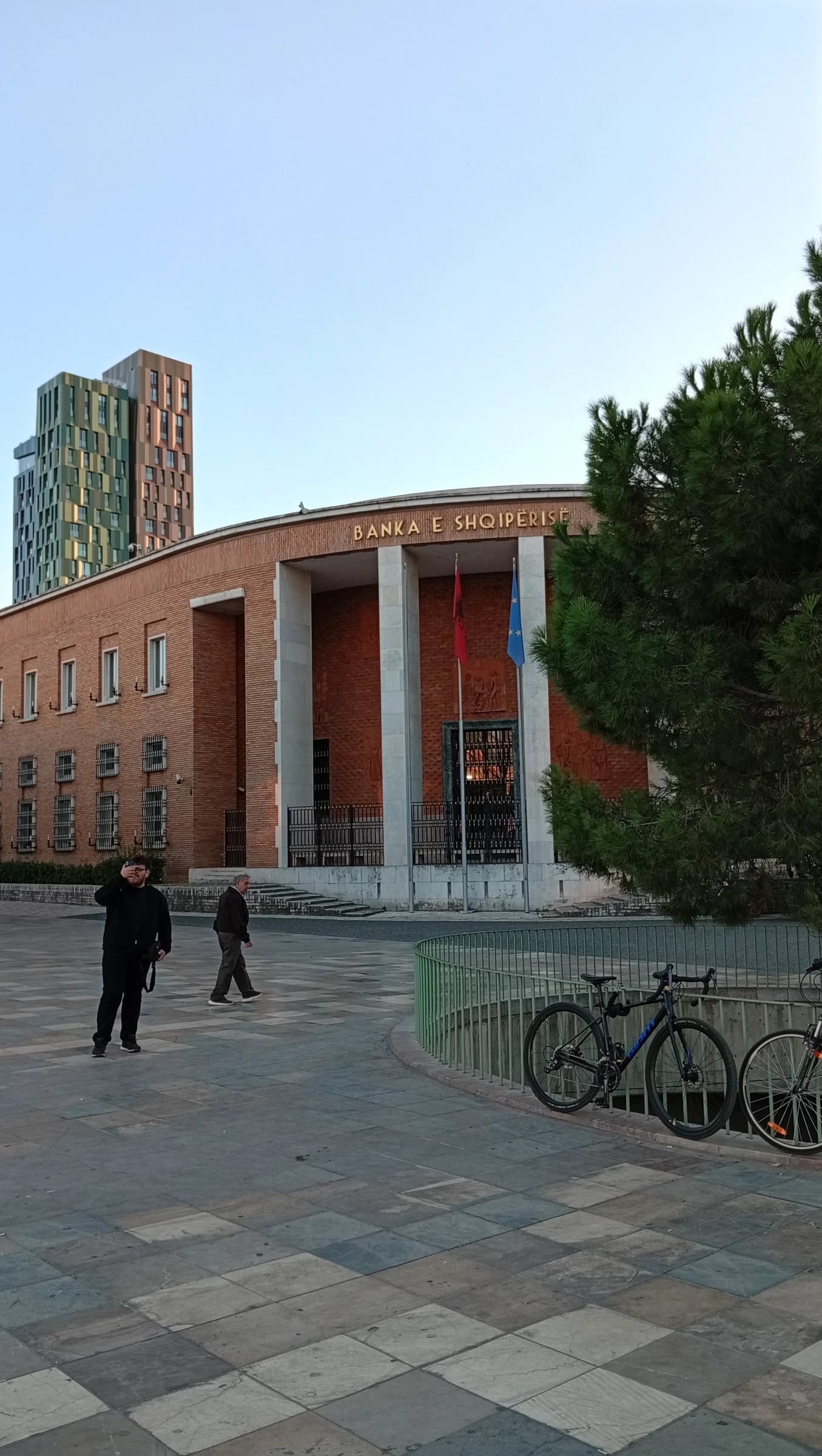
In Tirana, small businesses are increasingly offering card readers to tourists and other customers, but many are doing so at a markup to recoup bank charges — a sign that the country’s drive toward a more transparent, cash-light economy will only work if payment fees fall enough to make electronic transactions viable for merchants.
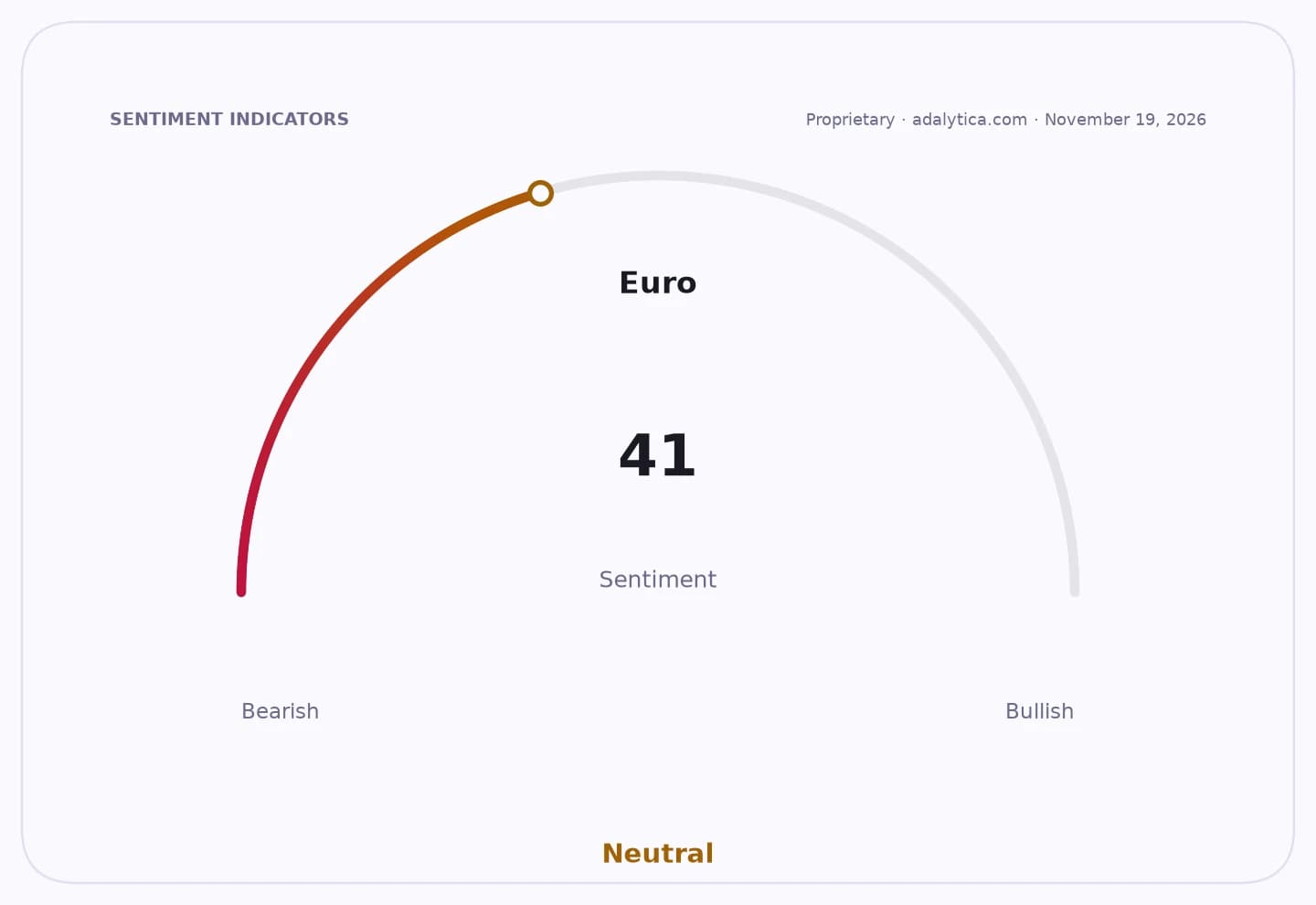
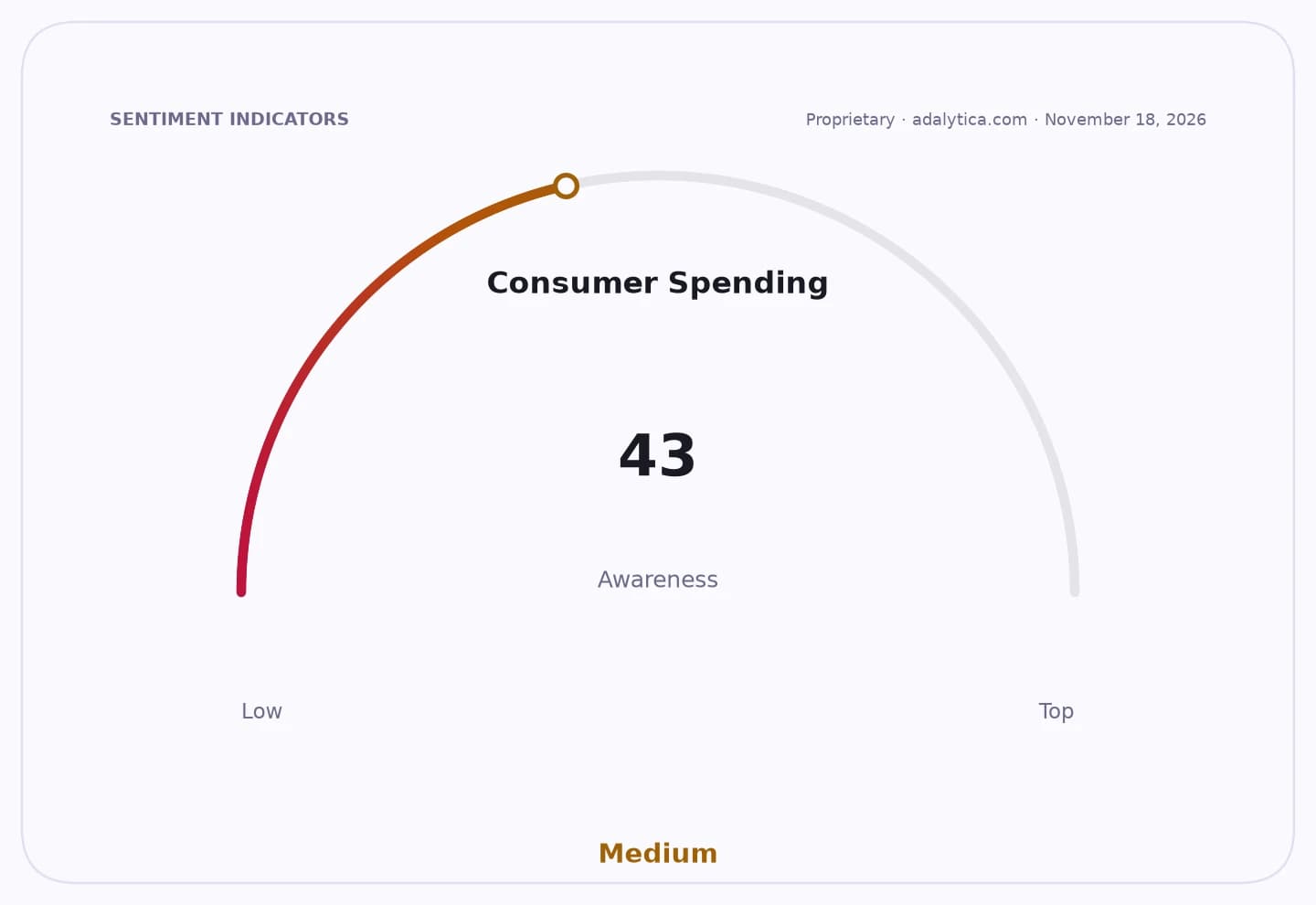
Sentiment Indicators
The issue goes well beyond a few ice cream shops. Albania has been trying to reduce a cash-heavy economy that complicates tax collection, keeps transactions opaque and discourages formal banking usage. But when a scoop of ice cream costs 100 lek in cash and 125 lek by card, the incentive structure is obvious: consumers pay more to go digital, while small retailers are left absorbing fees they say they cannot afford.
That makes bank pricing a central economic question, not just a convenience issue. For a country that wants to strengthen revenue collection and bring more commerce into the formal system, expensive payment rails slow adoption at the point of sale, especially among small merchants with thin margins and low bargaining power. If card acceptance becomes a penalty rather than a service, the transition away from cash will be partial at best.
For investors, the lesson is that financial inclusion stories often hinge on infrastructure economics, not slogans. Payment networks, acquiring banks and fintech providers can only expand usage if they can deliver lower merchant costs and simpler onboarding. If not, cash remains the default and the long-term addressable market for digital payments stays smaller than policymakers want.
The broader opportunity is still intact. Tourism is creating more demand for card acceptance, and that matters because foreign visitors are often the first users to force a shift in local payment habits. But unless banks and processors make card acceptance materially cheaper for small businesses, Albania’s crackdown on cash risks becoming a two-tier system: digital for tourists, cash for everyone else.
The market’s edge here lies in the enablers. The winning side is not the merchant forced to add a surcharge, but the payment platforms that can compress fees, scale acceptance and ride the formalization of commerce across the Balkans. That is the real investable theme: not cash itself, but the infrastructure that replaces it.
| Entity | Gains | Losses |
|---|---|---|
| Payment processors | ▲More card volume if fees fall | ▼Merchant resistance |
| Small merchants | ▲Tourist sales, broader acceptance | ▼Higher transaction costs |
| Albanian state | ▲Better tax visibility if digital payments grow | ▼Slower formalization |
| Cash users | ▲Price certainty | ▼Convenience of card-based spending |