The Dominican Republic’s tax authority has ruled out making neighborhood grocery stores adopt mandatory electronic invoicing, easing pressure on a large slice of the informal retail economy even as it pushes ahead with a broader digital tax overhaul.
Dominican Republic Exempts Colmados From E-Invoicing
Consumer Spending
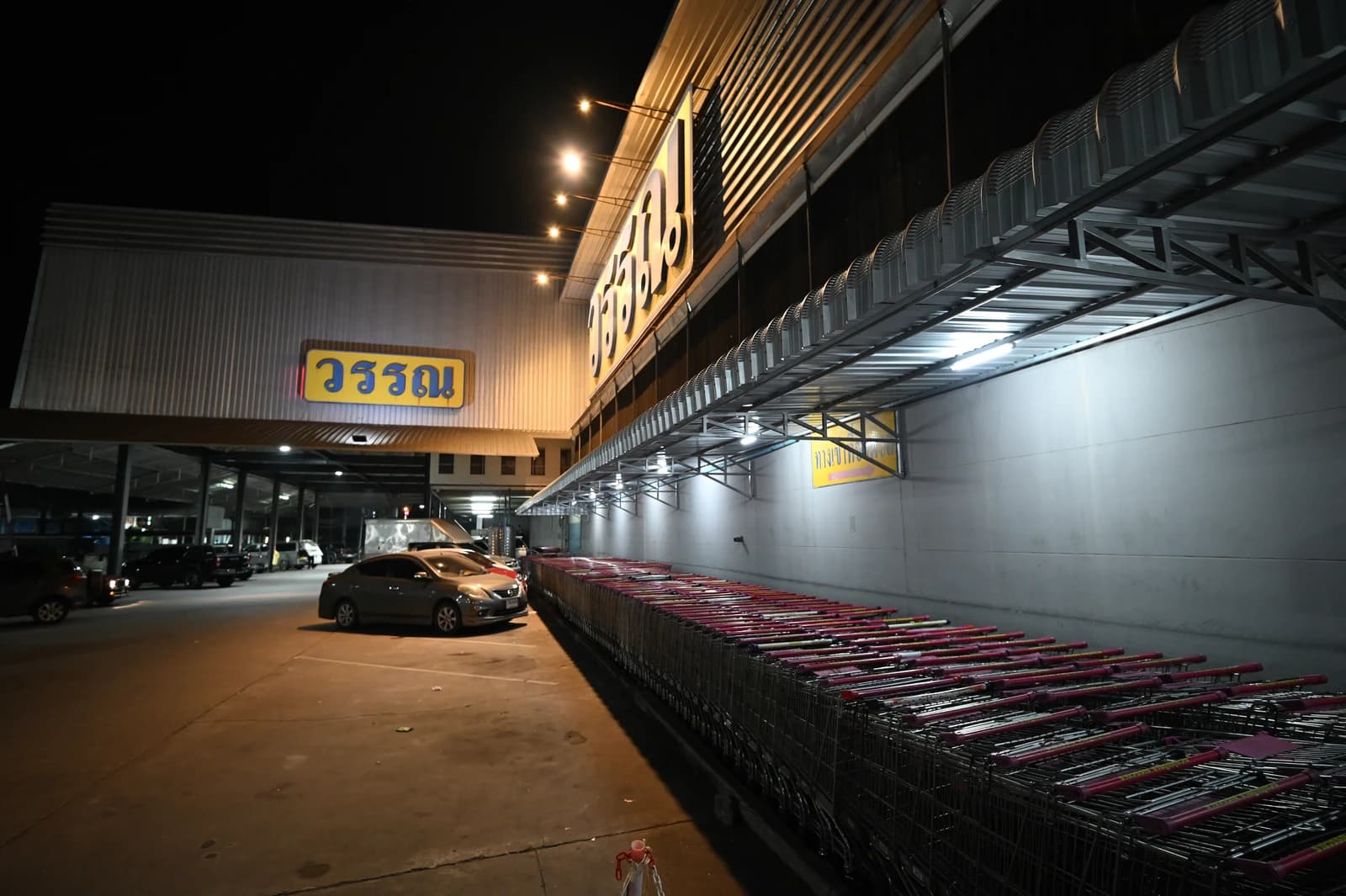
Director-general of the Dirección General de Impuestos Internos, Pedro Urrutia Sangiovanni, said colmados — the small corner stores that dominate many Dominican neighborhoods — will not be included in the compulsory rollout of the system, though they will still be expected to formalize operations and disclose sales to the tax office.
Sentiment Indicators
The decision matters because electronic billing is becoming a core tool in the DGII’s effort to tighten collection of value-added tax, known locally as ITBIS, and to reduce leakage from cash-heavy businesses. Urrutia said about 170,000 taxpayers are already in the system, suggesting the measure is moving from pilot phase toward broader enforcement, even if the government is carving out exemptions for the smallest merchants.
For policymakers, the exemption is a balancing act: widen the tax net without forcing compliance costs onto businesses that often operate on thin margins and low transaction values. Urrutia explicitly rejected the idea that the DGII was trying to force a formal receipt for every tiny sale, saying it would be unrealistic for a colmado to issue a fiscal invoice for “five pesos of onion.” Instead, he said these businesses can continue with simpler reporting, including end-of-day invoicing, as long as they declare daily sales.
That approach reduces the risk of backlash from micro-entrepreneurs and helps the government avoid over-engineering a reform that could have driven noncompliance. But it also leaves a large informal retail segment outside real-time electronic controls, limiting the immediate revenue gains from digitization. The trade-off underscores why tax modernization in emerging markets often advances unevenly: the biggest compliance wins come from large firms, while the smallest businesses are left to be brought in gradually.
For investors, the implications are indirect but relevant. A smoother, more targeted rollout lowers the risk of disruption in consumer retail and should support more predictable tax administration over time. It also matters for companies with exposure to Dominican consumer spending and payments infrastructure, because a wider formal economy typically improves traceability, reduces cash leakage and can gradually deepen digital transaction habits.
Still, the exemption tempers expectations for a fast, across-the-board boost in reported sales or tax collections from the smallest merchants. The bigger economic impact is likely to come from the government’s ability to enforce electronic billing among larger taxpayers first, where the revenue upside is greater and compliance costs are easier to absorb.
The DGII said it will announce the implementation date and the sectors covered on Nov. 30, after receiving instructions from the executive branch. The next step will show how aggressively the government intends to extend the system beyond the largest taxpayers and how much room it will give smaller businesses to formalize without fully digitizing their back-office operations.
| Entity | Gains | Losses |
|---|---|---|
| DGII / Dominican state | ▲Better ITBIS control | ▼Slower universal rollout |
| Large taxpayers | ▲Clearer compliance rules | ▼Higher reporting burden |
| Colmados | ▲Exemption from full e-billing | ▼Less room to remain informal |
| Consumers / retailers | ▲Less disruption at checkout | ▼Fewer immediate efficiency gains |