Water utilities in Albania are still struggling to keep up with costs, as electricity spending climbed to about 2.55 billion lek in 2025 and unpaid bills to the state power supplier continued to pile up, according to the country’s water regulator.
Albania water utilities face higher power costs
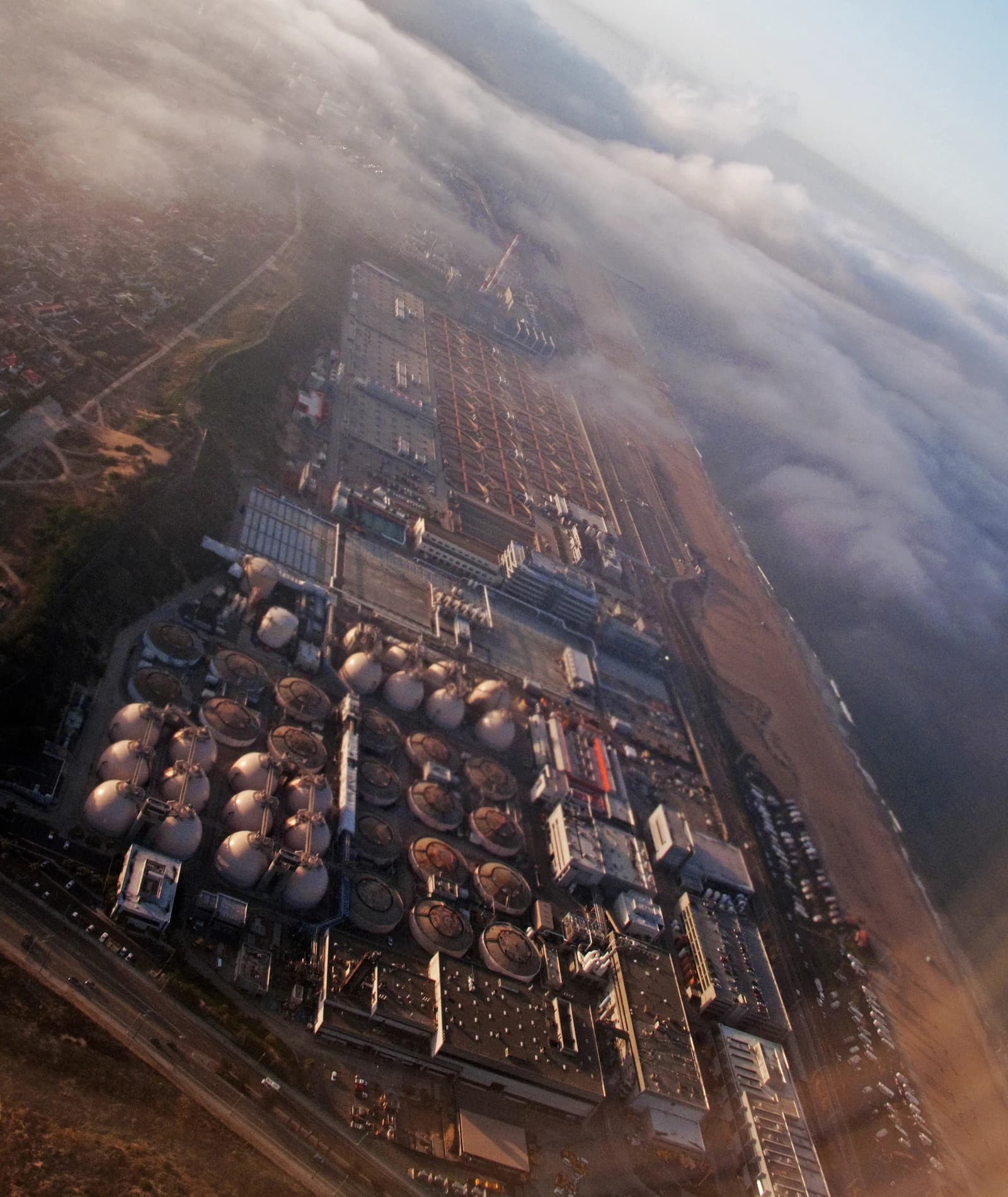
The figures matter because power is not a marginal expense for water companies: it accounts for about 24% of operating and maintenance costs across the sector, making electricity one of the biggest drains on already fragile balance sheets. Even after a year of improvement, the regulator said the sector’s operating-cost coverage reached 116.8% in 2025, but that still left nine of 17 operators, or 53%, unable to cover basic running costs.
For investors and creditors, the problem is not just higher costs but persistent cash leakage. The regulator said overdue liabilities to OSHEE, the electricity supplier, keep rising year after year despite central government subsidies, suggesting that financial support is not translating into lasting balance-sheet repair.
The strain is especially visible in the wide gap between better-performing utilities and the rest. The regulator said the sector needs tighter operating discipline, better staffing efficiency, lower electricity use and reduced water losses to stabilize finances over the long term.
That leaves the story centered on a familiar utility-sector risk: essential services with captive demand, but weak cost recovery and mounting debt. Until operators can cut energy intensity and raise revenue collection, the sector will remain exposed to rising power costs and recurring arrears.
| Entity | Gains | Losses |
|---|---|---|
| Efficient water operators | ▲Better cost recovery | ▼Less room for subsidies |
| OSHEE electricity supplier | ▲More claims outstanding | ▼Delayed payments |
| Albanian water users | ▲Potential service focus | ▼Higher tariff pressure |
| Government budget | ▲Pressure to reform utilities | ▼More subsidy burdens |

