Malaysia’s push to deepen digital and financial links with China has put Alibaba Group back in the spotlight as Prime Minister Anwar Ibrahim visits Shanghai and Hangzhou, with back-to-back meetings that could shape future cooperation on small-business digitization, fintech and artificial intelligence.
Alibaba, Malaysia deepen digital and fintech ties
The most economically significant development is not the optics of a high-level visit, but the concentration of policy, banking and corporate actors around a sector that directly affects productivity for Malaysia’s micro, small and medium enterprises. Anwar’s itinerary includes a strategy event involving Malaysia’s Bank Rakyat, Alibaba and Lenovo in Shanghai, followed by a one-on-one business meeting with Alibaba in Hangzhou, even without a formal headquarters visit. That sequencing suggests Malaysia wants to turn the long-running relationship with Chinese tech groups into more concrete commercial and ecosystem projects.
For Malaysia, the logic is straightforward. MSMEs make up the bulk of businesses and employment, but often lag on digital tools, cloud adoption and cross-border sales. Partnerships that improve access to e-commerce, fintech infrastructure and AI-enabled services can lift efficiency, broaden market access and lower the cost of doing business. For China’s firms, Malaysia offers a practical Southeast Asian base with policy support and an established track record of collaboration.
Alibaba’s role in that story is especially important because the company already has a structural presence in Malaysia. The country was Alibaba’s first overseas eWTP hub, and the group opened a national office in Kuala Lumpur in 2018. Its broader ecosystem, including Ant Group and Ant International, has also expanded in Malaysia over recent years, with Ant International saying its Kuala Lumpur development center has grown to about 1,500 staff, more than half in technology-related functions. That scale points to Malaysia being more than a sales market; it is becoming part of the regional buildout for product development, risk management and digital-commerce operations.
The market relevance extends beyond Malaysia. Beijing-backed private-sector champions are increasingly competing to embed themselves in Southeast Asia’s digital infrastructure at a time when regional governments want investment without surrendering strategic autonomy. Malaysia is pursuing that balance by pairing infrastructure cooperation, including the East Coast Rail Link extension, with tech and financial partnerships. The result is a broader bilateral narrative: physical connectivity on one side, and digital and financial connectivity on the other.
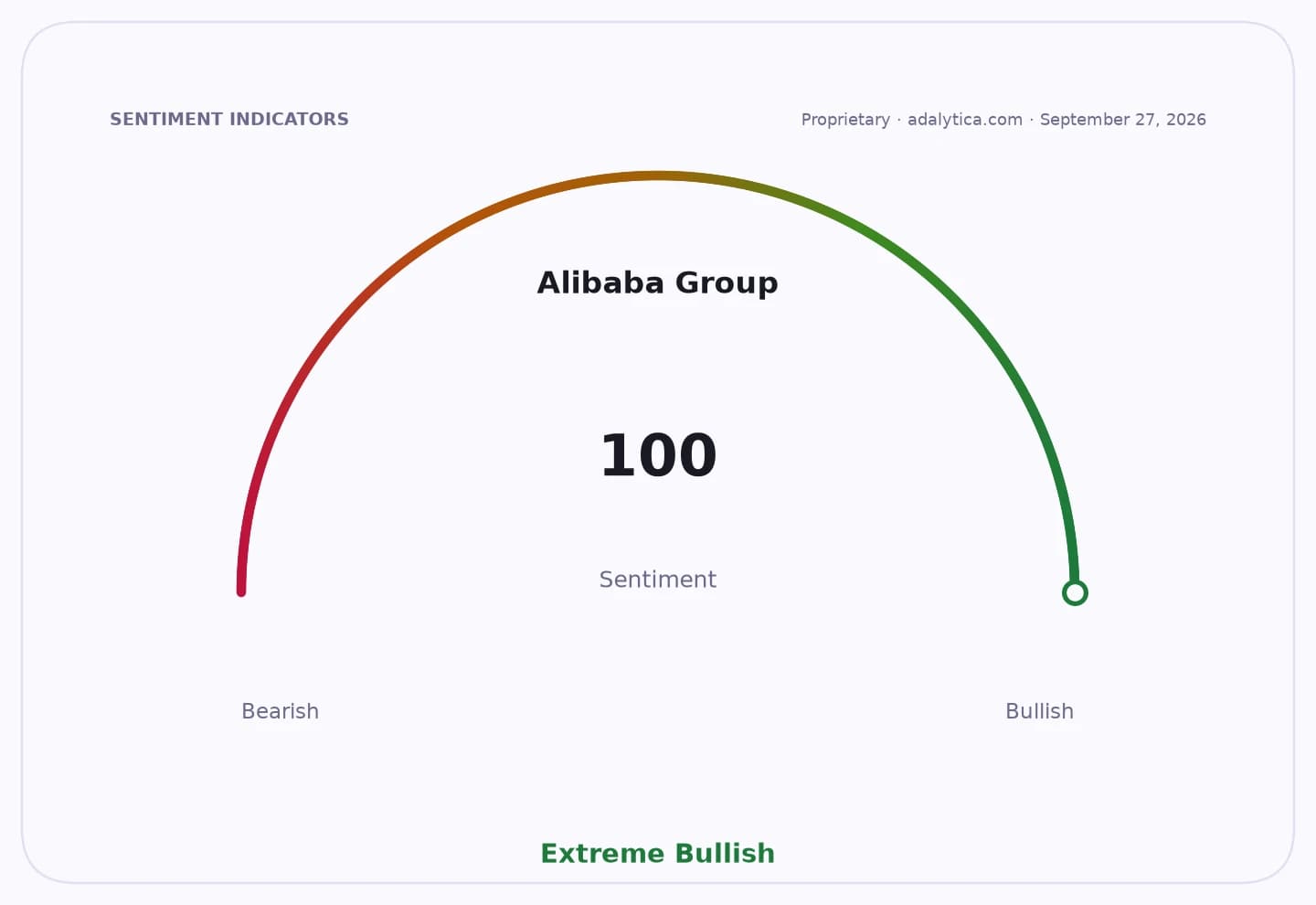
For investors, the question is whether these ties translate into revenue growth, operating leverage and a more stable policy environment for Chinese tech names with Southeast Asia exposure. Alibaba and its affiliates have been under pressure to show that overseas expansion can support growth as domestic competition in China remains intense. A deeper Malaysian footprint could help Alibaba strengthen merchant ecosystems, cloud adoption and cross-border trade services. Ant International, meanwhile, stands to benefit if Malaysia remains open to fintech experimentation and SME-focused financial products.
The bear case is that these announcements remain aspirational. Government visits often produce familiar language about cooperation, AI and MSME development without immediate contract wins or spending commitments. Regulatory frictions, data governance questions and execution risk can also slow the conversion of diplomatic warmth into commercial returns. In that sense, investors will be watching for actual product launches, financing programs, cloud partnerships or trade-enablement initiatives rather than headline symbolism.
Still, the direction of travel is clear. Malaysia is using China ties to accelerate digitalization and foreign technology transfer, while Alibaba and its ecosystem are using Malaysia as a foothold for Southeast Asian expansion. If the talks in Shanghai and Hangzhou lead to deeper collaboration, the benefits would likely accrue first to Malaysia’s small-business ecosystem and to Chinese platform companies with the scale to serve it.
| Entity | Gains | Losses |
|---|---|---|
| Malaysia MSMEs | ▲Cheaper digital tools | ▼Legacy operating models |
| Alibaba / Ant International | ▲Southeast Asia expansion | ▼Purely domestic growth thesis |
| Bank Rakyat | ▲New fintech partnerships | ▼Slow-moving traditional workflows |
| Regional rivals | ▲Less room in Malaysia | ▼Alibaba-led ecosystem integration |