Alibaba is moving from AI software to AI hardware in a way that could reshape how investors think about its long-term growth, with the company launching Qwen N1 AI glasses in China at a starting price of about $450.
Alibaba Launches Qwen N1 AI Glasses in China
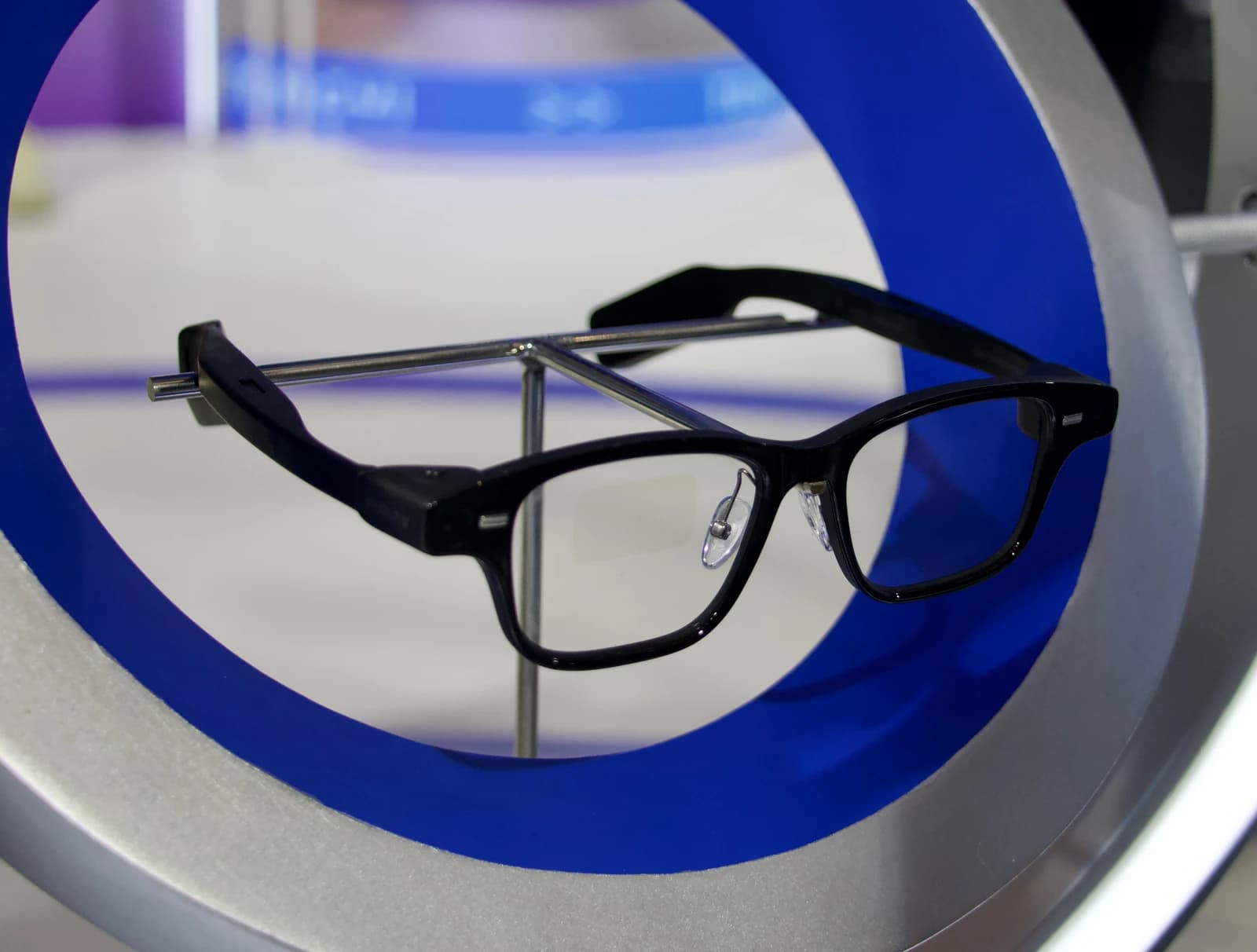
That matters because wearables are one of the few consumer form factors where AI can become sticky enough to support recurring engagement, data collection and eventually commerce. If Alibaba can make the glasses useful for shopping, translation, navigation and assistant-style tasks, it adds another entry point into a user’s daily life beyond the app and browser. For a company still trading well below its recent highs, that is the kind of product move that can widen the story from e-commerce recovery to a broader AI ecosystem.
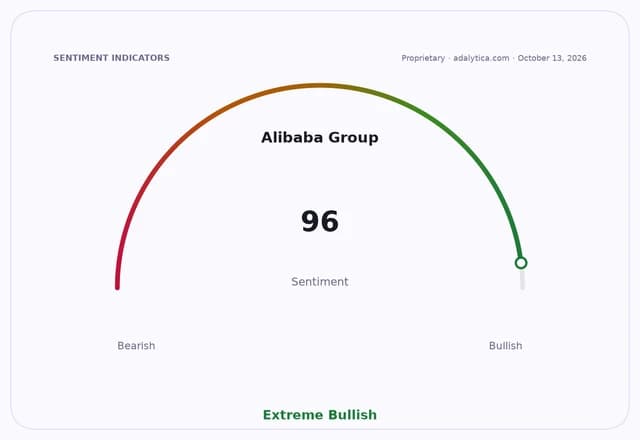
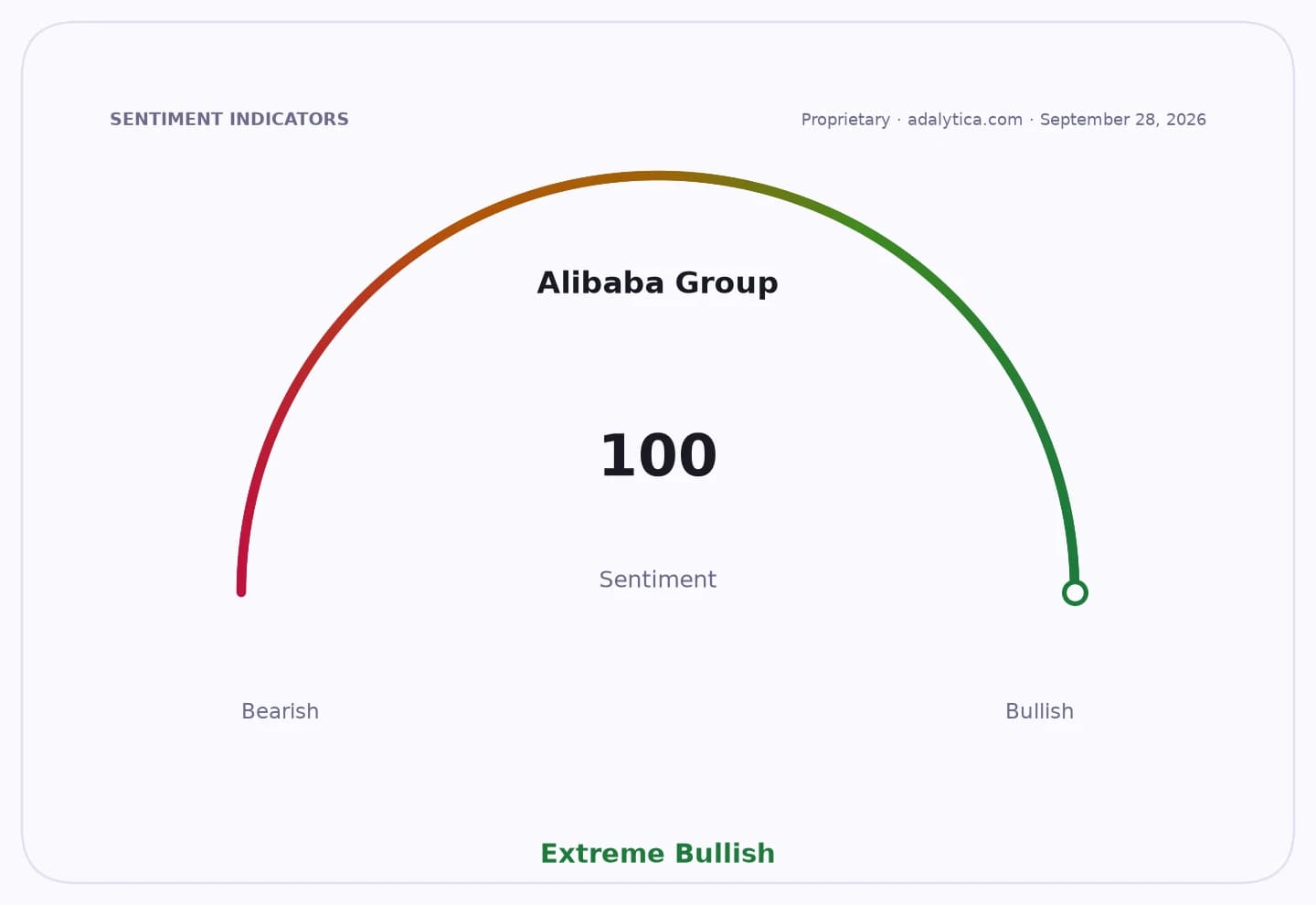
The timing is important too. Alibaba’s shares have been volatile, but the stock has recently shown far more momentum than it did earlier in the year, and technical indicators such as the 50-day moving average and RSI readings suggest investors have been re-engaging after a weak stretch. Adalytica’s Alibaba earnings sentiment gauge is also sitting at an “Extreme Greed” reading, reflecting how quickly enthusiasm has built around the company’s AI initiatives. When sentiment gets this hot, execution starts to matter more than promises.
Alibaba is not alone in chasing AI glasses. The market is becoming a real contest for the next computing platform, and the loser may be whoever assumes phones will remain the only meaningful gateway to AI. Apple, meanwhile, remains the benchmark for consumer hardware and ecosystem control, and any credible AI device from Alibaba raises the competitive pressure in China’s consumer-tech market. Sony’s steadier share performance underscores a broader point: investors are rewarding companies that can tie technology investments to durable product demand, not just headlines.
For Alibaba, the upside case is straightforward. If Qwen N1 gains traction, it could deepen customer loyalty, create a new hardware funnel for its services and strengthen its position in China’s fast-moving AI race. The risk is just as clear: consumer hardware is unforgiving, and a $450 price tag puts these glasses in a premium segment where usefulness must be obvious from day one.
Still, this is the kind of move long-term investors should watch closely. AI is no longer just a cloud or chatbot story; it is becoming a devices story, and Alibaba wants a seat at that table. If the glasses work, the payoff could extend well beyond a single product launch. For investors, that makes Alibaba worth keeping on the watchlist as a potential multi-year compounder.
| Entity | Gains | Losses |
|---|---|---|
| Alibaba | ▲New AI hardware channel | ▼Product execution risk |
| Chinese consumers | ▲More AI device options | ▼Premium pricing |
| Apple | ▲Validates AI wearables category | ▼Greater competition in China |
| Existing smartphone-only platforms | ▲Slower gateway to users | ▼Share of daily engagement |