Alstom’s warning that delayed train deliveries in Germany will derail its profit targets sent its shares tumbling 27%, underscoring how execution risks in rail manufacturing can quickly overwhelm a still-healthy order book.
Alstom warns on German train delivery delays
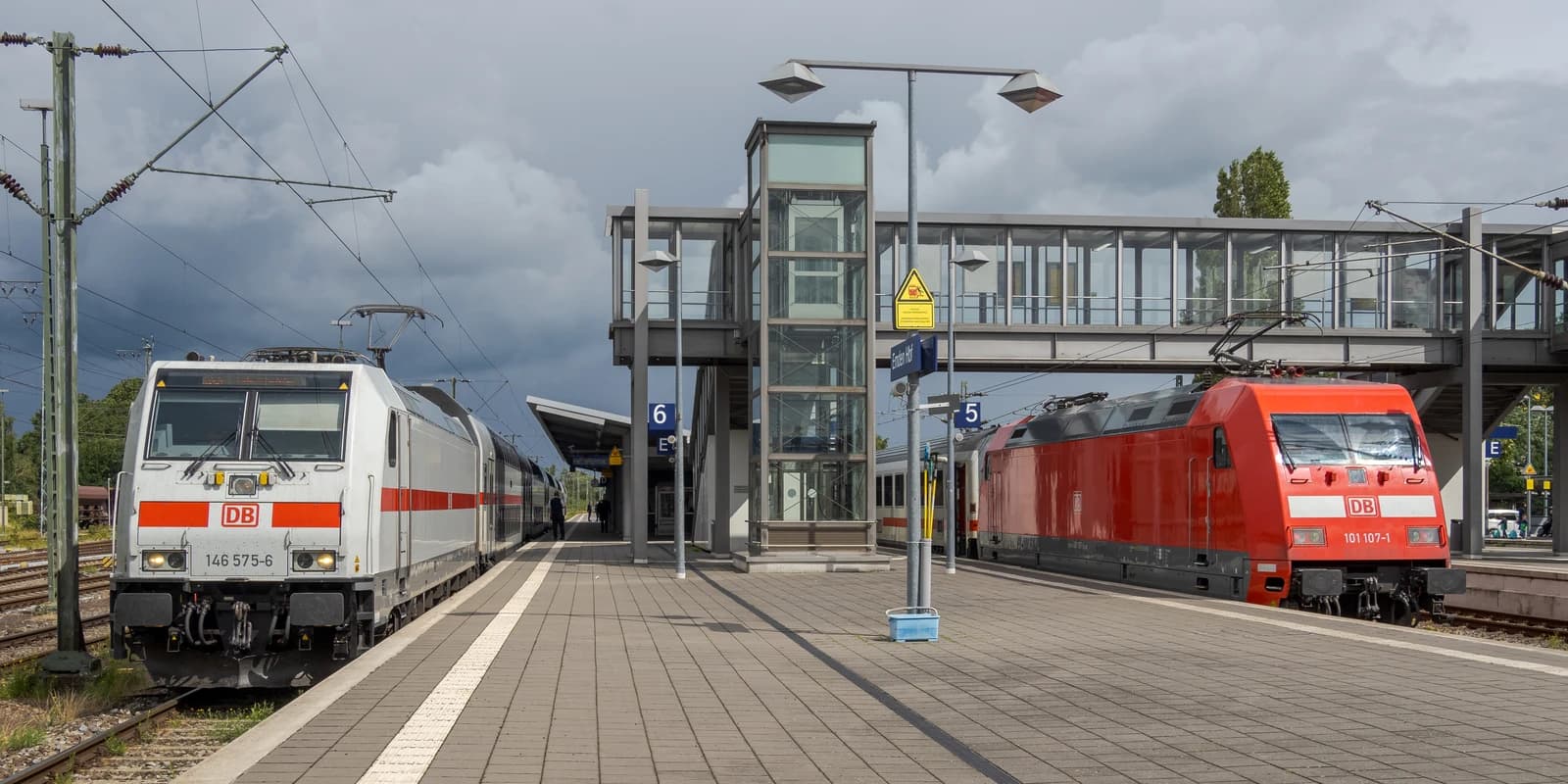
The French train maker said on Monday that industrialisation problems and a longer-than-expected certification process for its Coradia Max regional trains are hitting margins and output, just two weeks before it is due to publish first-half results for its 2026-27 fiscal year. For a company that has been trying to prove it can translate strong demand into steady cash generation, the admission is a sharp setback.
Sentiment Indicators
Alstom now expects an operating margin of minus 4% for April-to-September, far below the plus 6.4% it had previously guided to, according to French media reports cited in the warning. Production is estimated at 1,800 rail cars, down 8% from a year earlier, even as sales are seen rising 9% and the order book remains full at about 11 billion euros.
The market reaction reflects more than one bad half-year. Investors have long treated Alstom as a beneficiary of Europe’s push to upgrade rail fleets, but the latest warning suggests the bottleneck is no longer demand. It is execution. When a manufacturer is unable to deliver units on time and at the expected cost, revenue can rise while profitability collapses, squeezing margins and forcing investors to reassess earnings quality.
The Coradia Max programme is central to that concern. The regional electric trains have been ordered by German states since 2021, with 208 trainsets and 850 rail cars contracted through 2023, and Alstom added another deal in January with Baden-Württemberg for 26 double-deck trains on top of 130 previously agreed. Germany is one of the company’s most important European markets, so any setback there has outsized implications for both near-term earnings and future contract credibility.
There is also a broader sector message. Rail makers are being asked to ramp up production after years of infrastructure underinvestment in Europe, but that growth only pays off if suppliers can scale industrially and pass certification hurdles without delay. Alstom’s warning shows how quickly a large backlog can turn from an asset into a liability if working capital rises, schedules slip and fixed costs cannot be absorbed.
For investors, the near-term question is whether this is a one-off programme issue or evidence of wider operational strain. The bull case is that demand remains intact, the order book is still strong and revenue is growing. The bear case is that the company has again exposed weak control over complex programmes, raising the risk of further margin pressure, delayed cash conversion and another reset to guidance.
That leaves Alstom’s next results as a key test. Management will need to show that the Coradia Max problems are contained, that German deliveries can normalise and that margins can recover fast enough to protect the investment case. Until then, the stock’s sharp drop suggests the market is less concerned about rail demand than about Alstom’s ability to turn it into profit.
| Entity | Gains | Losses |
|---|---|---|
| Alstom competitors | ▲Market share opportunity | ▼None directly |
| German regional operators | ▲Future delivery focus | ▼Delayed fleet upgrades |
| Alstom shareholders | ▲None immediate | ▼Margin reset, stock slump |
| Rail suppliers with capacity | ▲More outsourcing demand | ▼If delays trigger cost cuts |