Amazon is hurtling toward one of the biggest capital-spending stretches in corporate history, and that matters because the company is effectively betting that its AI infrastructure buildout will translate into years of faster cloud growth, deeper customer lock-in and larger profits later on.
Amazon capital spending surge on AWS AI buildout
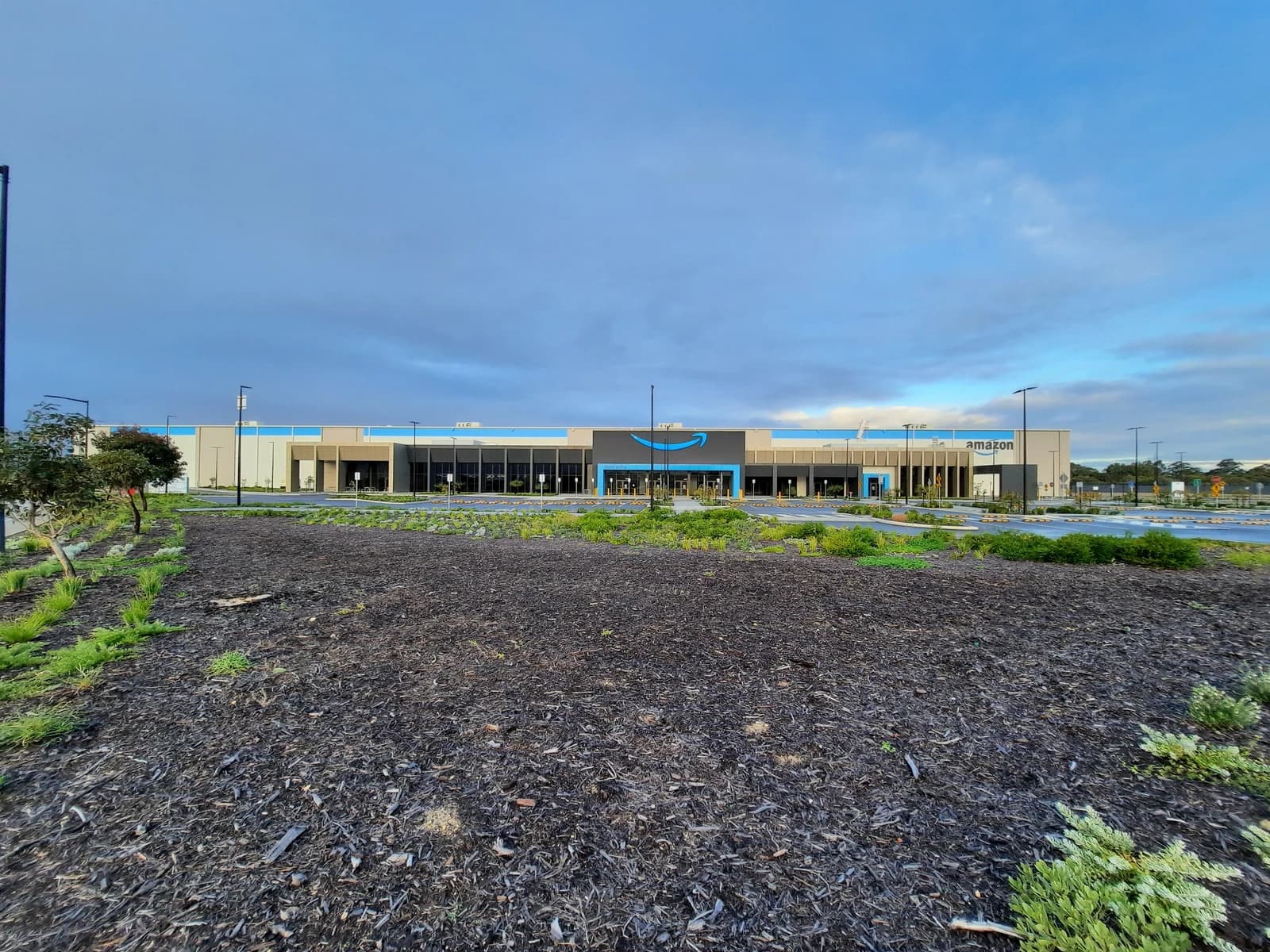
JPMorgan’s Doug Anmuth said Amazon’s capital expenditures could reach $395 billion in 2027 and $476 billion in 2028, after CEO Andy Jassy said the company would spend “meaningfully more” next year than the roughly $220 billion it expects in 2026. If those numbers prove close to right, Amazon would be committing close to $500 billion in a single year within just a few years — a scale of investment that dwarfs nearly everything else in corporate America and helps explain why investors are recalibrating their expectations for free cash flow.
Sentiment Indicators
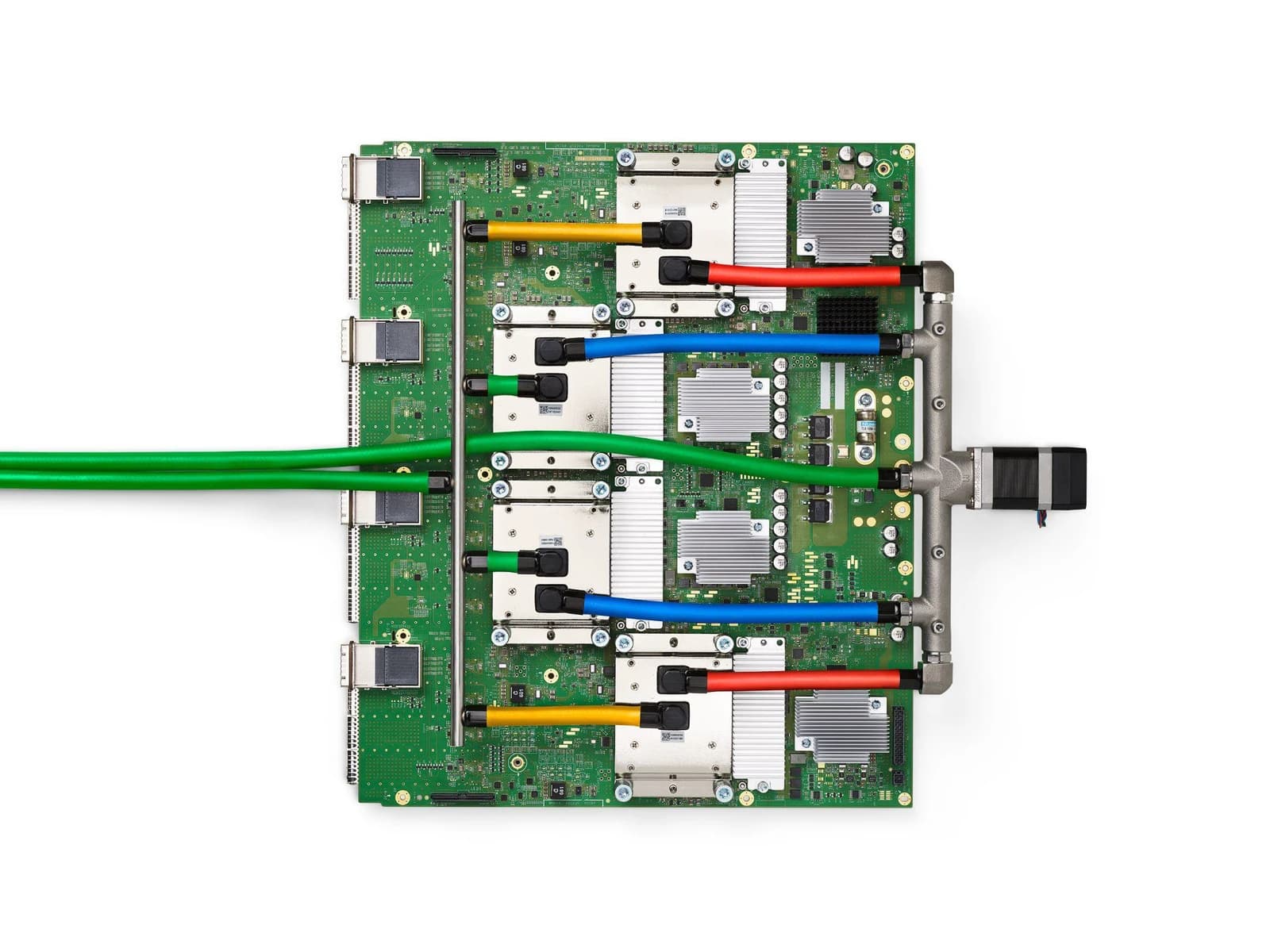
That recalibration is already visible. Amazon’s trailing 12-month free cash flow swung to an outflow of $42.4 billion, from an inflow of $14.8 billion a year earlier, as purchases of property and equipment jumped by $94.8 billion. The company says most of that spending is going into technology infrastructure to support AWS, which is exactly where the long-term upside sits. Cloud computing is still the backbone of enterprise AI, and Amazon is trying to ensure it has enough data-center capacity, chips, power and networking to meet demand before rivals can.
For long-term investors, the key question is not whether the spending looks large — it plainly does — but whether Amazon can turn that scale into a durable earnings advantage. So far, the market has been willing to give the company some room: the stock has still risen about 9% this year, even after a post-earnings wobble, though it has lagged the S&P 500’s 11% gain. The recent bounce suggests investors are beginning to treat the spending surge less as a margin shock and more as a prerequisite for staying competitive in AI.
The same logic is showing up across the megacap cloud complex. Microsoft and Alphabet are also pouring billions into technical infrastructure, a reminder that the AI race is as much about capacity as software. In that environment, the winners are likely to be the companies with the deepest balance sheets and the strongest cloud franchises — and Amazon remains one of the best-positioned.
The risk, of course, is that the payback arrives more slowly than the checkbook keeps opening. Heavy capital intensity can suppress free cash flow for several quarters, even years, and if AI demand does not keep pace with infrastructure supply, returns could disappoint. But for investors with a multiyear horizon, Amazon’s spending spree looks less like a warning sign than a statement of intent: the company is building the rails for the next phase of cloud computing, and that is exactly the kind of move that can compound value over time.
| Entity | Gains | Losses |
|---|---|---|
| Amazon | ▲AWS capacity and AI leadership | ▼Near-term free cash flow |
| AI customers | ▲More cloud compute and services | ▼Potentially higher pricing later |
| Microsoft and Alphabet | ▲Validation of cloud-AI demand | ▼Pressure to keep matching capex |
| Short-term shareholders | ▲Possible volatility to buy into | ▼Margin and cash-flow pressure |