Amazon is heading into its Oct. 29 third-quarter report with its stock near record territory, but investors are now focused less on another seasonal pop and more on whether its massive AI and cloud spending can keep translating into profit.
Amazon Earnings Near Record on AI Spending Questions

The shares closed at $262.63 on Oct. 20, up from $250.00 four days earlier, and sit well above the 50-day moving average of $256.53 and the 200-day moving average of $243.07. That technical backdrop reflects improving momentum ahead of earnings, but it also comes after a volatile year that saw the stock fall as low as $210.11 in February before rebounding sharply.
Sentiment IndicatorsⓘProprietary · adalytica.com · October 21, 2026
This is a snapshot — live sentiment, awareness and momentum for 130+ markets update continuously in the dashboard.Open AlphaPulse
What matters most is not the near-term chart pattern, but the scale of Amazon’s capital commitments. The company has pledged $220 billion of capital expenditures this year, a level that has raised questions about free cash flow and how much more the market will tolerate before demanding a clearer payoff from its AI buildout.
The investment case still rests on AWS, which remains the company’s earnings engine even as e-commerce provides steadier top-line support. In the latest quarter, AWS accounted for just 21% of revenue but delivered the majority of operating income, with revenue up 37% year over year, and Amazon’s cloud margins reached 39%, underscoring why investors view the business as central to the stock’s valuation.
That profitability is why Amazon continues to look expensive in name only. A $53.4 billion pre-tax gain tied to its Anthropic stake lowered trailing earnings multiples, but the more relevant forward price-to-earnings ratio of 31 is still well below the levels Amazon regularly commanded when it traded above 50 times earnings.
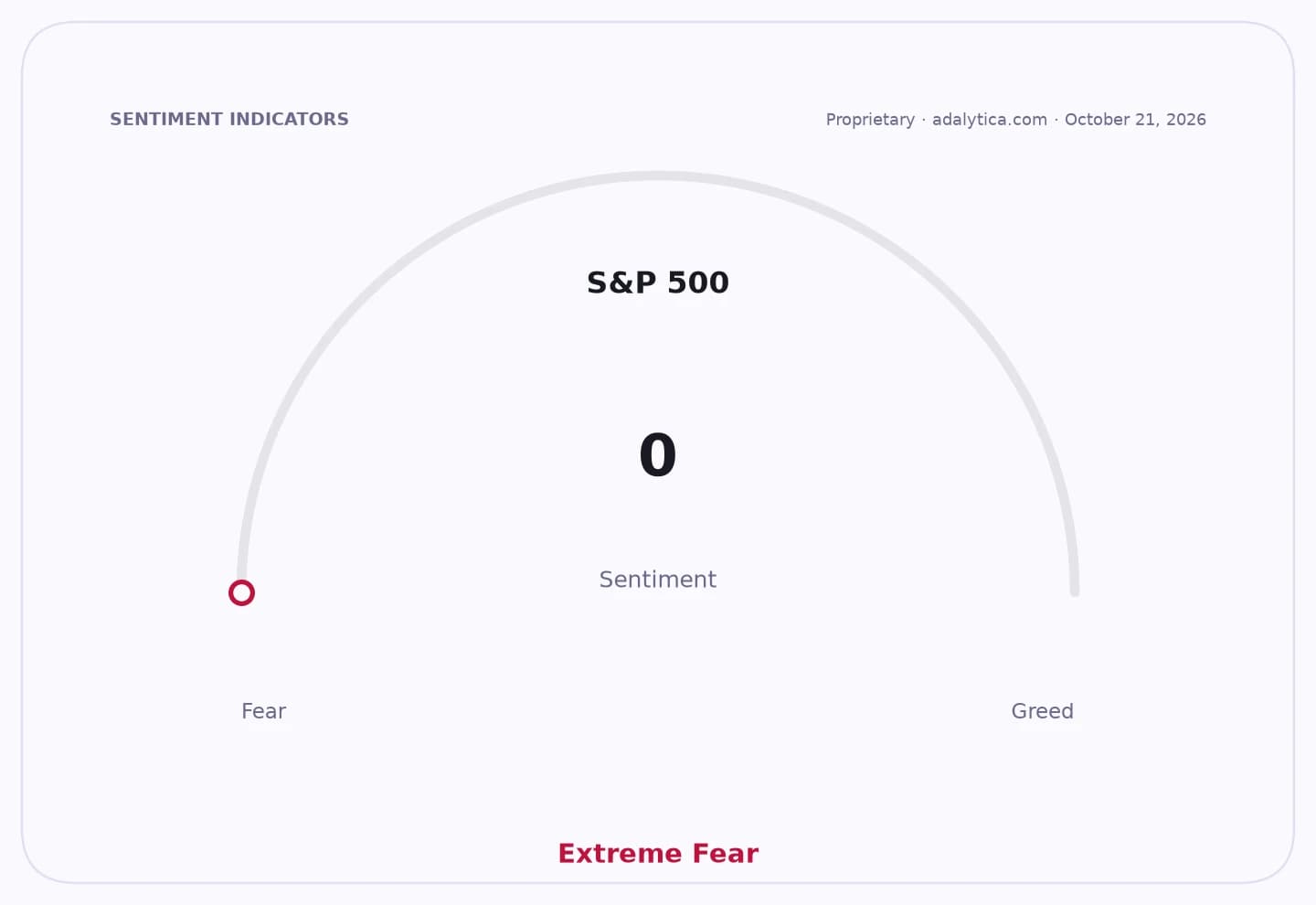
The backdrop for the broader market is also relevant. Adalytica’s S&P 500 trade signals show extreme fear, while consumer spending sentiment is also in extreme fear territory, suggesting investors are approaching the reporting season with caution even as retail-goods spending sentiment remains in greed. That mix could amplify the move in Amazon shares if the company beats expectations, or punish the stock if capex and cloud margins disappoint.
For investors, the Oct. 29 report is a test of whether Amazon can keep funding AI infrastructure aggressively without losing control of returns. If AWS growth and margins hold, the stock’s recent strength could extend; if not, the market is likely to press harder on how quickly the company can turn a record spending program into earnings.
| Entity | Gains | Losses |
|---|---|---|
| Amazon bulls | ▲Earnings upside and AWS leverage | ▼Higher capex risk if returns lag |
| Amazon bears | ▲Any guide-down on spending or margins | ▼Stock momentum if AWS beats again |
| AI infrastructure suppliers | ▲Demand from Amazon buildout | ▼Pricing pressure if Amazon slows orders |
| Long-term shareholders | ▲Cloud growth and valuation support | ▼Near-term free cash flow strain |