Amazon’s shares have climbed 493% over the past decade, turning a $10,000 investment into more than $59,300, and the bigger story for investors is that the company is still finding ways to grow even at its massive scale.
Amazon growth drivers: AWS, ads and retail scale

That growth matters because Amazon is no longer just a retail story. It generated $201 billion in net sales in the second quarter, up 560% from the same period in 2016, underscoring how cloud computing, digital advertising and marketplace scale have kept revenue expanding long after the company became one of the world’s largest.
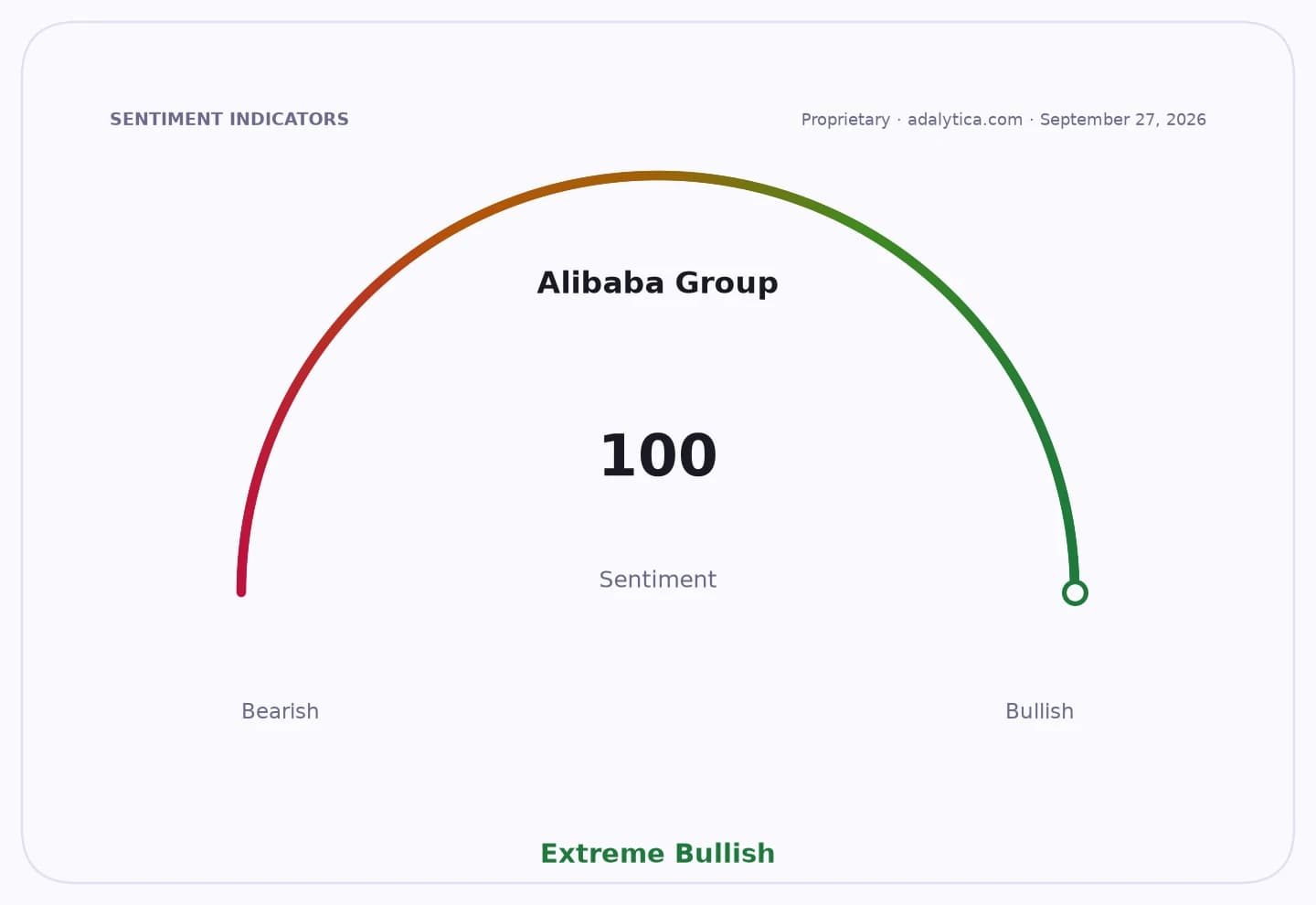
Sentiment IndicatorsⓘProprietary · adalytica.com · October 5, 2026
This is a snapshot — live sentiment, awareness and momentum for 130+ markets update continuously in the dashboard.Open AlphaPulse
The company’s core businesses still provide the engine. More than 40% of U.S. e-commerce sales flow through Amazon’s marketplace, while advertising revenue reached $19.8 billion in the latest quarter, up 26% year over year. AWS remains the world’s No. 1 cloud infrastructure provider, and its recurring demand has helped justify Amazon’s premium valuation despite ongoing spending on logistics and technology.
That spending is also part of the investment case. Amazon has been pushing deeper into fulfillment and delivery capacity ahead of the holiday season, including a broad hiring plan for seasonal workers, which supports faster delivery times and broader geographic reach. The company has also kept investing heavily in technology infrastructure, much of it tied to AWS growth, even as operating expenses rise.
For investors, the message is that Amazon’s long-term appeal rests on multiple growth levers rather than one cyclical bet. The stock has already delivered an outsized decade-long return, but with the shares still trading above key long-term technical levels including the 200-day moving average, the market continues to assign value to Amazon’s ability to monetize scale across retail, ads and cloud.
The risk, as always, is that those returns will be harder to repeat from here. But with holiday demand approaching, AWS still expanding and advertising growing quickly, Amazon remains a core large-cap growth name rather than a mature retailer.
| Entity | Gains | Losses |
|---|---|---|
| Amazon | ▲Revenue growth, scale, investor support | ▼Margin pressure from heavy capex |
| AWS | ▲Cloud demand, infrastructure spending | ▼Slower enterprise growth cycles |
| Shareholders | ▲Long-term compounding, multiple growth drivers | ▼Harder future comparisons |
| Smaller retailers | ▲N/A | ▼Market share to Amazon marketplace |