Alibaba Cloud is widening its global footprint and pushing out new AI products as it tries to turn enterprise demand for generative AI from pilot projects into paid, production-scale workloads.
Alibaba Cloud expands AI regions and tools
That matters because the next phase of the AI buildout is no longer just about training flashy models. It is about where the computing sits, how quickly it runs, how securely companies can use it, and whether the software saves enough money to justify ongoing spending. By adding cloud regions in Türkiye, Finland and the Netherlands over the next 12 months, while expanding capacity in Malaysia, Germany, the United Arab Emirates, France and Hong Kong, Alibaba Cloud is making a straightforward commercial bet: the closer its infrastructure is to customers, the easier it becomes to win enterprise workloads that need low latency, local data handling and predictable performance.
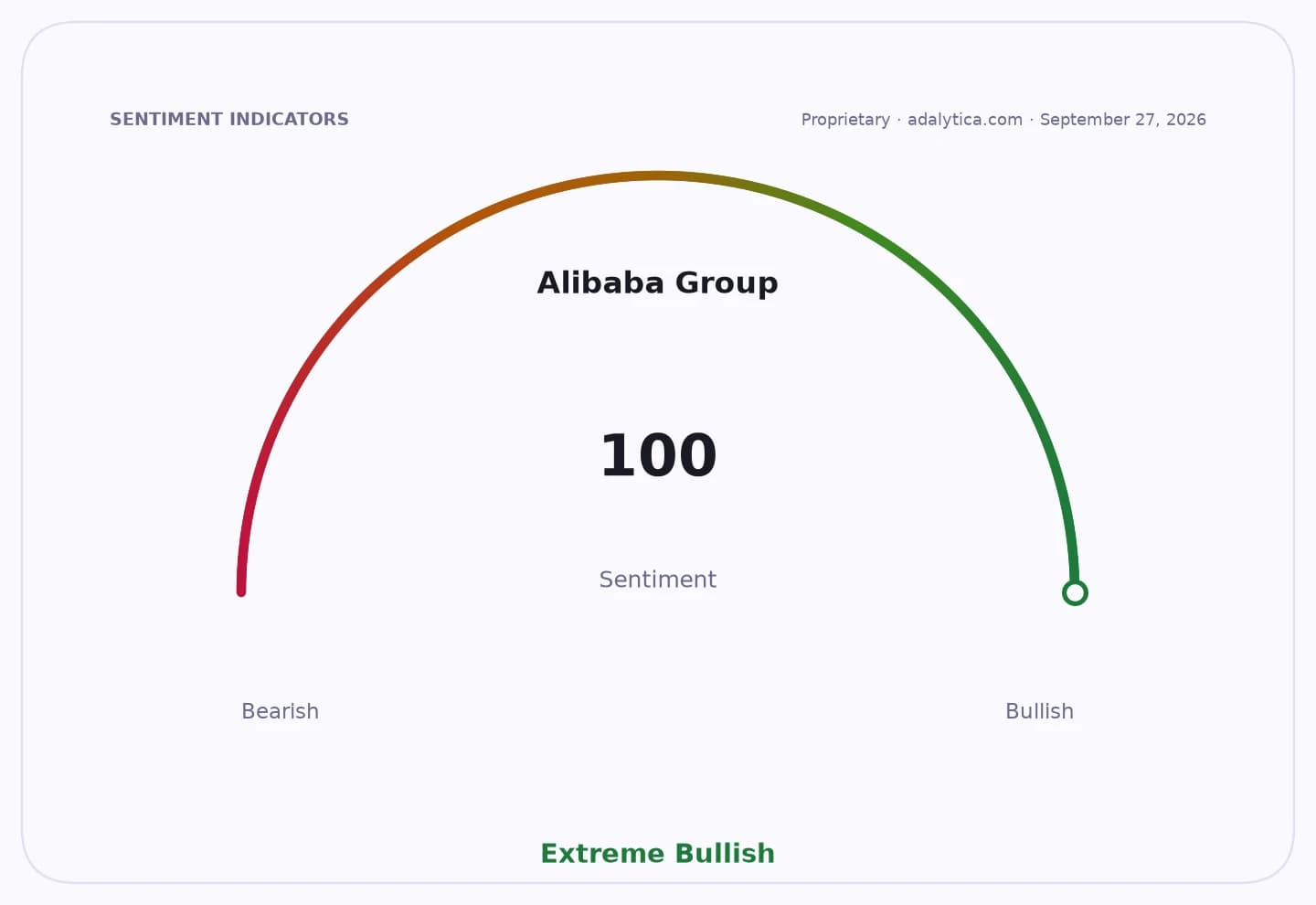
Sentiment IndicatorsⓘProprietary · adalytica.com · September 27, 2026
This is a snapshot — live sentiment, awareness and momentum for 130+ markets update continuously in the dashboard.Open AlphaPulse
For Alibaba Group, the move is strategically important. The cloud unit already operates 107 availability zones in 31 regions, but this latest expansion shows it wants to compete not just on model quality, but on the full stack needed to deploy AI at scale. That includes infrastructure, model access and application tools. The company’s new offerings — Smart Studio, Smart Fusion and Smart Video — are meant to shorten the path from experimentation to monetization, whether a customer is building a model marketplace, routing workloads across multiple models, or generating video content for advertising and short-form entertainment.
The economics of that pitch are easy to understand. Enterprises are under pressure to lower the cost of AI adoption, not just prove the technology works. Alibaba says Smart Fusion can cut token spending by around 50% by selecting the most suitable model for each task, while Smart Studio’s inference architecture can deliver up to 505% higher throughput than standard open-source frameworks on the same hardware. Those are the kinds of numbers that can change procurement decisions, because they speak directly to cloud budgets, operating leverage and the all-important question of return on investment.
The customer examples reinforce that this is not just a software demo. Panasonic Digital said it cut documentation time by 80% and improved contract review efficiency tenfold using Alibaba Cloud tools. Lion Parcel is using Qwen-VL-Plus to automate finance and document processing. Unity China is tapping Alibaba’s Model Studio and Qwen models to streamline game development workflows. Loomi Entertainment Group is using Alibaba’s visual generation tools to build AI content pipelines, and AnyMind Group is adding Qwen to improve live-commerce responses across Asian languages.
That mix is important for investors because it shows where Alibaba’s cloud business may find its best growth: not in one giant headline customer, but across a broad base of industrial, logistics, gaming, media and commerce users. If AI becomes embedded in day-to-day operations, spending can become more recurring and less experimental. That is the kind of shift that can improve cloud revenue visibility over time and strengthen Alibaba’s competitive position against rivals that are also chasing enterprise AI demand.
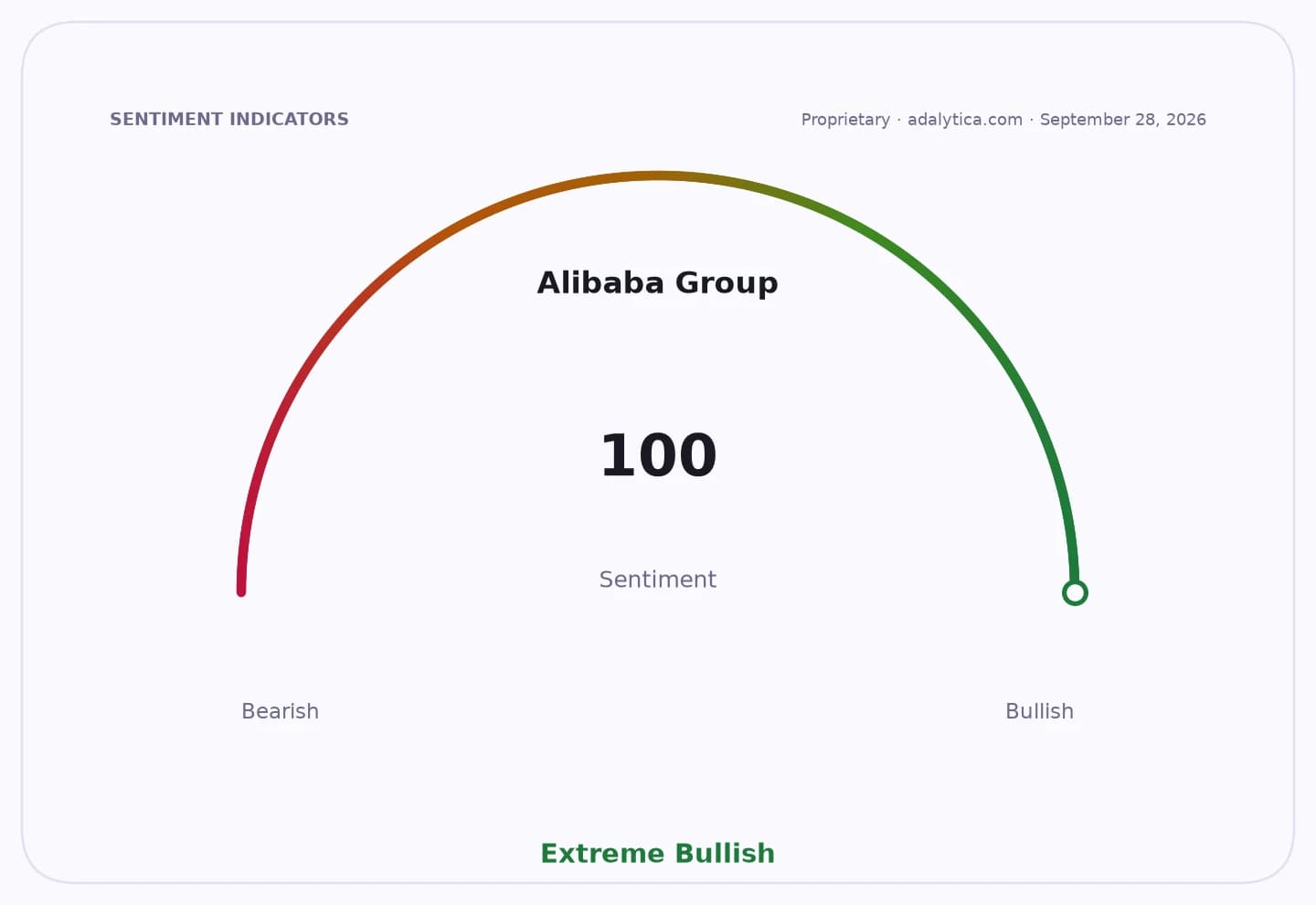
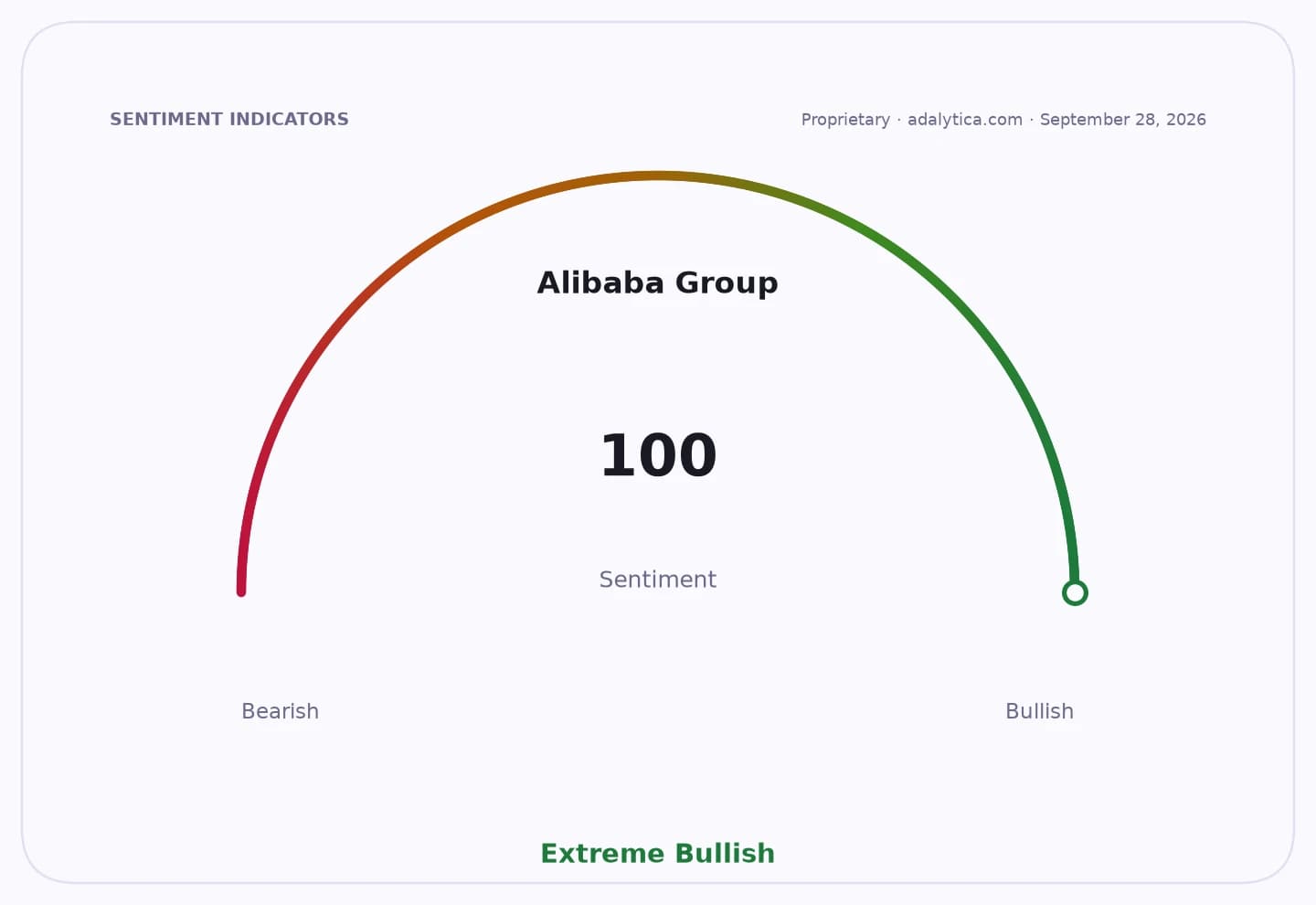
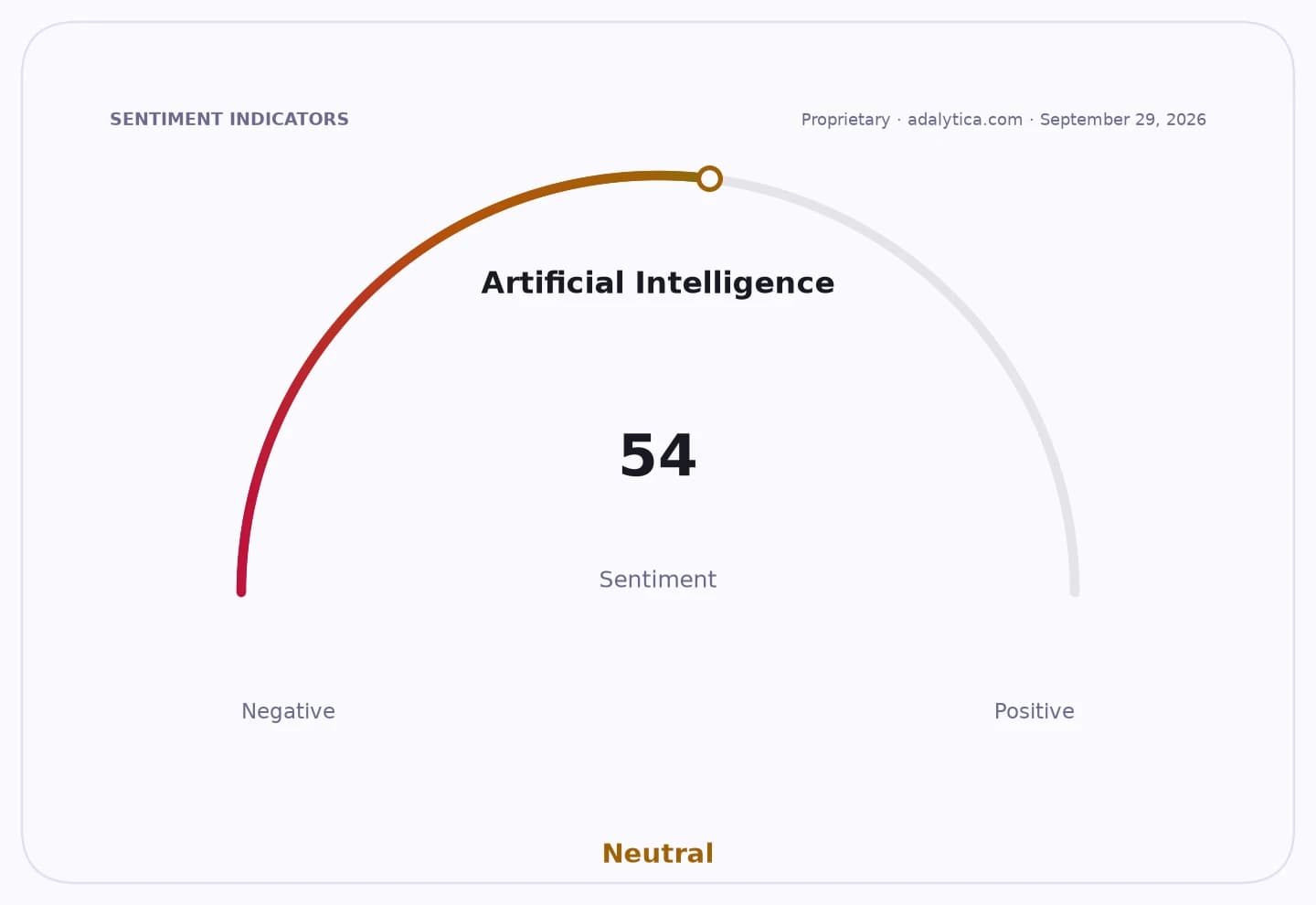
The stock, however, remains well below its recent highs, and Alibaba’s shares were trading near $110.80, still beneath both the 50-day moving average and the 200-day moving average in the latest data. That suggests investors are not yet pricing in a clean turnaround. But the Adalytica.com earnings sentiment snapshot shows extreme greed, underscoring how quickly expectations can swing when the market believes growth and AI adoption are accelerating.
For long-term investors, the real story is simpler than the short-term chart: Alibaba Cloud is trying to become the infrastructure layer that enterprises use when AI stops being a test and starts becoming a business process. If it can keep expanding capacity, lower the cost of deployment and convert more partnerships into durable usage, the cloud segment could become a much more important engine inside Alibaba Group. Worth watching, and the kind of setup patient investors can keep on a long-term watchlist.
| Entity | Gains | Losses |
|---|---|---|
| Alibaba Cloud | ▲More enterprise AI workloads | ▼Cloud rivals’ share of demand |
| Enterprise customers | ▲Lower AI deployment costs | ▼Manual workflows and delays |
| Qwen and Model Studio users | ▲Faster production adoption | ▼Standalone open-source stacks |
| Competing cloud providers | ▲— | ▼Pricing pressure and share risk |