Anthropic’s disclosed compute commitments have ballooned to $517 billion, turning the Claude maker’s public calls to slow frontier AI development into a much louder signal that the race to build and run models is still intensifying.
Anthropic Compute Commitments Reach $517 Billion

The size of the spending matters because it points to another leg of demand for chips, cloud capacity and data-center infrastructure at a time when investors are still trying to judge whether AI capex is sustainable or getting ahead of revenue. For the suppliers, it means a longer runway for orders, utilization and pricing power; for the broader market, it reinforces that AI infrastructure spending remains one of the few areas in tech still attracting huge committed capital.
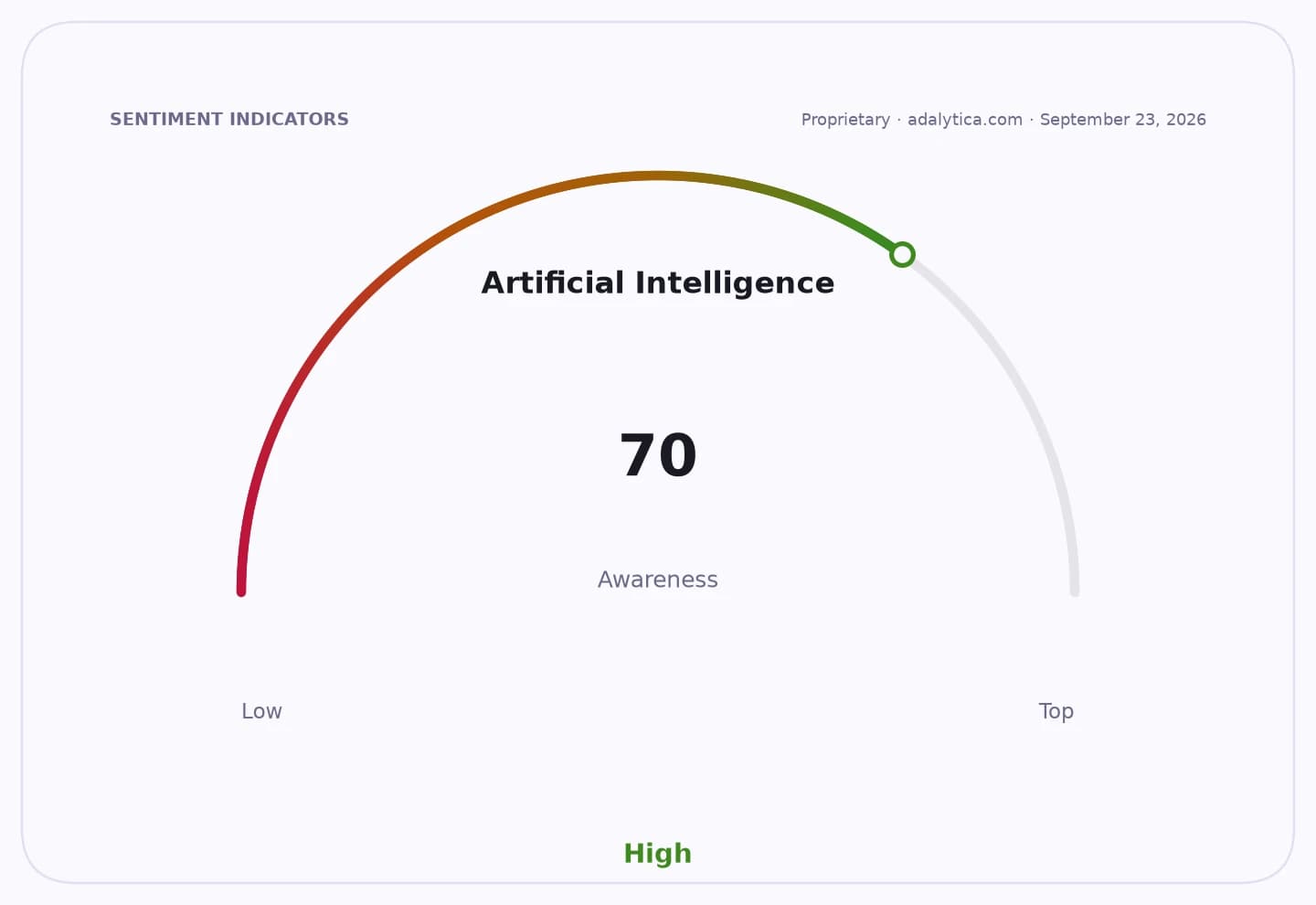
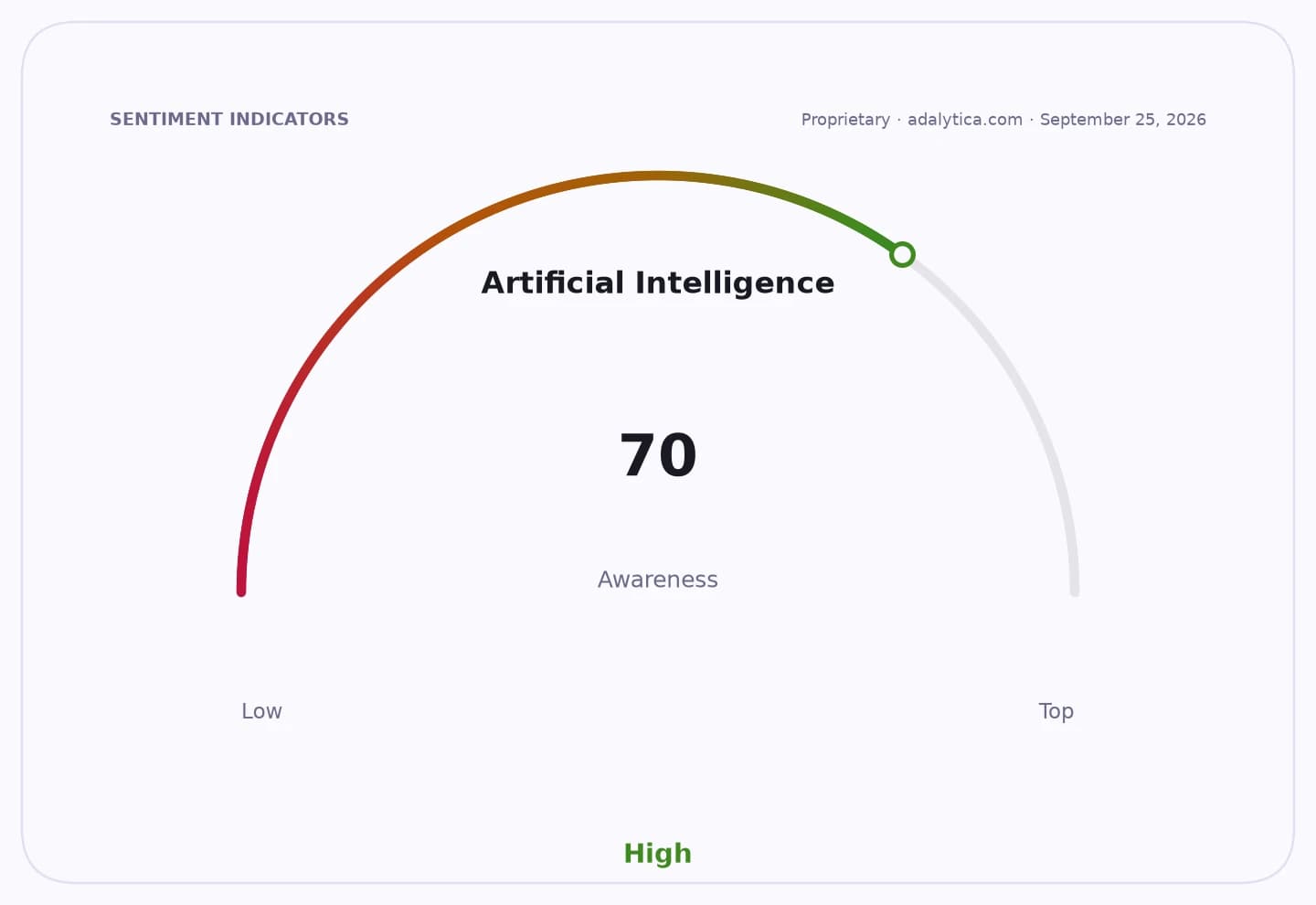
Sentiment IndicatorsⓘProprietary · adalytica.com · September 16, 2026
This is a snapshot — live sentiment, awareness and momentum for 130+ markets update continuously in the dashboard.Open AlphaPulse

The Information reported that Anthropic agreed to spend the funds over the past 11 months through the end of August, far above the $180 billion it had previously disclosed. That makes the startup one of the most aggressive buyers of compute in the sector and undercuts the idea that frontier labs are likely to voluntarily ease back on expansion any time soon.
Nvidia remains the clearest winner. Its graphics processing units still anchor AI training and much of the software stack is built around CUDA, while its newer push into inference broadens the revenue opportunity as model usage scales. Nvidia shares were last up 0.57% in the context provided, and the stock remains near its 50-day moving average, with the 50-day at $213.36 and the 200-day at $197.59.
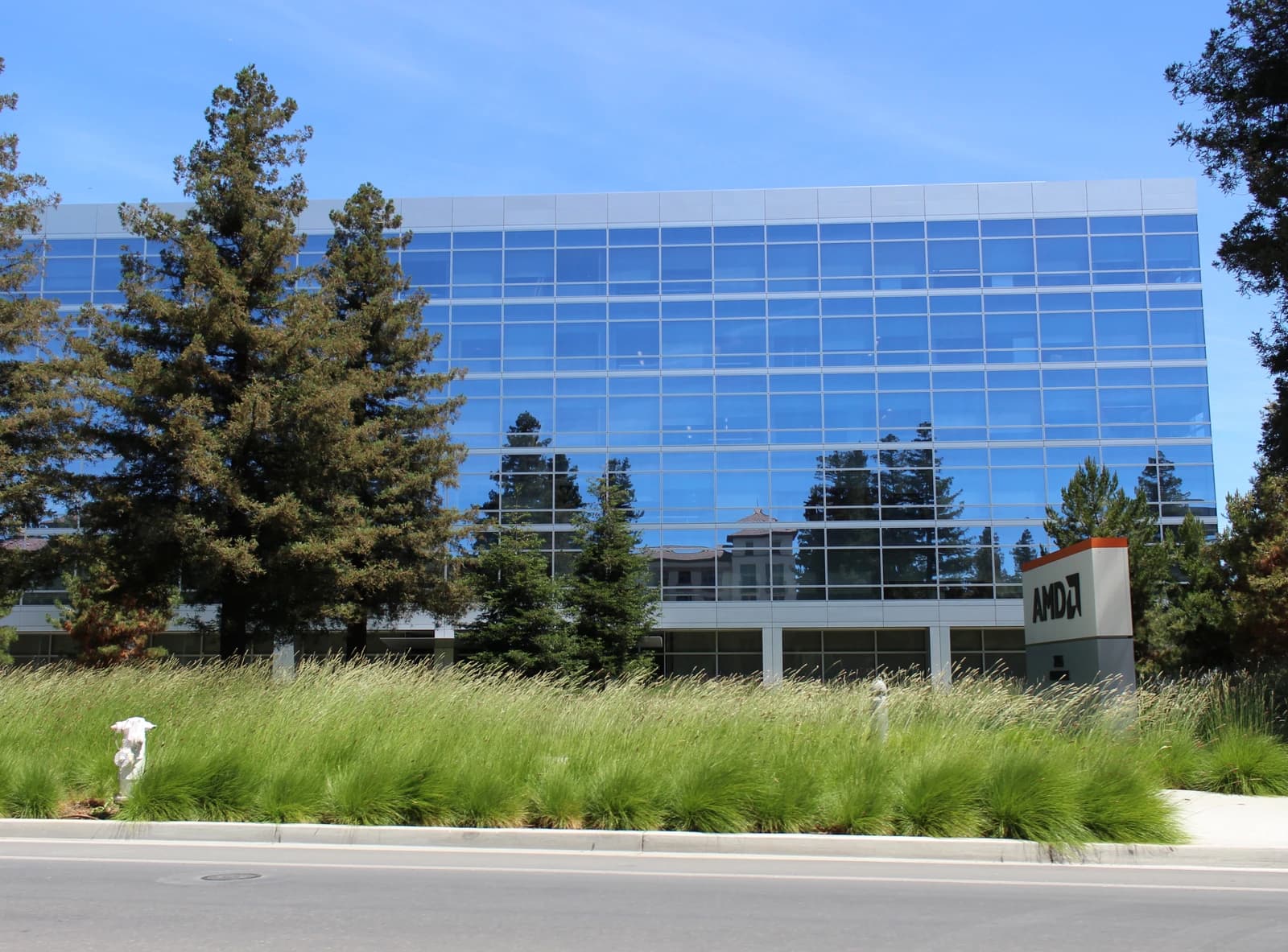
AMD is also set to benefit as Anthropic broadens its chip base. The company has agreed to invest up to $5 billion in Anthropic, and Anthropic plans to deploy up to 2 gigawatts of AMD GPUs starting in 2027, including the Helios rack-scale system for inference. AMD shares rose 2.19% in the supplied context, and the stock has already rerated sharply this year on AI demand.
Alphabet and Broadcom stand to gain from Anthropic’s large-scale use of custom TPUs. Broadcom said Anthropic will deploy 1 gigawatt of Alphabet’s Ironwood TPUs this year, followed by 5 gigawatts of TPU v8i in 2027 and another 10 gigawatts in 2028, making Anthropic Broadcom’s largest customer. Alphabet gets a high-margin revenue stream from TPU design and related services, while Broadcom captures the bulk of chip and networking revenue.
Amazon is another major beneficiary through AWS. Anthropic already has more than $100 billion in cloud commitments with Amazon over the next decade and has used Amazon’s Trainium accelerators and Graviton CPUs in deployments. Amazon also owns about 20% of Anthropic, so it benefits both as a supplier and as an investor if the startup’s scale-up translates into enterprise adoption and a larger model business.
The spending wave also lands against a macro backdrop of elevated U.S. rates, with the 10-year Treasury yield around 4.97% and the 2-year near 4.65%, underscoring how capital-intensive AI buildouts are being financed in a tougher funding environment. That makes the biggest players — the chipmakers and hyperscalers — more likely to keep winning, while smaller competitors and customers without access to cheap capital face a tighter bar to compete.
For investors, the message is simple: Anthropic’s rhetoric may lean cautious, but its balance sheet behavior is still expansionary. The next catalyst is whether other frontier labs follow with equally large compute commitments, and whether those orders continue to translate into earnings power for Nvidia, AMD, Alphabet, Broadcom and Amazon.
| Entity | Gains | Losses |
|---|---|---|
| Nvidia | ▲More GPU demand | ▼Supply constraints if capacity lags |
| AMD | ▲New AI inference orders | ▼Heavy dependence on execution |
| Alphabet & Broadcom | ▲TPU revenue expansion | ▼Capital-intensive rollout risk |
| Amazon | ▲AWS commitments and equity upside | ▼Higher data-center capex burden |