Cities and local governments are becoming the biggest gatekeeper for the next phase of cloud and artificial intelligence buildout, and that is changing the investment case for Amazon, Microsoft and Alphabet as much as chip supply or demand growth.
Amazon, Microsoft, Alphabet Face Data Center Permit Risk

The issue is not whether data centers will be built; it is where, how fast and on whose terms. In markets where land, power and water are already stretched, resistance to large industrial projects is rising, especially where communities see little direct benefit and bear the cost in higher utility bills, congestion or environmental strain. That makes zoning, permitting and land governance a material economic risk for the technology groups that need ever more infrastructure to support cloud computing and AI.
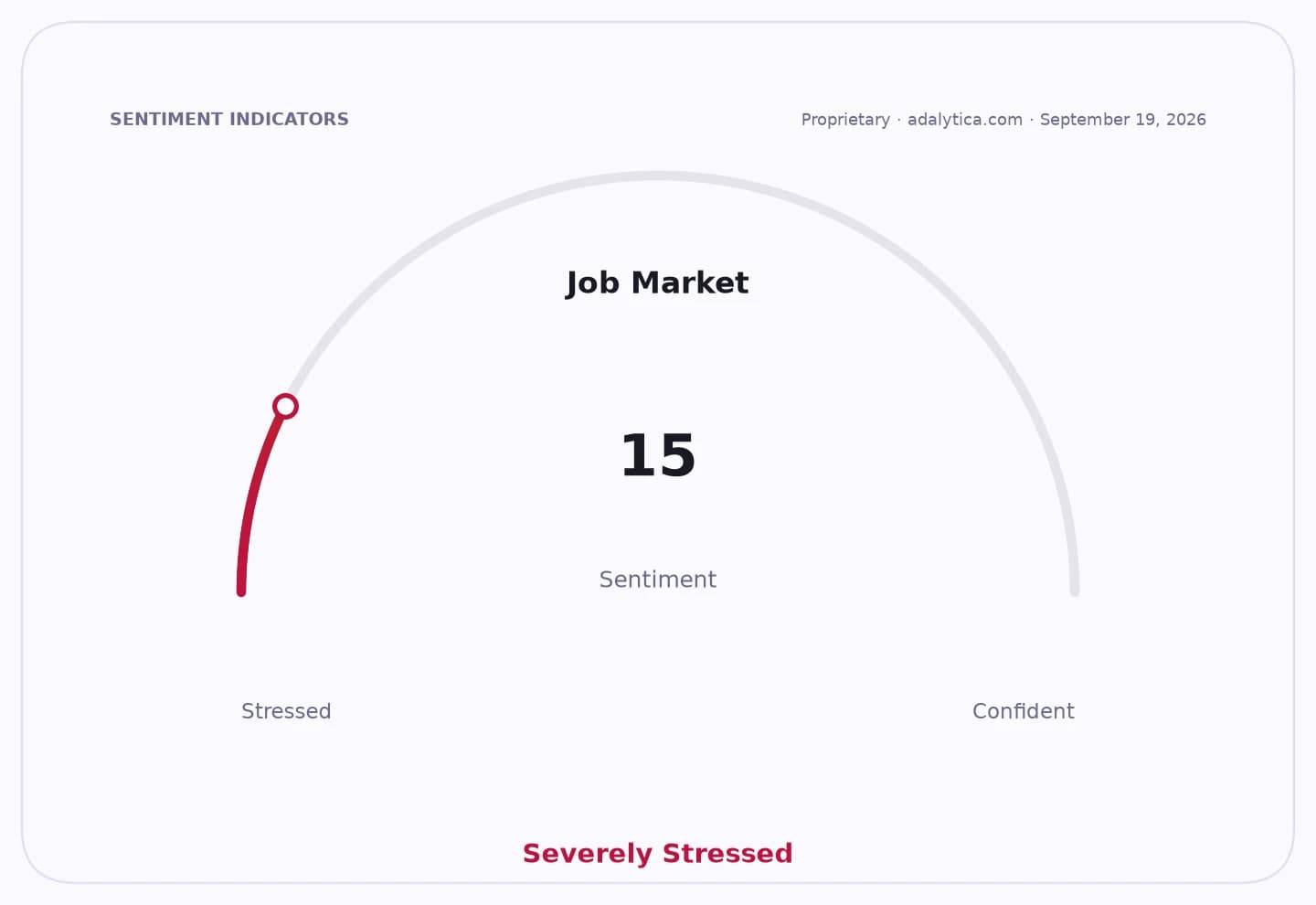
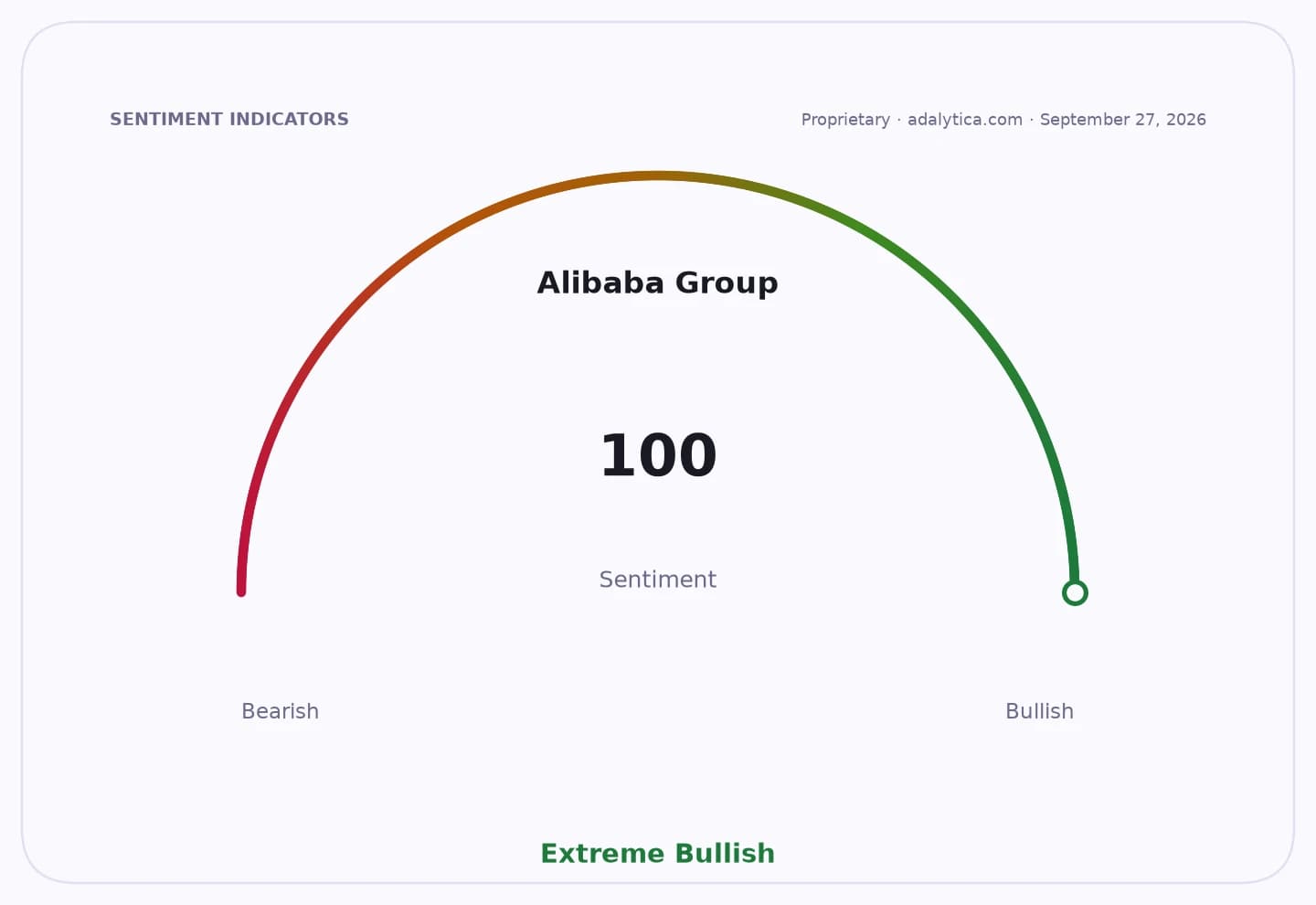
Sentiment IndicatorsⓘProprietary · adalytica.com · September 29, 2026
This is a snapshot — live sentiment, awareness and momentum for 130+ markets update continuously in the dashboard.Open AlphaPulse
The companies themselves acknowledge the bottleneck. Microsoft has warned in SEC filings that electricity generation, transmission and distribution constraints, outages, shortages and delays in power connections can slow construction and raise costs. Alphabet has said its capital spending is concentrated in technical infrastructure, including servers, network equipment and data-center land and construction. Amazon similarly says it is investing aggressively in technology and infrastructure to improve customer experience at scale. Those plans only work if municipalities and regulators let the projects proceed.
The market consequences are straightforward. Delays can defer revenue from cloud capacity, push back AI deployment and force operators to pay more for land, power interconnects and compliant construction. They also shift bargaining power toward utilities, landlords and local governments, while potentially benefiting existing data-center owners with operating sites in permitting-friendly jurisdictions. For hyperscalers, slower approvals can compress returns on capital at a time when investors are already scrutinizing spending discipline.
That tension is showing up against a mixed market backdrop. Amazon shares have rebounded sharply from earlier weakness but remain volatile, while Microsoft and Alphabet have held stronger technical positions, with Microsoft recently reclaiming support above its 50-day and 200-day moving averages and Alphabet trading near its own longer-term trend. Broad U.S. equity sentiment, measured by Adalytica’s S&P 500 Trade Signals, sits in greed territory, suggesting investors are still willing to pay for growth even as policy friction rises.
The key risk is that the industry’s buildout runs into the same local constraints wherever power, land and water are scarce. The bull case is that demand for cloud and AI computing remains so strong that projects will eventually get built, just more slowly and at higher cost. The bear case is that permit delays, tighter zoning and public pushback turn a speed advantage into an expense problem, especially for operators pursuing multiple campuses at once.
For investors, the question is no longer whether the data-center boom continues, but whether it can do so without a larger share of the economics leaking to governments, utilities and communities that control the approvals.
| Entity | Gains | Losses |
|---|---|---|
| Amazon, Microsoft, Alphabet | ▲Long-term cloud demand | ▼Faster project rollouts |
| Local governments, utilities | ▲More leverage over approvals | ▼Pressure to concede quickly |
| Existing data-center landlords | ▲Higher demand for approved sites | ▼New competition from greenfield builds |
| Investors in hyperscalers | ▲Scarcity value in approved capacity | ▼Margin pressure from delays and higher costs |