Utilities are getting hit with a political and regulatory backlash as the AI data-center buildout drives billions of dollars of new grid spending and raises the question of how much of that growth should flow to shareholders.
Utilities Face Scrutiny Over AI Data Center Spending
The fight matters because the U.S. power sector is entering one of its biggest capital cycles in years, with hyperscalers and data-center developers demanding more generation, transmission and distribution capacity just as regulators come under pressure to keep electricity bills in check. That is turning utility earnings models, built on regulated returns and rate-base growth, into a political target.
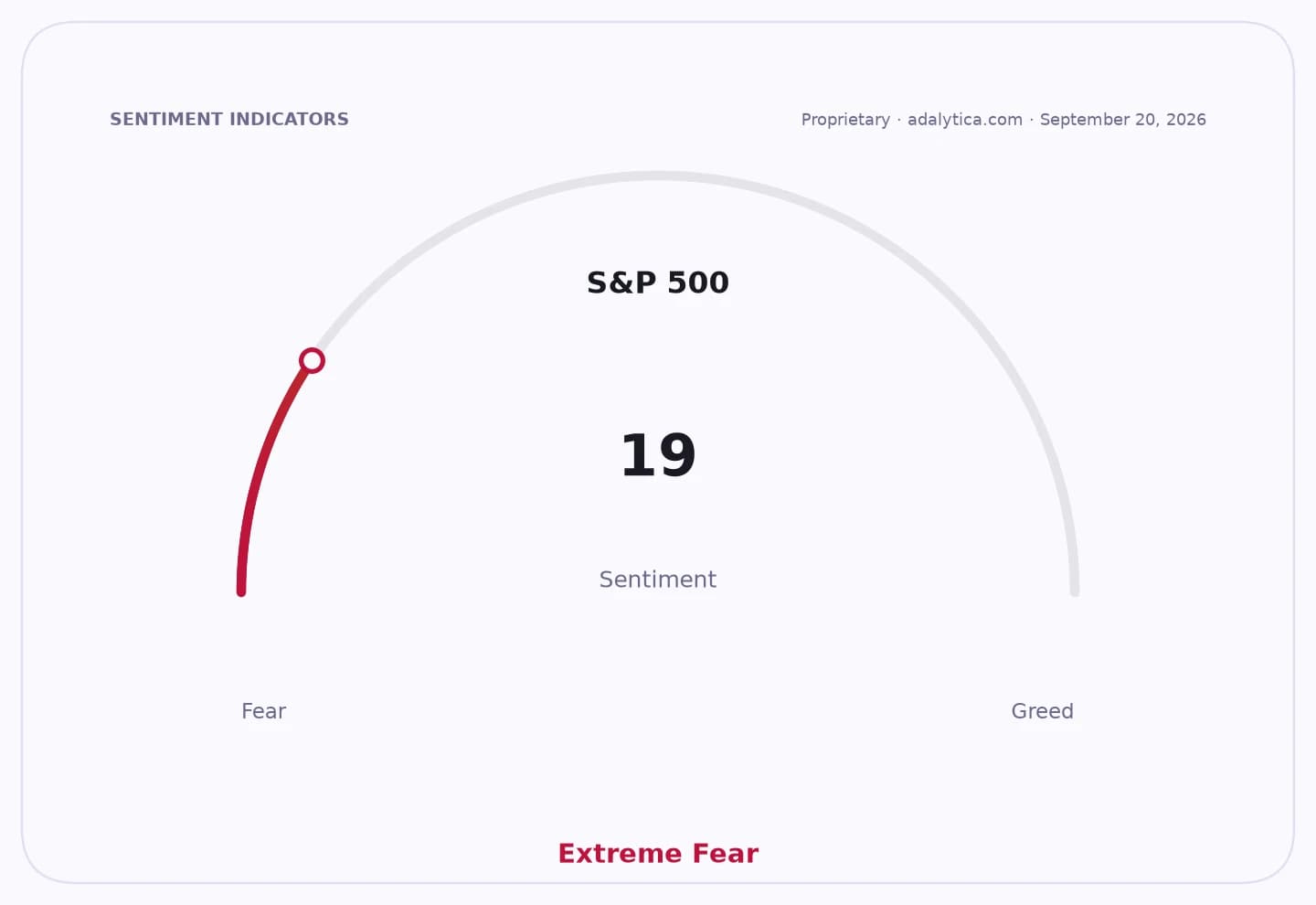
Sentiment IndicatorsⓘProprietary · adalytica.com · September 27, 2026
This is a snapshot — live sentiment, awareness and momentum for 130+ markets update continuously in the dashboard.Open AlphaPulse
Investors have embraced the theme, bidding up utility stocks earlier this year on expectations that data-center load would support steady earnings growth and higher capital spending. But recent price action shows the market turning more cautious: the Utilities Select Sector SPDR Fund has fallen to $39.51 from $45.43 on July 2, while Duke Energy slid to $113.35 from $129.38 and Southern Co. dropped to $82.88 from $97.18, underscoring how quickly sentiment has cooled as rate scrutiny intensifies.
The pushback is already showing up in company filings and regulatory constraints. Exelon said in a July filing that non-mandatory capital spend recoverable in rates at one of its utilities is capped at $70 million a year in 2026 and 2027 unless regulators say otherwise, a reminder that not every dollar of grid investment automatically earns a return. That kind of limit goes straight to the heart of the data-center story: utilities may have to spend heavily up front, but regulators can still decide how much they can charge customers later.
Duke’s August settlement in North Carolina also shows the balancing act. The company secured a 9.8% return on equity and a roughly $17.8 billion retail rate base, but the deal came against a backdrop of growing political sensitivity over utility profits and customer costs. Southern, meanwhile, remains heavily tied to load growth in the Southeast, where demand from data centers and industrial users is part of the long-term earnings case.
For investors, the key issue is not whether data centers need more power — they do — but who pays for the wires, substations and plants needed to serve them, and how fast those costs can be recovered. If regulators allow utilities to expand rate base without too much resistance, the sector can still deliver attractive earnings growth. If they push back, the market may have to price in slower profit growth, lower returns on new capital and more volatility in utility multiples.
Technical indicators also point to a sector under pressure. XLU is trading well below both its 50-day and 200-day moving averages, and its RSI has fallen into oversold territory, suggesting the recent selloff has been steep enough to draw attention from traders as well as policy watchers.
The next catalyst is likely to come from more state-level rate cases, utility guidance on data-center spending and any further move by regulators to cap recoverable capital outlays as the AI buildout accelerates.
| Entity | Gains | Losses |
|---|---|---|
| Utilities | ▲Higher rate base, load growth | ▼Political scrutiny, return caps |
| Data-center developers | ▲Faster grid access | ▼Potentially higher power costs |
| Consumers | ▲More oversight of bills | ▼Risk of slower grid investment |
| Regulators/politicians | ▲Bill-payer protection | ▼Pressure to balance growth and affordability |