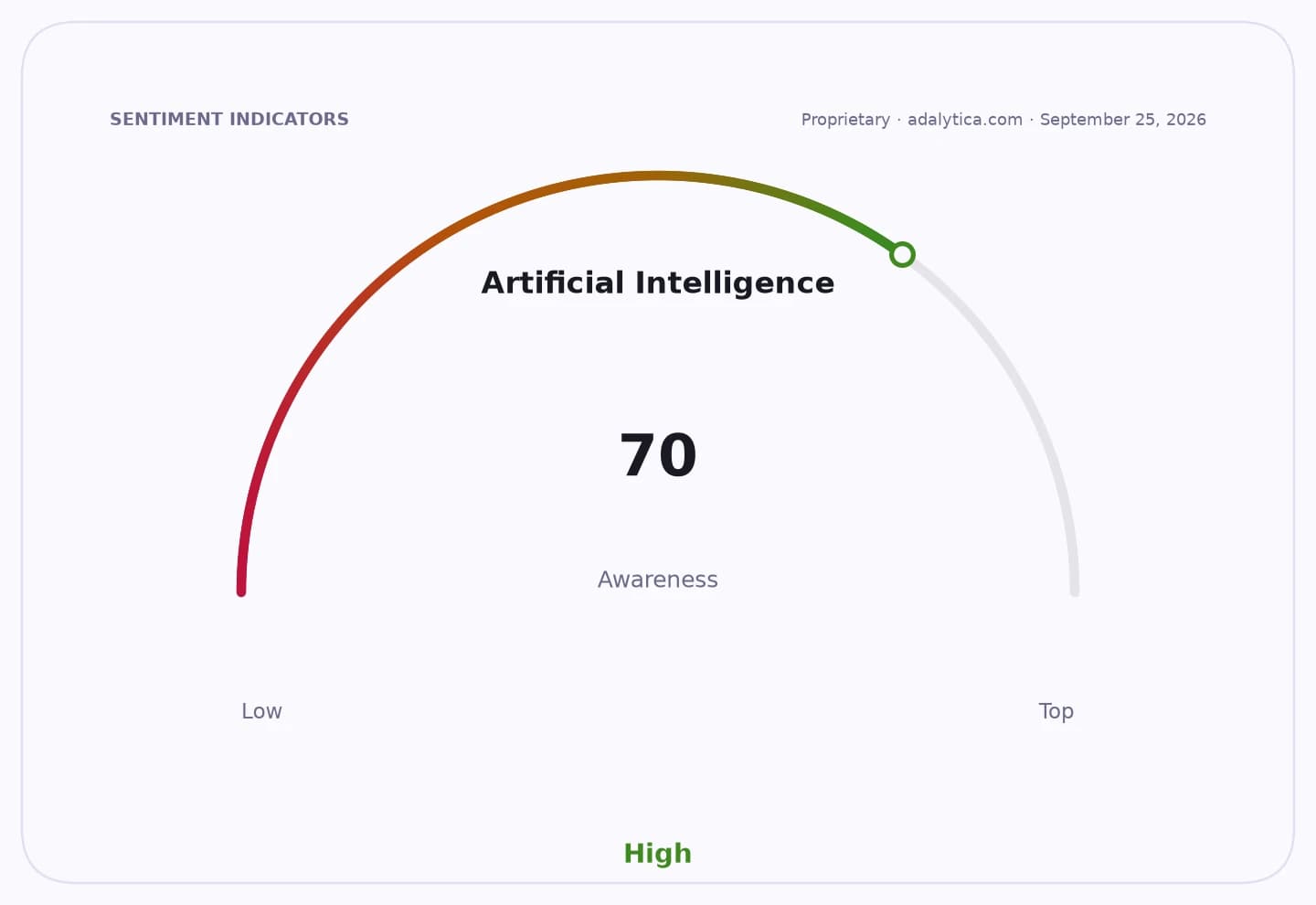
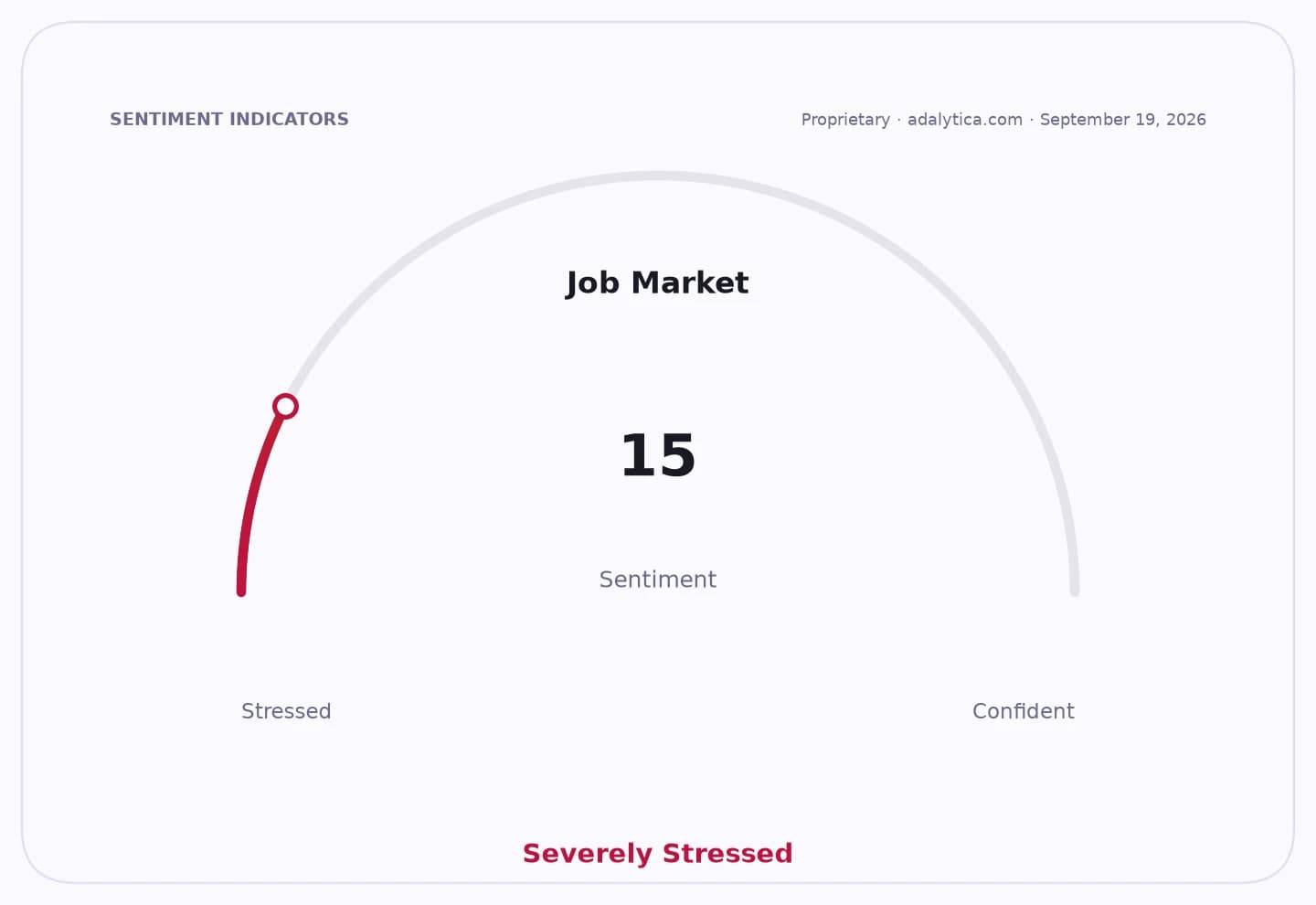
AI’s biggest constraint is shifting from semiconductors to construction, and that is turning contractors with electrical, mechanical and site-work exposure into direct beneficiaries of the data center boom. Comfort Systems USA, EMCOR Group and Sterling Infrastructure are all seeing the backlog and earnings mix that matter most in an economy where power, cooling, land preparation and grid connection have become the limiting factors on AI capacity.
EMCOR, Comfort Systems Gain From Data Center Buildout
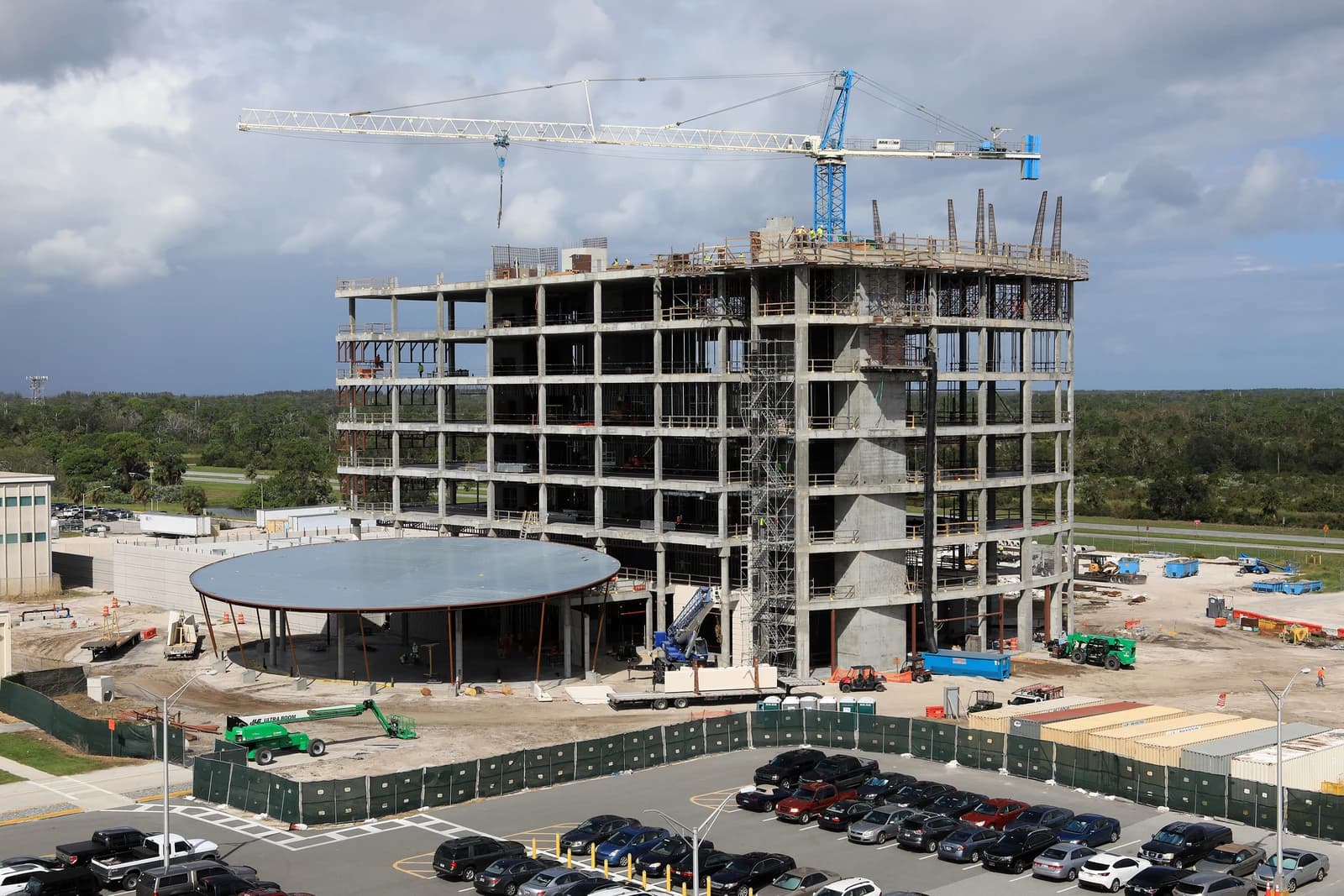
That matters because data center spending is no longer just a technology story; it is feeding a multi-year wave of industrial, utility and infrastructure capex. The contractors that can wire, cool and prepare these facilities are effectively capturing the physical tollbooth on AI expansion. Unlike chipmakers, whose economics hinge on unit demand and fab supply, these companies monetize each stage of the buildout through labor, project execution and maintenance, which tends to make revenue more visible once contracts are booked.
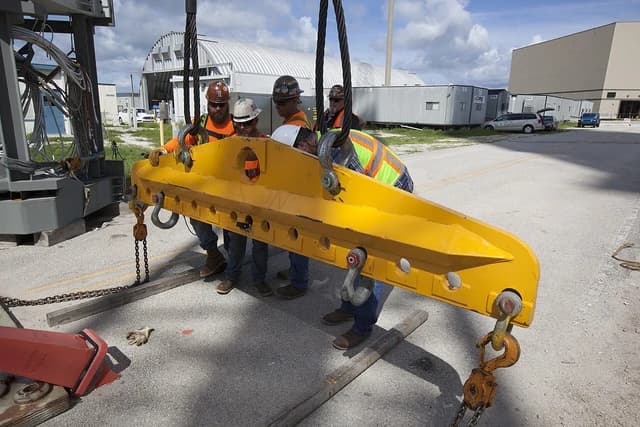
The clearest evidence is in backlog. EMCOR said in its latest filing that remaining performance obligations rose across several market sectors, with the largest increase in network and communications, driven predominantly by several data center construction contracts. That is a direct read-through to demand for electrical and mechanical systems, the type of work that is hardest to shortcut when hyperscalers are racing to add capacity. Sterling, meanwhile, cited nearly $210 million of industrial backlog as of July 31, though its disclosure also shows that backlog can move with the timing of large awards and does not capture all future revenue.
Comfort Systems sits in the same lane, with second-quarter revenue up sharply in part on same-store growth, helped by strong market conditions tied to data center demand. That is important because it suggests the spending is not only landing in fresh awards but also in recurring execution, which supports margins if contractors can keep labor and materials under control. For investors, that visibility is why these names have traded with such momentum: they offer a nearer-term way to play AI infrastructure without taking the valuation risk embedded in the chip complex.
The bull case is straightforward. If hyperscalers keep pulling forward capacity, these contractors can sustain high backlog conversion, pricing power and above-average growth for longer than the market typically expects from construction companies. The bear case is equally clear: the trade depends on execution discipline, and the same data center boom can strain labor availability, compress margins and expose contractors to project delays, local permitting fights and customer concentration.
That risk is not theoretical. In Sterling’s own filing, community opposition to large-scale data center development was flagged as a factor that could slow load growth in some markets. More broadly, the bottleneck narrative now extends beyond construction into electricity availability, transmission and cooling, which means the pace of AI investment may increasingly depend on the same industrial companies that can move dirt, run conduit and deliver power to the site.
For investors, the key question is which contractor can turn this capex cycle into durable free cash flow rather than just backlog growth. Comfort Systems looks best positioned on direct mechanical and electrical exposure, EMCOR has the broadest diversification across end markets, and Sterling offers the most targeted site-work leverage but with a narrower base. As AI spending shifts from chips to physical infrastructure, the winners are likely to be the companies that can execute the hardest part of the build.
| Entity | Gains | Losses |
|---|---|---|
| Comfort Systems USA | ▲Electrical/mechanical AI demand | ▼Labor and project-execution risk |
| EMCOR Group | ▲Diversified data center backlog | ▼Margin pressure from scale-up |
| Sterling Infrastructure | ▲Site-work and industrial awards | ▼Permitting and concentration risk |
| Hyperscalers | ▲Faster capacity buildout | ▼Higher construction and power costs |