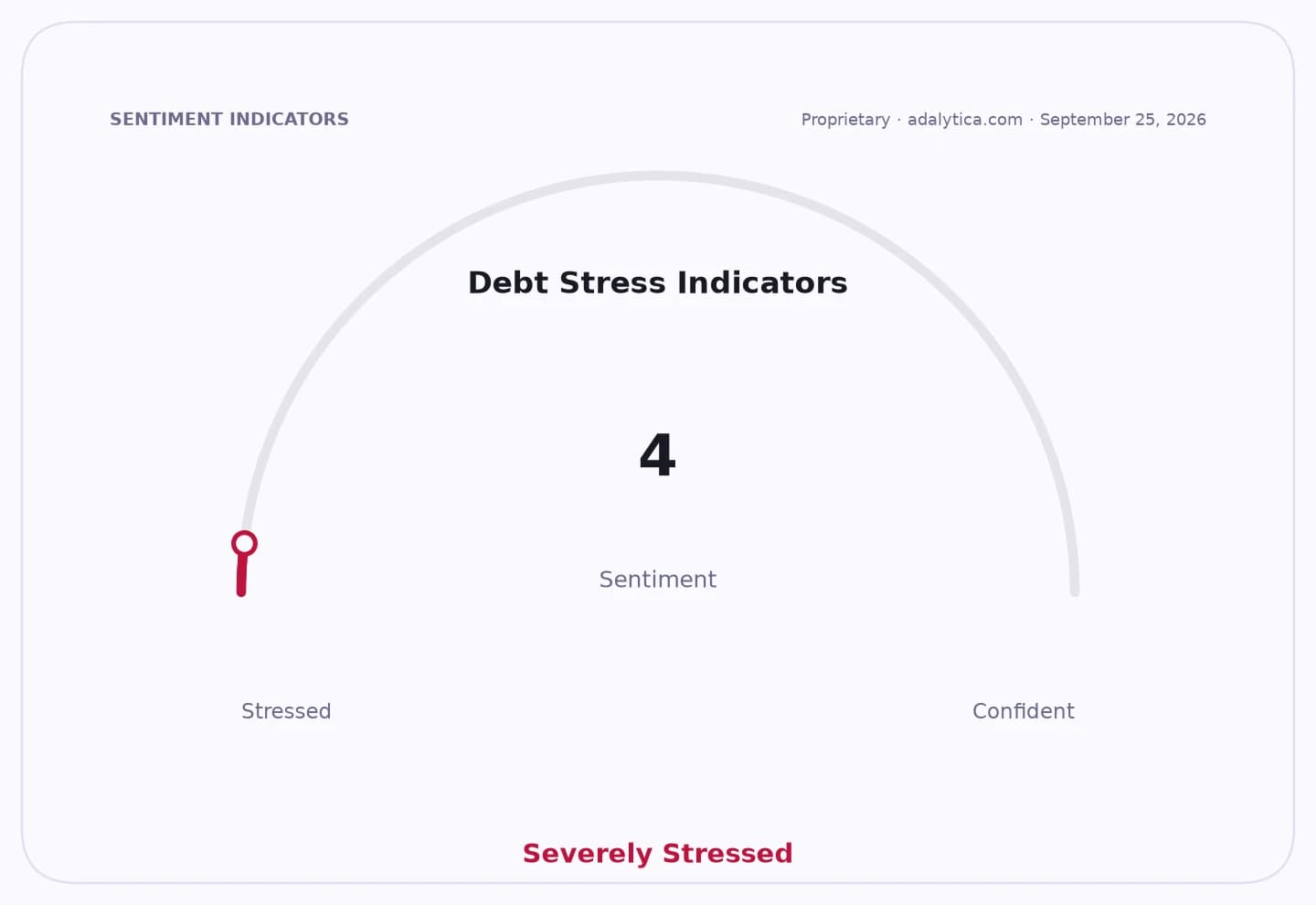
AMC Entertainment is moving to replace a stack of expensive secured borrowings with a larger, layered refinancing that could buy the movie theater operator more time and liquidity, but leaves it still heavily reliant on debt markets.
AMC Refinances Debt With New First-Lien Notes
The company said it has started marketing $2 billion of first-lien notes due 2031 and is syndicating an $850 million first-lien term loan, while also lining up a $1.12 billion second-lien term loan from Deutsche Bank. The proceeds would be used to tender for its 7.5% secured notes due 2029, redeem any holdouts, retire Muvico’s $903.4 million notes, and repay existing term loans at AMC and Odeon. AMC said the transactions are expected to generate at least $3.97 billion of gross proceeds if they close on the intended terms.
For AMC, the refinancing is less about expansion than survival on better terms. The chain has spent years working through a capital structure strained by pandemic-era losses, uneven moviegoing demand and high interest costs. By pushing maturities out to 2031 and pulling together first- and second-lien facilities, management is trying to reduce near-term refinancing risk and clean up a web of subsidiary debt that has tied up cash flow. That matters because every dollar saved in financing costs can be redirected toward operations, theater upgrades and, crucially, staying current on obligations.
The trade-off is more collateralized leverage. First-lien and second-lien paper gives lenders stronger claims on AMC’s assets, which can improve access to funding but also increases the encumbrance over the business. Investors will read the deal as a sign that capital markets remain open to AMC, yet they are also being asked to underwrite another round of debt layering in a business with thin margins and highly cyclical revenue. For equity holders, the question is whether this refinancing stabilizes the balance sheet long enough for a sustained box-office recovery to matter. For bondholders, it is whether the new structure improves recoveries or simply extends the timeline.
AMC shares have been volatile around the announcement, trading near $2.91 a share in recent sessions, above both the 50-day and 200-day moving averages. Technical indicators such as RSI and MACD suggest the stock has had bursts of momentum, but the underlying story remains balance-sheet driven rather than operationally transformative. The financing plan is also conditional, and AMC said there can be no assurance the transactions will close on the stated terms or at all.
The broader narrative is familiar across highly leveraged consumer businesses: refinancing can postpone a crisis, but it cannot by itself fix weak cash generation. If AMC can complete the deal and push out maturities, it gains breathing room. If execution slips or market conditions turn, the same debt stack that offers relief today could become the next pressure point.
| Entity | Gains | Losses |
|---|---|---|
| AMC management | ▲Maturity relief | ▼Higher secured leverage |
| Existing noteholders | ▲Potential cash takeout | ▼Subordinated or redeemed debt |
| New lenders | ▲Stronger collateral | ▼Exposure to cyclical earnings |
| Equity holders | ▲Lower near-term default risk | ▼More claims ahead of them |