AMD is deepening its India AI push with a plan to train up to 10,000 students over the next year, betting that the next wave of adoption will be driven less by raw model hype and more by workers who know where AI should actually be used.
AMD India AI training partnership with Delhi University

That matters economically because it speaks to the biggest constraint now shaping AI rollouts: not just access to software, but the cost of deployment and the shortage of practical skills. AMD India’s Jagadish said companies and workers cannot “slam everything with AI” because the technology carries a cost, and that judgment, domain expertise and creativity will determine whether AI improves productivity or simply adds expense.
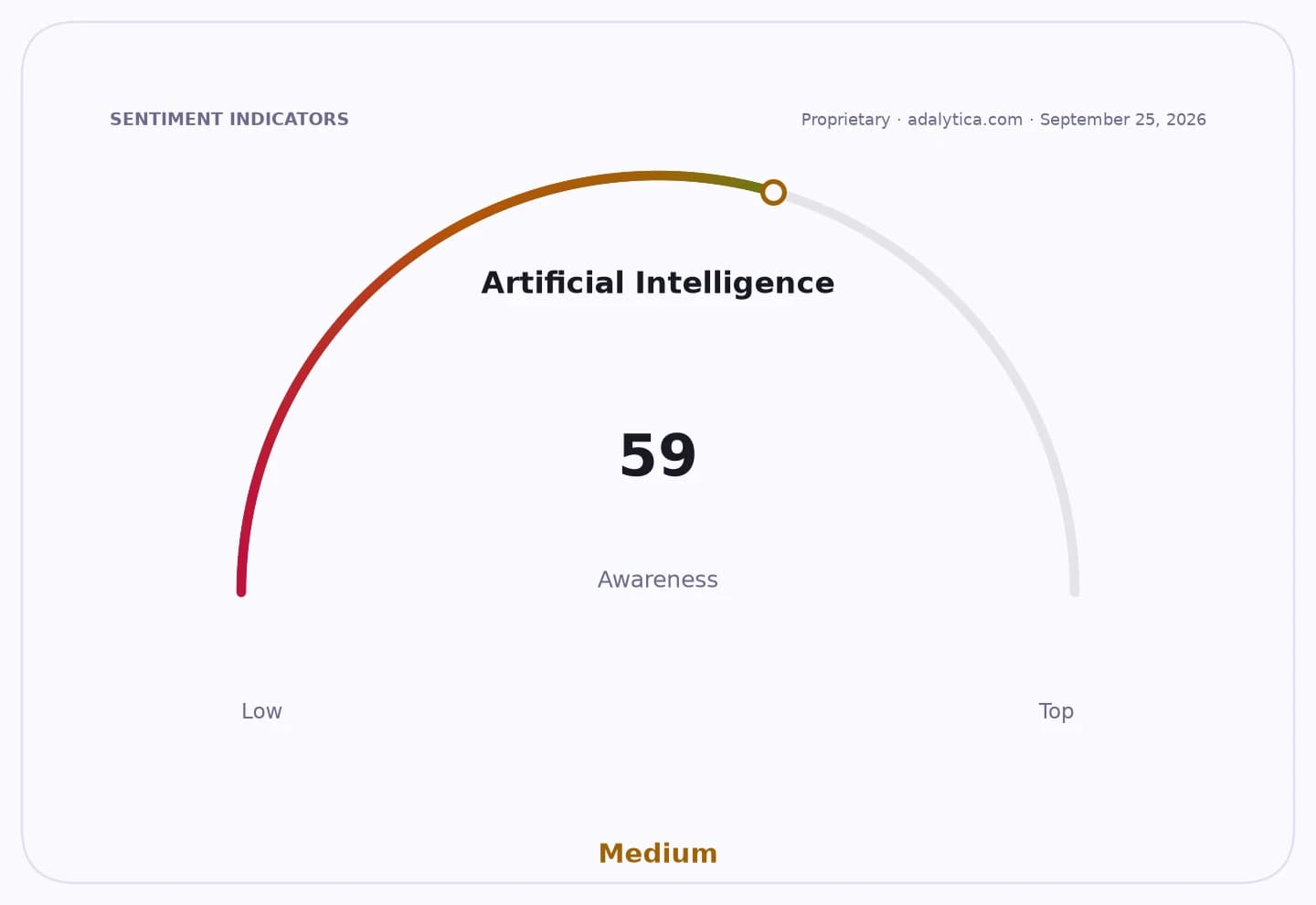
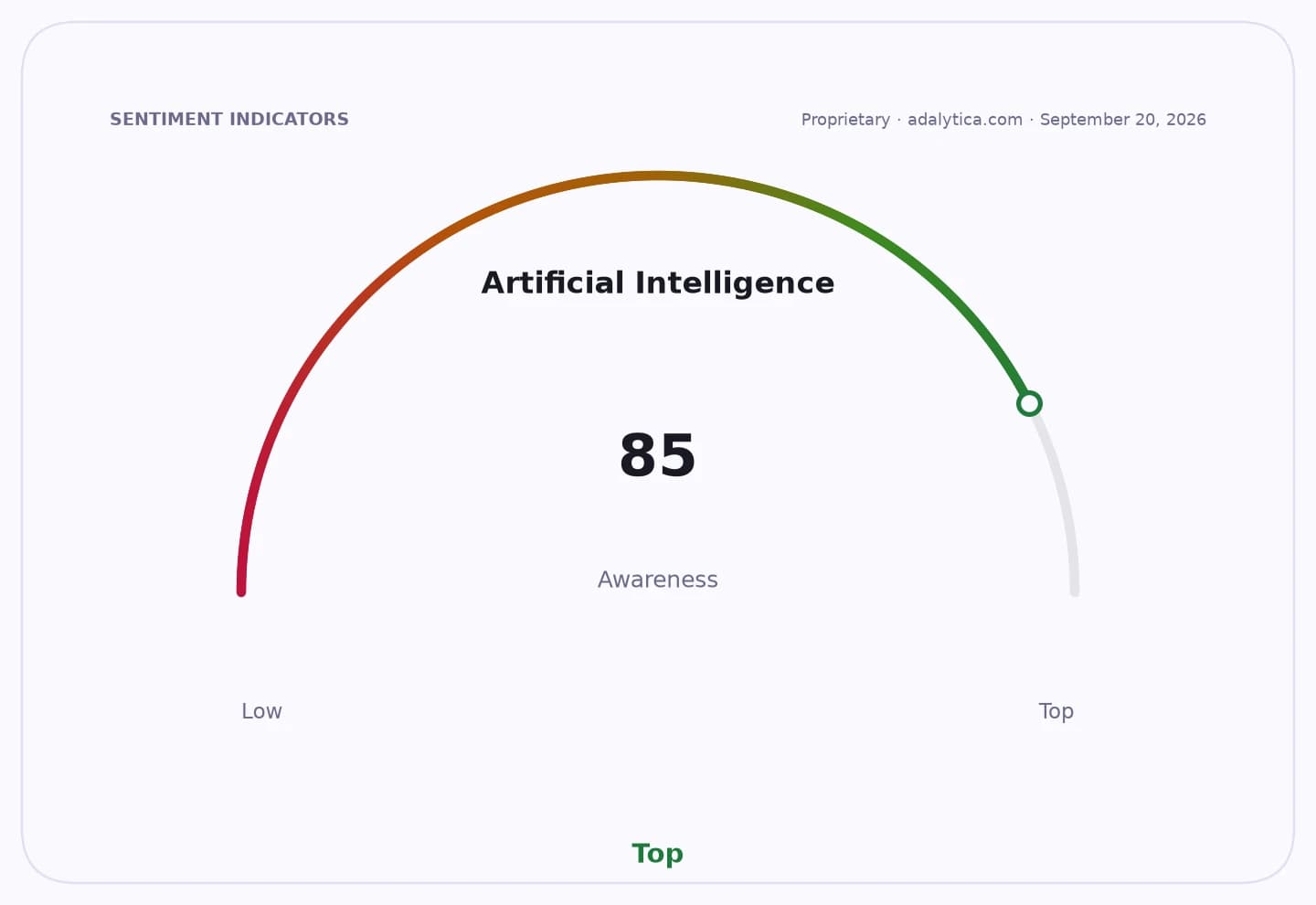
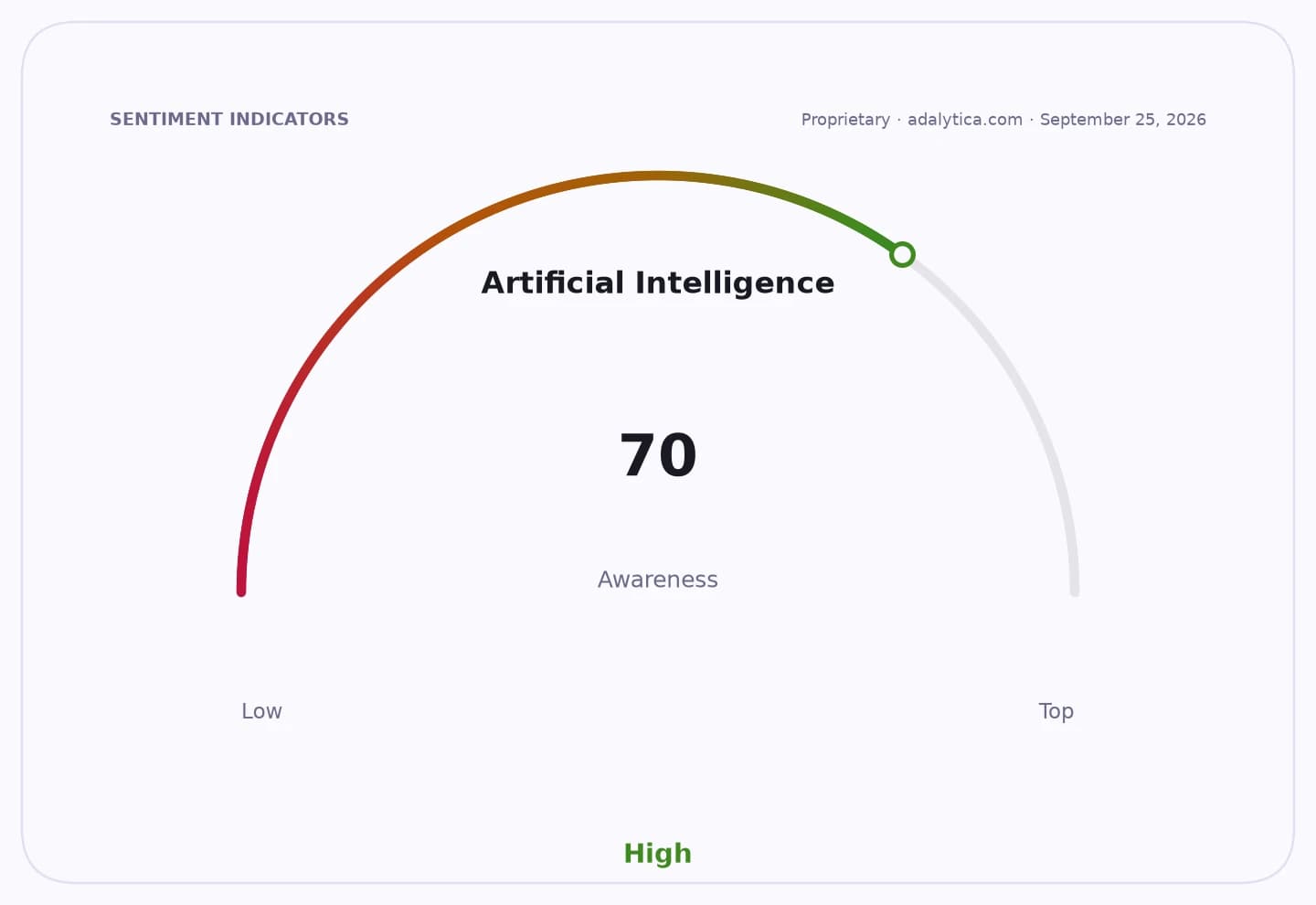
Sentiment IndicatorsⓘProprietary · adalytica.com · September 3, 2026
This is a snapshot — live sentiment, awareness and momentum for 130+ markets update continuously in the dashboard.Open AlphaPulse
The collaboration with the University of Delhi gives students and faculty access to AMD’s open-source ROCm platform, technical workshops, learning resources and cloud GPU credits so they can build, test and deploy AI applications on AMD hardware. That is strategically important for AMD, which is trying to widen the developer base around its GPU stack as it competes with Nvidia for mindshare in AI computing and with cloud economics increasingly under scrutiny.
For investors, the message is that AI infrastructure demand is broadening from headline-grabbing model training into education, application development and workflow integration. If enterprises decide that only selected tasks justify AI spend, vendors with lower-cost, more flexible ecosystems could gain share, especially in markets such as India where scale and affordability matter.
The tie-up also reflects a bigger labor-market shift. AMD said AI will not simply wipe out jobs, but will change them, with more workers expected to automate routine tasks and spend more time on complex problems. That implies a reskilling cycle extending beyond computer science into fields from agriculture to space, supporting a narrative that AI adoption is becoming a cross-sector productivity story rather than a narrow software race.
AMD shares have been volatile but remain elevated, while Nvidia has stayed near record territory as investors continue to price in persistent AI spending. Technical indicators show AMD recently slipped to $456.45, below its 50-day moving average of $500.38, with RSI at 27.8, suggesting the stock has cooled after a strong run.
The immediate catalyst is whether AMD can turn training partnerships like this into a broader developer ecosystem and more visible commercial adoption in India and beyond, at a time when the market is increasingly asking not whether AI can be deployed, but where it pays to deploy it.
| Entity | Gains | Losses |
|---|---|---|
| AMD | ▲Wider developer ecosystem | ▼Reliance on hype-only demand |
| University of Delhi students | ▲Access to GPU tools | ▼Limited classroom-only training |
| Enterprises | ▲More cost-efficient AI use | ▼Wasteful blanket AI spending |
| Nvidia | ▲Persistent AI sector demand | ▼If cheaper stacks gain share |