Andy Burnham is betting Britain can revive its weak economy by shifting power and assets out of London rather than launching a new round of deficit-fueled spending, a gamble that could reshape fiscal policy, bond markets and the outlook for investors in UK utilities and infrastructure.
Andy Burnham pushes UK devolution and public ownership
The Labour leader’s pitch centers on devolution, higher regional control over tax revenue and a gradual return of key services such as water, energy and transport to public ownership. The economic logic is that a more decentralized state can direct capital toward underperforming regions, lift productivity and lower long-run costs without blowing open the budget.
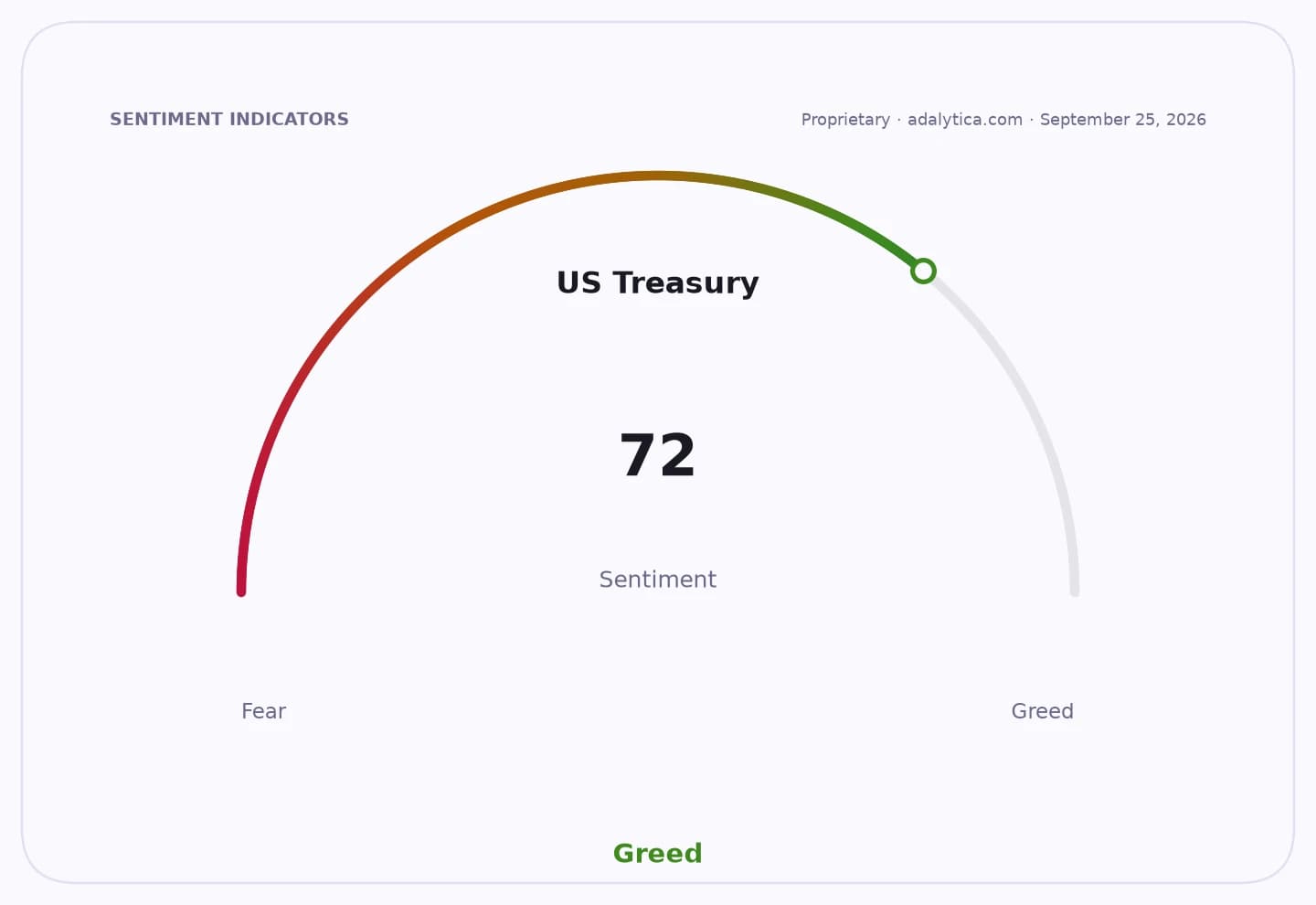
Sentiment IndicatorsⓘProprietary · adalytica.com · September 3, 2026
This is a snapshot — live sentiment, awareness and momentum for 130+ markets update continuously in the dashboard.Open AlphaPulse
That matters because the UK enters this debate with little fiscal room. The 10-year gilt yield is around 5.2%, the 30-year sits near 5.9% and debt servicing costs are already elevated, making fresh borrowing an expensive way to fund growth. Against that backdrop, Burnham is trying to sell a model of industrial policy built on institutional reform rather than a spending spree.
The plan would give metro mayors a larger share of income tax and business-rate proceeds, turning local governments from grant recipients into revenue-raising economic actors. It also fits with a broader push to let regions decide on transport, housing and labor-market investment, a reversal of the UK’s longstanding concentration of jobs, capital and decision-making in London and the southeast.
For investors, the implications are mixed. A more muscular public role in strategic infrastructure could pressure listed water, energy and transport operators if ownership changes or tougher regulation erode shareholder returns. But if regional authorities can actually speed up planning and channel investment more efficiently, the model could support construction, infrastructure and UK domestic demand over time.
The political risk is that the transition proves more costly than advertised. Critics say nationalization needs capital, management discipline and political restraint, and warn that state ownership alone does not guarantee better productivity or lower bills. With gilt markets still sensitive to fiscal credibility, Burnham’s case will ultimately be judged not on slogans but on whether he can prove growth can accelerate without a larger public-sector bill.
| Entity | Gains | Losses |
|---|---|---|
| Regional mayors | ▲More tax power | ▼Less reliance on Whitehall |
| Households in the north | ▲More local investment | ▼Less London-centric policy |
| UK utilities and operators | ▲Policy certainty if reformed | ▼Higher nationalization risk |
| Gilt investors / taxpayers | ▲If growth rises without deficits | ▼If borrowing or costs climb |