Apple’s latest earnings have given investors a simple lesson in 2026: not all megacap tech names deserve the same treatment. Traders are leaning bearish on Apple and constructive on Amazon because the market is rewarding companies with clearer growth runways, stronger operating leverage and less pressure on margins.
Apple vs Amazon: earnings split and trader rotation

That matters because these two stocks sit at the heart of every major index and portfolio. When investors rotate between Apple and Amazon, they are really making a broader call on the quality of earnings in tech, the durability of consumer demand and how much room large-cap leaders have left to compound.
Sentiment Indicators
Apple came through with a record quarter, helped by strong iPhone sales, but the guide was the problem. Wall Street and short-term traders care less about the headline beat than about what comes next, and Apple’s outlook pointed to margin pressure, softer expectations in services and lingering chip shortages. In plain English, the company is still growing, but the market is asking whether that growth is getting harder to defend.
That helps explain why traders are looking at downside protection on Apple rather than chasing the stock after a big run. The shares recently traded around $342, above the 50-day moving average near $336 and well above the 200-day average around $299, but momentum has cooled after a sharp move higher. RSI readings around neutral and a flattening MACD suggest the stock is no longer in the kind of fast-trending updraft that rewards aggressive buying. For long-term investors, that usually means valuation and execution matter more than enthusiasm.
Amazon tells the opposite story. The stock has been volatile, but the underlying business is still giving investors multiple ways to win. Shares were recently around $259, above both the 50-day and 200-day moving averages, and the company has been rewarded for showing resilience in cloud, ads and retail logistics. That combination is exactly what the market tends to pay up for in a slower-growth environment: scale, recurring revenue, and businesses that can turn revenue growth into expanding cash flow.
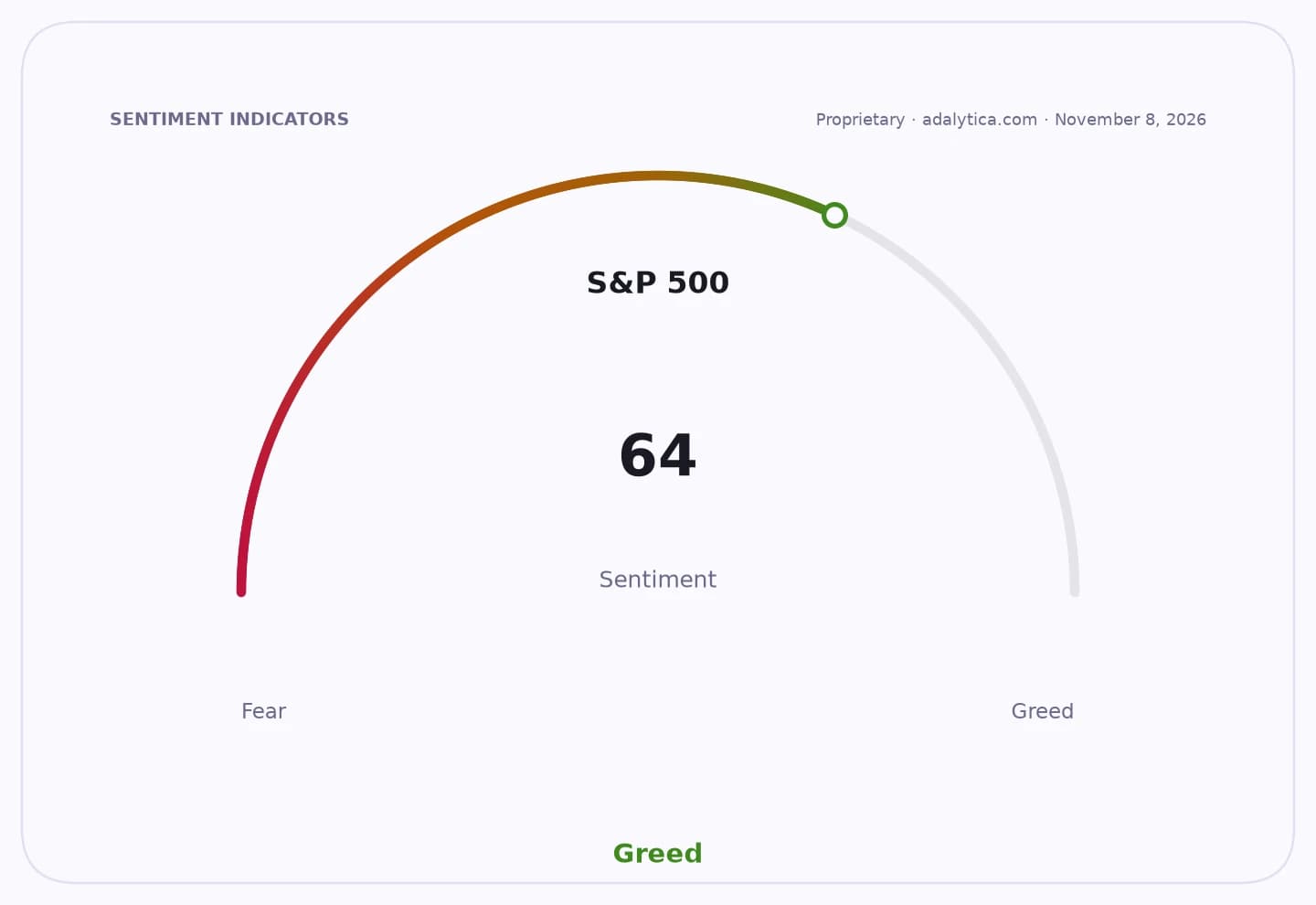
The contrast is especially important for index investors. Apple and Amazon both sit inside the Nasdaq-100 and broader U.S. market benchmarks, so the way capital is shifting between them affects not just single-stock returns but also sector leadership. With QQQ under pressure and tech breadth uneven, investors are becoming more selective about which megacap names deserve fresh money. Companies that can still raise guidance or show operating leverage look far more attractive than those explaining margin compression.
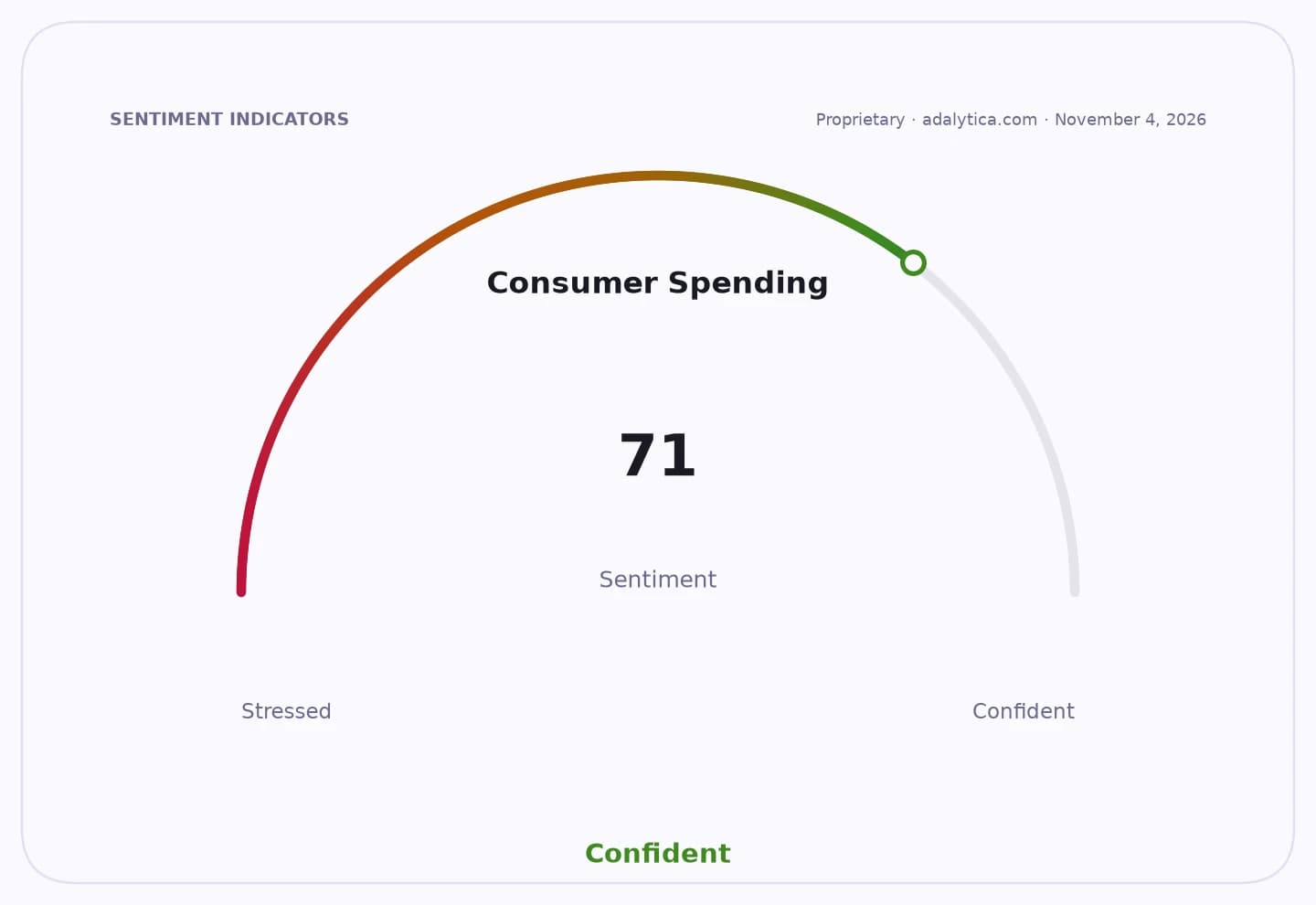
There is also a bigger macro message in the trade. Consumer sentiment tied to spending has weakened sharply, which should make investors more cautious about hardware-heavy businesses that depend on replacement cycles and premium pricing. By contrast, Amazon has exposure to e-commerce, cloud infrastructure and advertising — businesses that can keep growing even when consumers get more cautious, because they benefit from scale rather than just discretionary demand.
Apple is still a franchise investors should respect. It has enormous brand power, a loyal installed base and a services ecosystem that supports years of cash generation. But after a strong run, the bar is higher. If margins stay under pressure and services growth keeps cooling, the stock may behave more like a mature cash compounder than a fresh growth story.
Amazon, on the other hand, still looks like a company with a long runway. For patient investors, that matters more than any single quarter. The best long-term returns usually come from owning businesses that can keep widening their moat while the market periodically gives you better entry points.
For investors building wealth over five to 10 years, the takeaway is straightforward: Apple is the one to watch for consolidation, while Amazon remains the more compelling buy-the-dip candidate. If you are constructing a diversified portfolio, let this earnings split remind you to favor durable cash flow and expanding competitive advantages over brand name alone.
| Entity | Gains | Losses |
|---|---|---|
| Amazon | ▲Long-term buyers | ▼Momentum traders betting against it |
| Apple | ▲Dividend holders and existing shareholders | ▼Bulls expecting fresh upside now |
| Nasdaq-100 / QQQ | ▲Select stock pickers | ▼Passive holders of weaker megacap momentum |
| Consumers | ▲Better digital services and pricing competition | ▼Premium hardware buyers facing slower upgrades |