Stock markets turned shaky on Tuesday as investors braced for the U.S. midterm election and Apple’s warning that the AI boom is lifting its costs, not its profits.
Apple Falls on Higher Memory Costs as AI Demand Rises
That combination matters because it shows how political uncertainty and the artificial-intelligence spending frenzy are colliding in the same trade. The broad market is still near record levels, but leadership is narrowing and investors are becoming more selective about which megacap winners can keep delivering earnings growth.
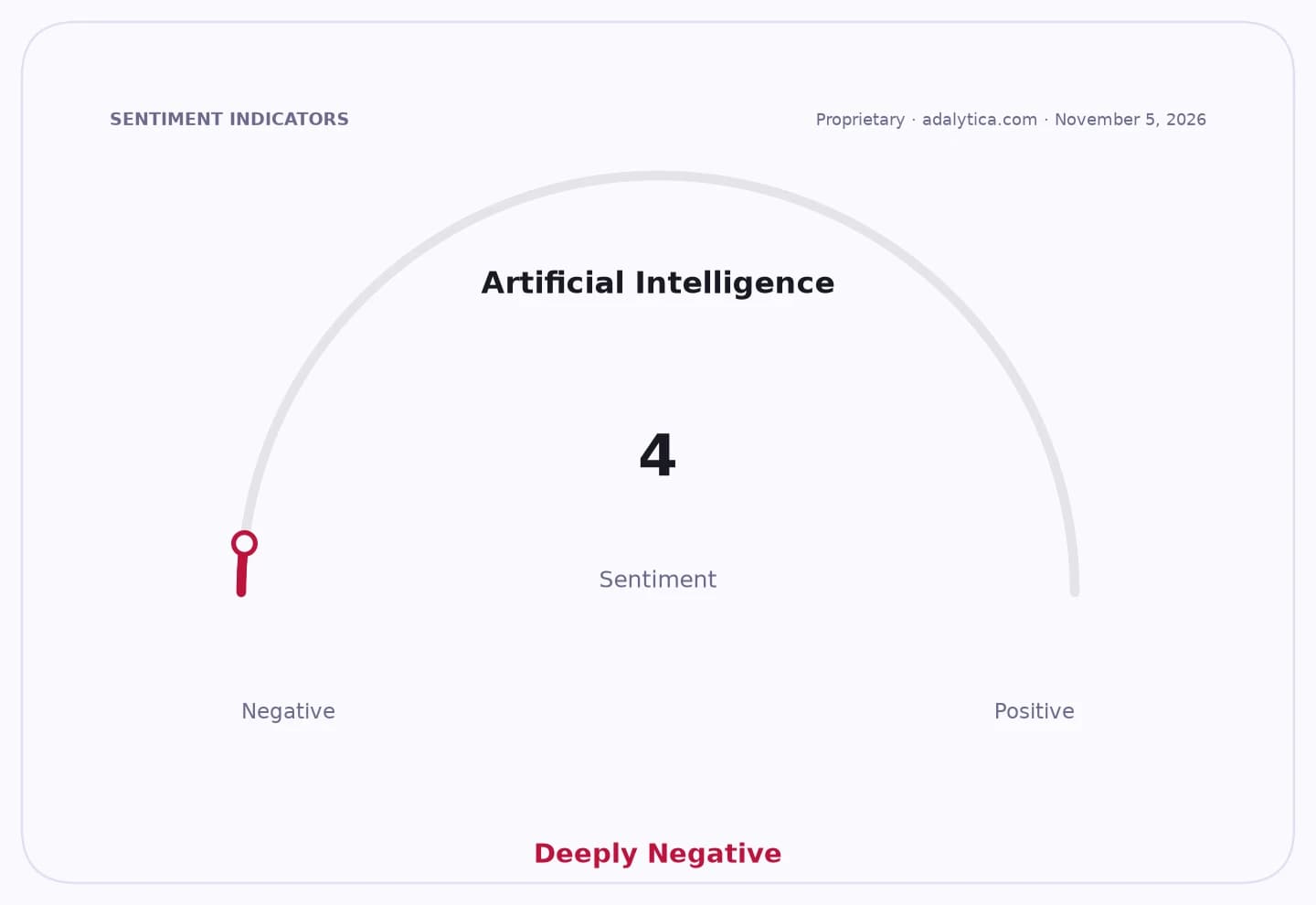
Sentiment Indicators
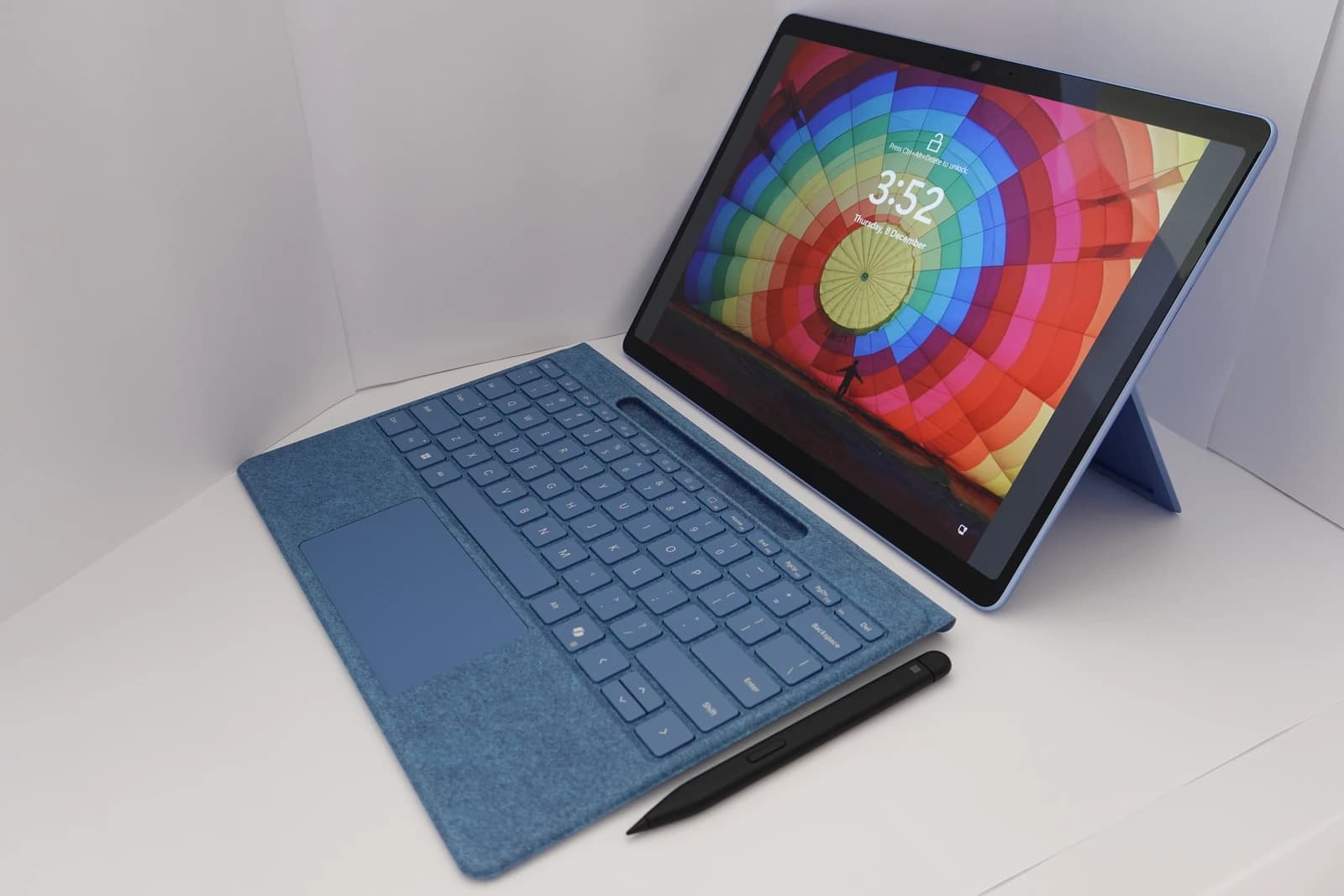
Apple fell 3.4% after saying memory-chip costs will squeeze its gross margin in the final quarter of the year, even though the iPhone maker beat profit and revenue expectations for the latest quarter. The issue is simple: the rush to build AI data centers is driving up demand for memory and storage, and that inflation is now working its way into consumer electronics supply chains. For investors, that is a warning that AI capex is no longer just a story about chipmakers and cloud providers — it is starting to bleed into the margins of companies that were supposed to be less exposed.
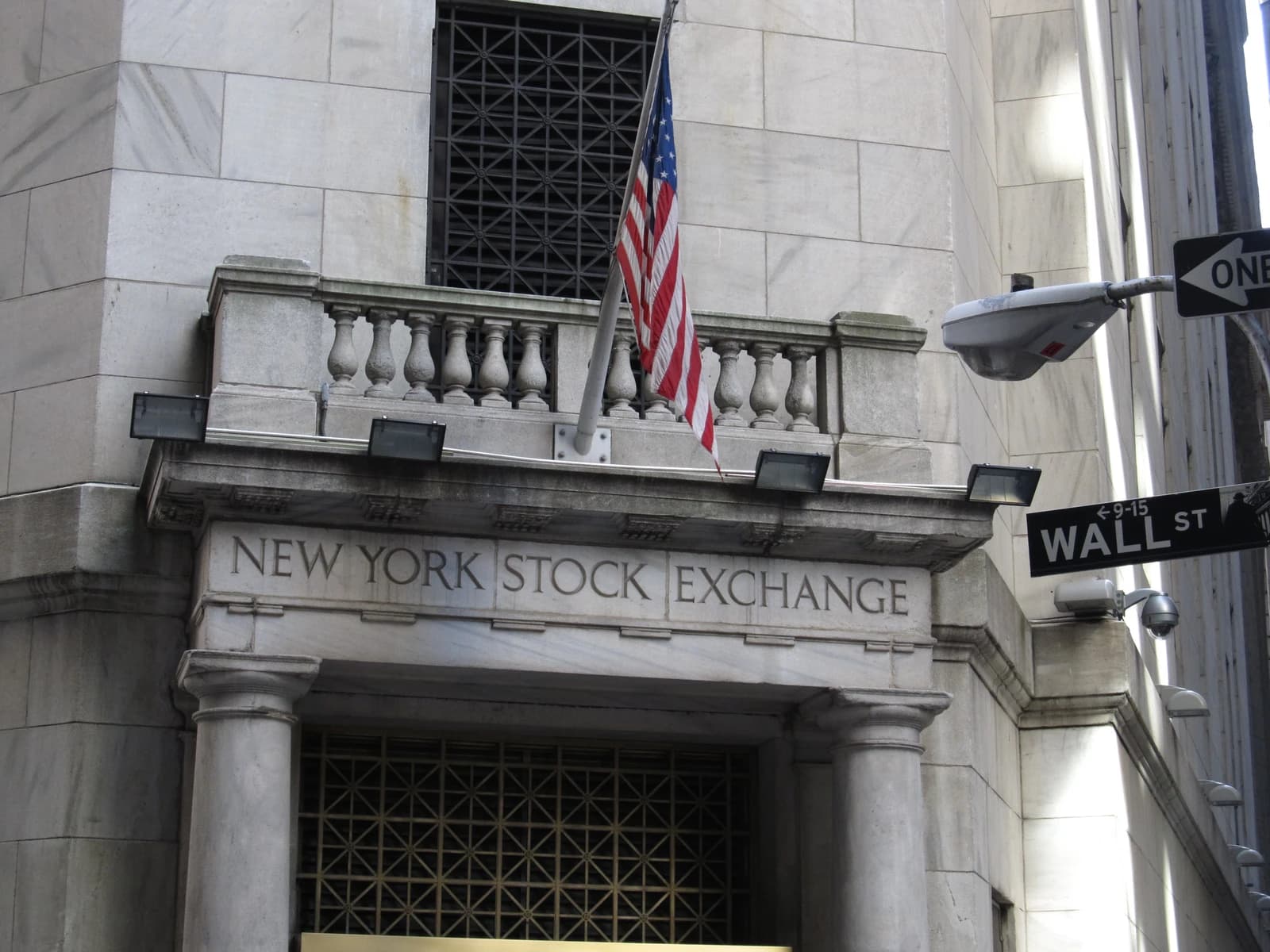
The move in Apple came as U.S. stocks traded mixed ahead of an election that could redraw the policy debate in Washington. Wall Street has generally preferred split control of Congress and the White House because it tends to reduce the odds of sweeping regulatory changes. A Democratic sweep also raises the possibility of tougher rules on AI development, even if any legislation would still face a veto from the president. In the near term, that uncertainty is enough to keep investors defensive.
The broader market reaction suggests nerves rather than panic. The S&P 500 was slightly higher in early trading even as more stocks fell than rose, while the Dow slipped and the Nasdaq outperformed. That split matters: investors are still buying AI-linked names, but they are no longer paying for every headline with the same enthusiasm. Nvidia rose 3.1% and CoreWeave gained 2.6%, showing the capital-spending theme remains intact, but the volatility around the group is telling you the market is questioning how much of the boom has already been priced in.
Apple’s weakness also highlights a second-order opportunity. If memory prices are rising because AI infrastructure is absorbing supply, the winners are likely to be the suppliers of semiconductors, storage and network equipment rather than the end users facing margin pressure. That makes this less of a broad “tech selloff” than a rotation inside tech, from consumer hardware to infrastructure enablers. Palantir’s drop, despite better-than-expected profit, reinforces the point: investors want proof that AI revenue is durable, not just a narrative.
The cleanest takeaway is that this is no longer a market where “AI exposure” alone is enough. The next leg higher belongs to companies that sell the picks and shovels of the buildout — chips, memory, networking, data-center infrastructure and the energy systems that power them — while firms exposed to cost inflation may keep getting punished even when earnings beat estimates. If the midterm outcome adds policy uncertainty on top of that, the market is likely to stay volatile, but volatility is exactly where the best long-term entries often appear.
| Entity | Gains | Losses |
|---|---|---|
| Nvidia | ▲AI capex demand | ▼None in the near term |
| CoreWeave | ▲More cloud AI spending | ▼Higher financing risk |
| Apple | ▲Strong sales base | ▼Memory-cost inflation |
| Broad tech investors | ▲Selective AI winners | ▼Margin-sensitive hardware names |