Intel’s latest forecast cut is reverberating far beyond its own shares because it points to a sharper-than-expected slump in the PC market just as the company is spending heavily on artificial intelligence and process recovery.
Intel forecast cut hits shares on weak PC demand
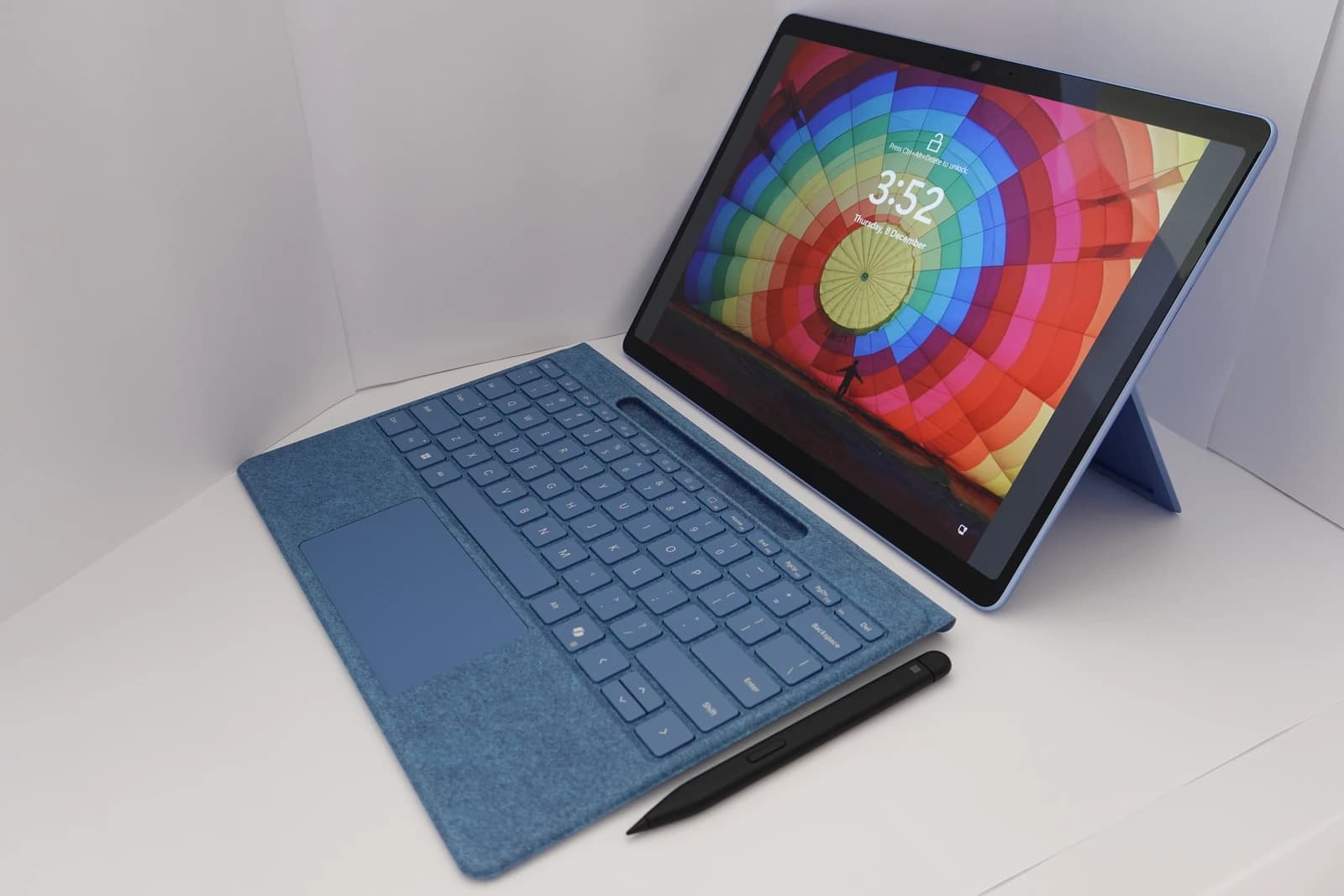
Susquehanna’s Christopher Rolland cut his price target on Intel to $75 from $105, a drop of almost 29%, while keeping a neutral rating after the company’s fourth-quarter revenue outlook came in about $1.5 billion below expectations. Intel said third-quarter results met forecasts, but investors latched onto the guidance miss and the message that PC demand is deteriorating faster than the market had anticipated.
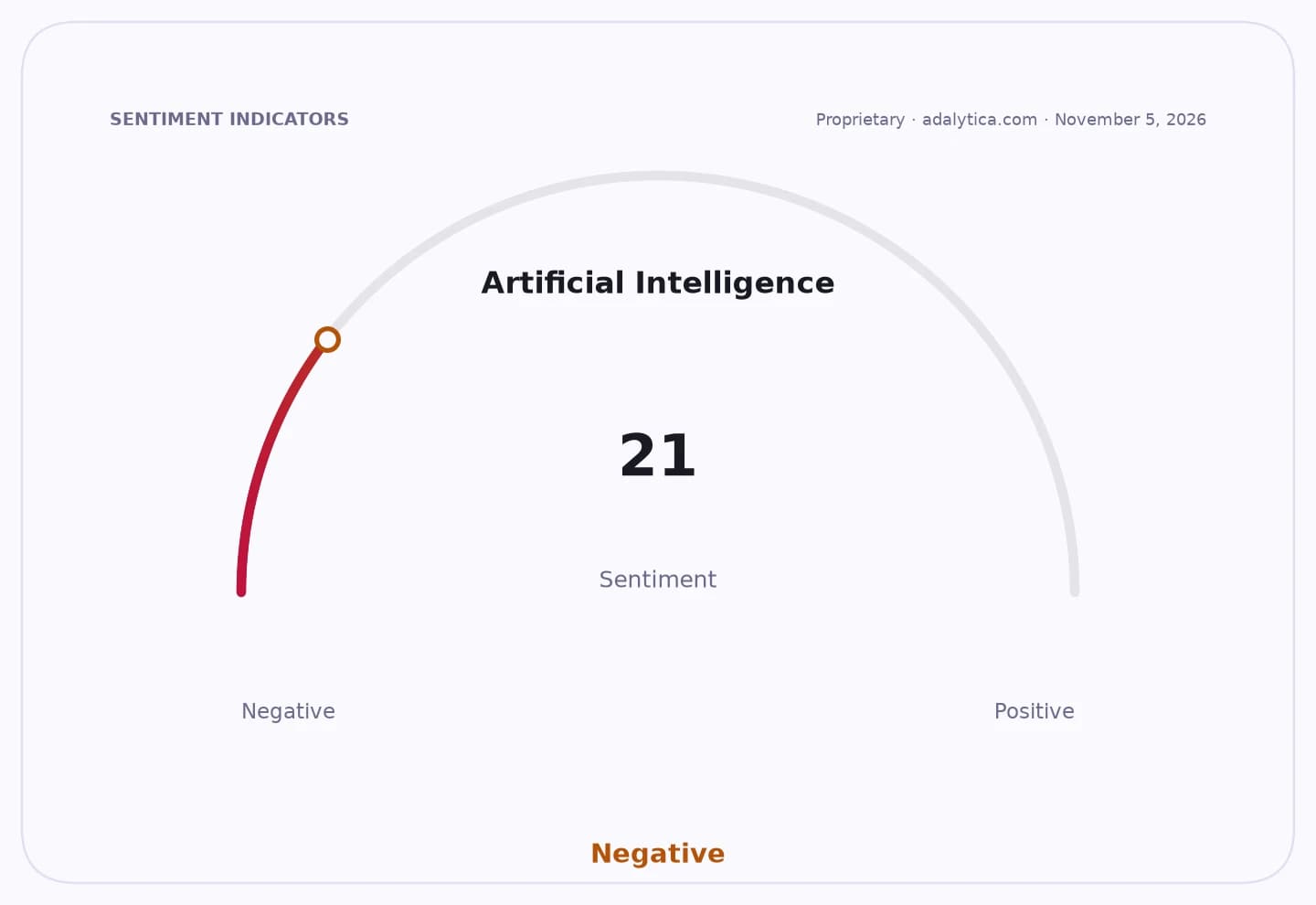
Sentiment Indicators
The stock fell sharply in response, with Intel closing around $58.27 in the latest trading session after a steep selloff that left the shares well below both their 50-day and 200-day moving averages. The move underscores how quickly sentiment can reverse in a chipmaker still trying to prove that its turnaround can coexist with rising capital intensity. Intel’s relative strength index was deep in oversold territory, a sign of panic rather than conviction, but the price action also reflects genuine concern that earnings power is being undermined by a weak core client market.
For investors, the problem is not just one quarter of soft guidance. Intel remains exposed to the PC cycle more directly than some rivals, and the latest warning suggests that traditional demand is not providing the cushion needed to absorb elevated spending on AI infrastructure and manufacturing investments. That combination matters because it pressures margins, limits free cash flow and makes it harder to argue that the stock should rerate on future growth alone.
The read-through was immediate across semiconductors and the broader equity market. Chip stocks sold off as Intel’s update fed a wider reassessment of whether AI spending is translating into returns quickly enough to justify the sector’s recent gains. The downturn also hit hardware names with PC exposure, while suppliers and rivals with stronger server and data-center businesses looked comparatively more insulated. Dell’s and HP’s share prices also reflected the strain, though their business mixes leave them less dependent on Intel’s near-term product cadence.
Susquehanna’s downgrade crystallizes the bear case: PC replacement demand is rolling over, Intel’s addressable market is shrinking in the short term and the company is still paying up for future competitiveness. The bull case is that Intel’s turnaround efforts, including process improvements and product launches, eventually stabilize the earnings base and let it participate in broader AI demand. But for now, the market is focused on a more immediate reality — weakening client demand, falling estimates and a valuation that may still be too rich if the PC downturn deepens.
What investors will watch next is whether Intel can show that fourth-quarter weakness is a temporary inventory reset or the start of a more persistent contraction. If management cannot stabilize guidance, the stock may remain under pressure and the sector may struggle to sustain its recent AI-led rally.
| Entity | Gains | Losses |
|---|---|---|
| Intel bulls | ▲turnaround optionality | ▼near-term earnings visibility |
| Intel bears | ▲lower valuation case | ▼risk of missing a rebound |
| PC suppliers | ▲clearer demand read | ▼shipment and pricing pressure |
| Rival chipmakers | ▲relative market share appeal | ▼broader sector sentiment |