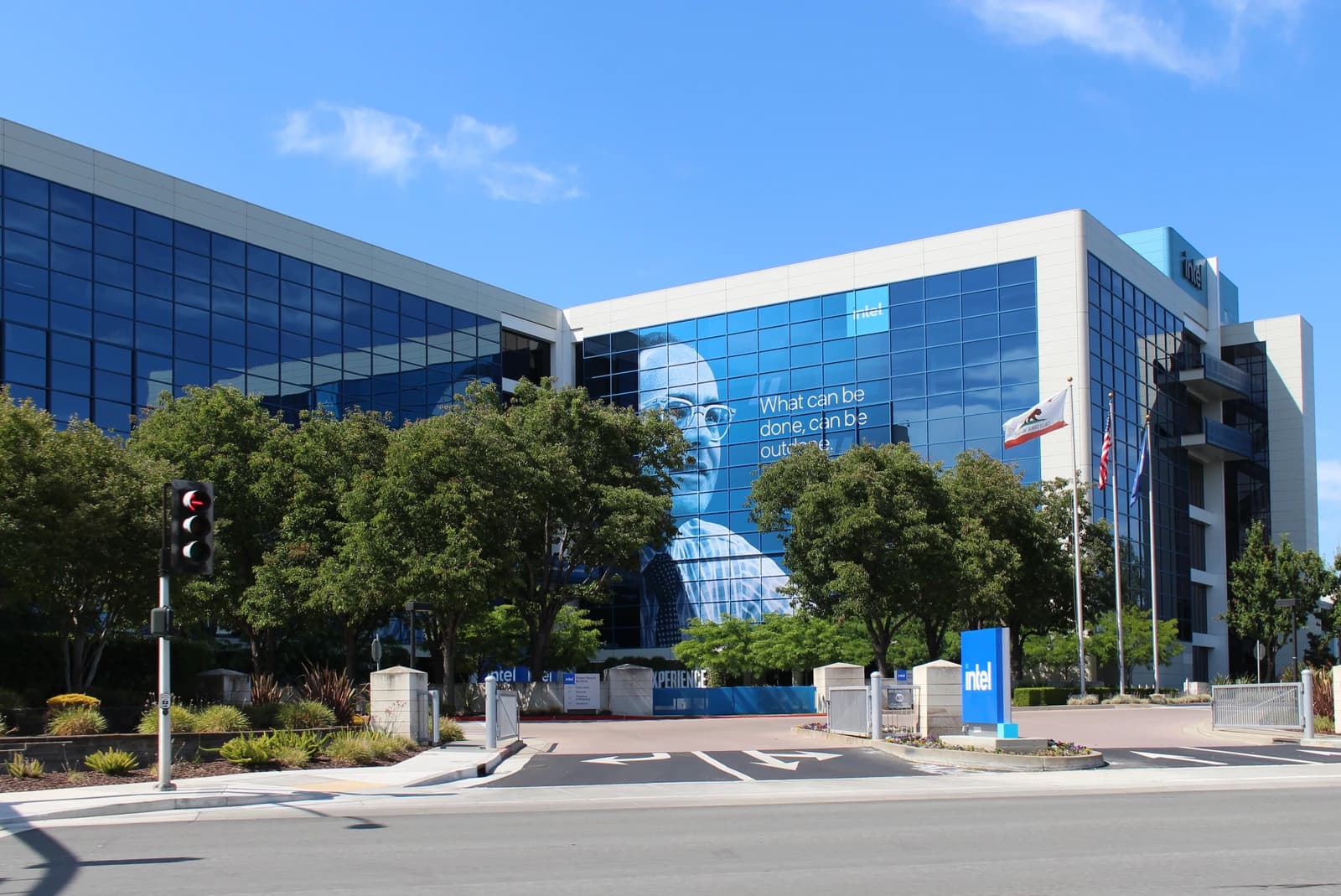
Intel is getting more Wall Street credit for its turnaround, but AMD still has the cleaner growth story in the AI-driven server market, keeping the chip stock debate tilted in AMD’s favor for investors seeking faster earnings momentum.
AMD vs Intel on AI server growth
JPMorgan on Monday upgraded Intel to Neutral from Underweight, saying the stock is moving closer to its unchanged $85 price target and that confidence in management’s turnaround is improving. Analyst Harlan Sur said the recovery will take years, but that Intel’s recent execution has been solid and that AI demand is reinforcing the case for processors beyond the GPU-heavy parts of the boom.
Sentiment IndicatorsⓘProprietary · adalytica.com · October 23, 2026
This is a snapshot — live sentiment, awareness and momentum for 130+ markets update continuously in the dashboard.Open AlphaPulse
The call matters because AI is broadening demand from training chips to the server CPUs that run and deploy models at scale. That shift is creating a bigger market for Intel and AMD, but it is also exposing how far apart the two companies remain in growth, margins and investor conviction.
AMD’s second-quarter numbers show the gap. Revenue jumped 50% to a record $11.5 billion, with data-center sales more than doubling to $6.7 billion and accounting for 58% of revenue, up from 42% a year earlier. Operating profit in the segment swung to $2.1 billion from a $155 million loss, and free cash flow rose to nearly $1.6 billion.
Intel’s top line rose 25% to $16.1 billion, its fastest pace in more than 15 years, and data-center operating profit improved to $2.5 billion from $600 million. But the company’s foundry business still lost $2.1 billion operatingly, and Intel posted a net loss of $11 billion after a $12.5 billion non-cash hit tied to shares held in trust for the U.S. Commerce Department.
For investors, that split helps explain why AMD commands the stronger Street backing. Seven of nine analysts tracked on AMD rate the stock a buy, with an average target of $585.62. For Intel, none of seven analysts tracked recommend buying the stock, and the average target sits at $101.17.
The stock charts echo the divide. Intel’s shares have been volatile and recently sat just below both the 50-day and 200-day moving averages, while AMD has outperformed materially despite a sharp pullback from its summer highs. Both remain tied to the same AI capex cycle, but AMD’s business mix and earnings leverage make it the clearer winner for investors who want exposure to that theme now, rather than to a multi-year restructuring.
Intel’s next test comes Oct. 29, when it reports third-quarter results against a revenue outlook of $15.8 billion to $16.8 billion. AMD reports Nov. 3, and investors will be looking for proof that management’s call for more than 80% second-half server-processor growth is translating into another stretch of outperformance.
| Entity | Gains | Losses |
|---|---|---|
| AMD | ▲Faster revenue growth | ▼Less room for disappointment |
| Intel | ▲JPMorgan upgrade, turnaround support | ▼Foundry losses, weak analyst backing |
| AI server buyers | ▲More processor supply options | ▼Higher competition for capacity |
| Short Intel / long AMD traders | ▲Relative-performance trade setup | ▼Rebound risk if Intel execution improves |