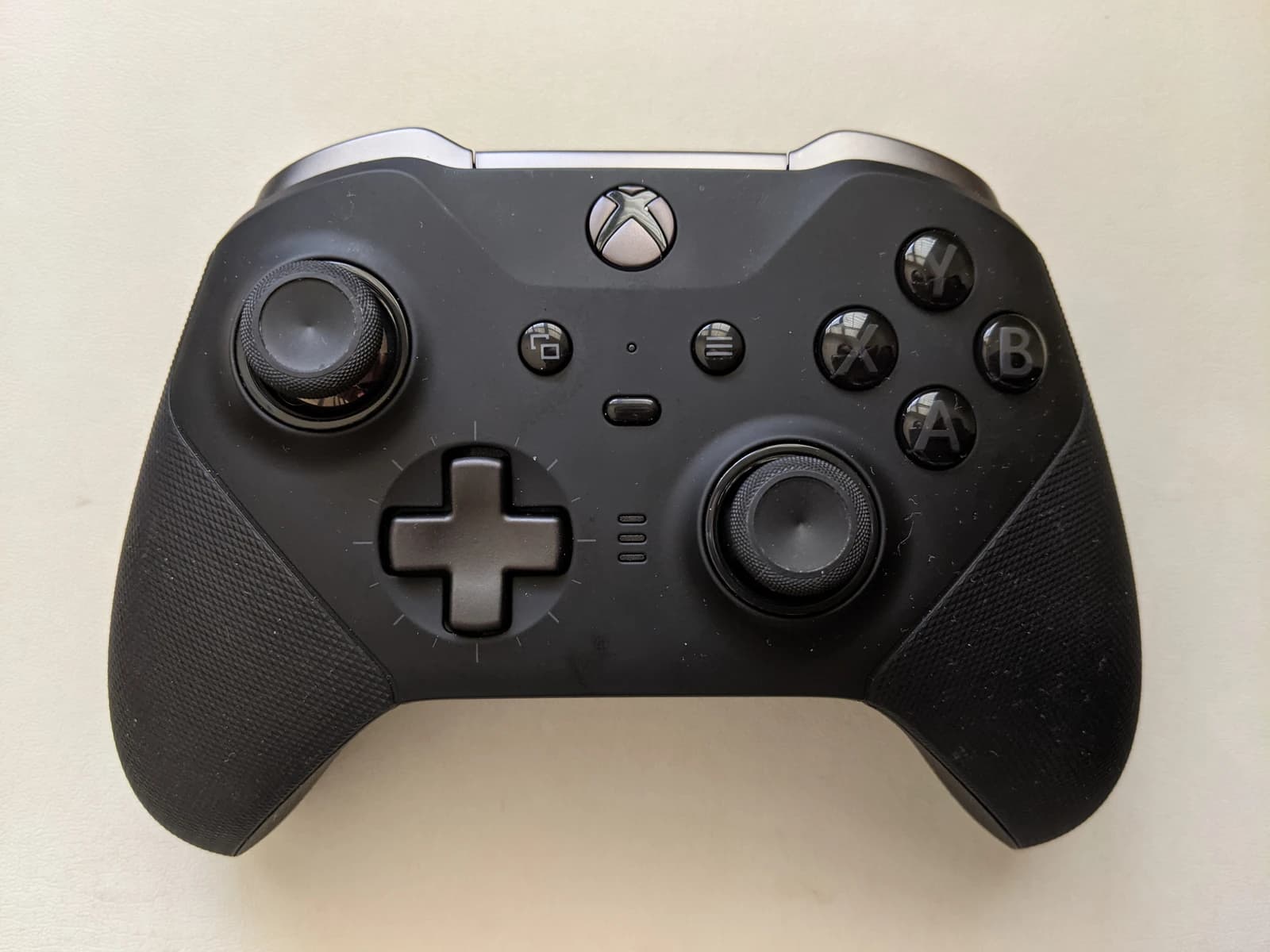
Amazon is using aggressive pricing on desktop processors to drive traffic, and the clearest sign is the AMD Ryzen 7 7800X3D dropping to an all-time low of $348 on Amazon, a $101 discount and 22% below its usual $449 tag.
Amazon Cuts AMD Ryzen 7 7800X3D to $348

That matters because CPUs are not a glamour category for Amazon — they are a high-frequency, high-intent basket where razor-thin margins can buy market share, cross-sell graphics cards, motherboards and memory, and keep shoppers inside Amazon’s hardware funnel. In a retail market still characterized by heavy comparison shopping and price transparency, these kinds of cuts are less about one processor and more about owning the customer at the exact moment a build order is being assembled.
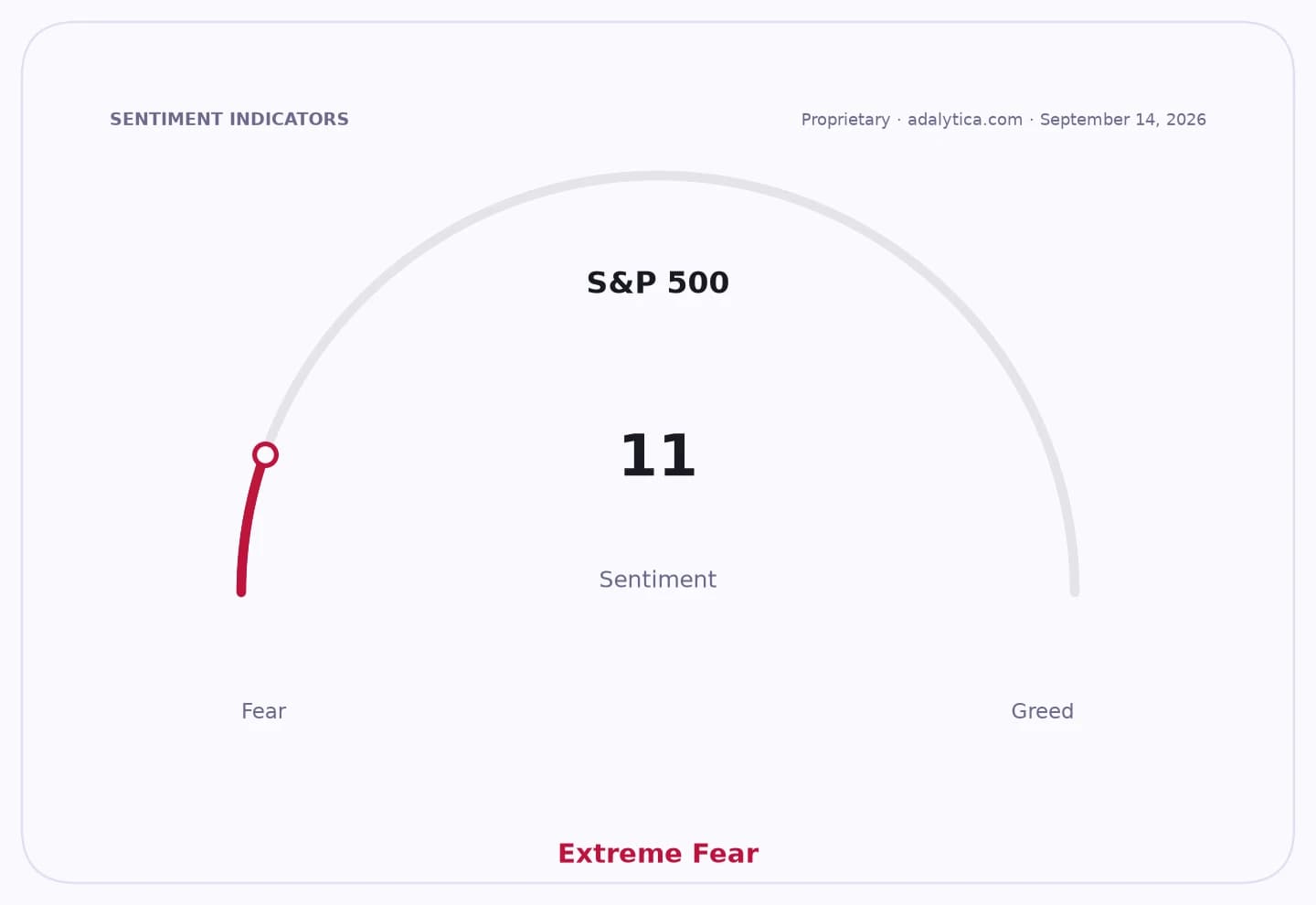
Sentiment IndicatorsⓘProprietary · adalytica.com · October 17, 2026
This is a snapshot — live sentiment, awareness and momentum for 130+ markets update continuously in the dashboard.Open AlphaPulse
For AMD, the discount is a double-edged sword. The Ryzen 7 7800X3D remains one of the most desirable gaming chips in the market thanks to its 96MB of stacked L3 cache, eight Zen 4 cores and AM5 platform support, but Amazon’s markdown also shows how quickly even premium silicon can be pulled into promotional warfare when retailers want volume. The chip’s appeal is obvious: a 5.0GHz boost clock, DDR5 and PCIe 5.0 support, built-in Radeon graphics and a 120W TDP make it a centerpiece part for gamers chasing top frame rates without moving to a much pricier flagship platform.
The bigger investment story is that AI and data-center spending is not the only compute trade worth watching. Consumer hardware is still a battleground, and the winners are often the companies that can turn individual components into ecosystem lock-in. Amazon benefits from the traffic and attach rate. AMD benefits if the promotion accelerates unit turnover and preserves the Ryzen 7 7800X3D as the default choice for premium gaming builds. The loser is the old retail margin model, where commodity-like PC parts are increasingly priced to move.
The stock action underscores the split. Amazon’s shares remain above their 200-day moving average, while AMD has been more volatile and recently slipped back toward its 50-day trend, reflecting investor caution after a sharp run earlier in the year. That gap is the opportunity: when retailers get aggressive on a hot CPU, the real trade is often in the picks-and-shovels around the build cycle — memory, storage, motherboards, power supplies and peripherals — not just the chip itself.
I believe this is the kind of pricing move the market underestimates. A near-record low on a coveted gaming CPU is a signal that PC demand is still being stimulated by promotions, and Amazon is willing to trade margin for share in one of the most searchable, comparison-driven categories online. If you want exposure, look beyond the headline chip and own the ecosystem that captures the full basket as builders upgrade into the AM5 platform.
| Entity | Gains | Losses |
|---|---|---|
| Amazon | ▲traffic and basket expansion | ▼short-term hardware margin |
| AMD | ▲unit volume and platform adoption | ▼pricing power on premium CPUs |
| PC builders/gamers | ▲lower entry cost | ▼less room for future discounts |
| Retail rivals | ▲little | ▼share to Amazon |