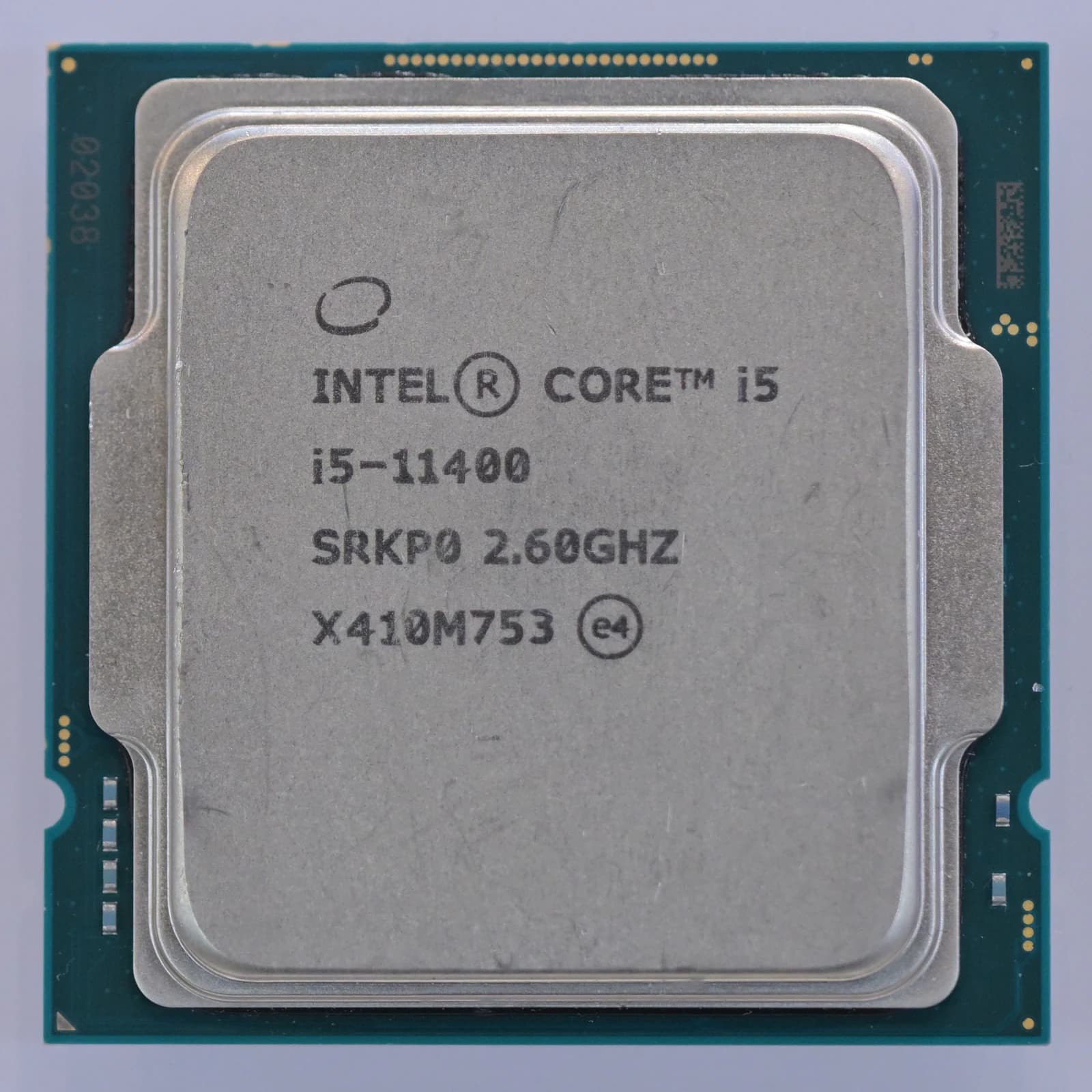
Buying used processors is getting riskier for PC gamers because Riot Games’ anti-cheat system can carry a hardware ban over to the next owner, turning a secondhand AMD chip into an instant liability. The issue matters because it creates a resale-market discount on used CPUs and graphics cards, while also strengthening the power of game publishers’ anti-cheat enforcement.
Riot hardware bans raise used AMD CPU risk
A recent case highlighted by PCWorld involved a Reddit user who bought a used AMD Ryzen 7 5800X3D that worked normally until Valorant immediately closed on launch. Riot Games support later said the processor had previously been used by a cheater banned in August, and Riot Vanguard had marked the rest of the PC’s components as cheat-linked hardware.
Sentiment IndicatorsⓘProprietary · adalytica.com · October 6, 2026
This is a snapshot — live sentiment, awareness and momentum for 130+ markets update continuously in the dashboard.Open AlphaPulse
The story cuts beyond one unlucky buyer. Anti-cheat systems increasingly identify not just IP addresses but individual components such as CPUs, GPUs, SSDs, motherboards and network adapters, and buyers generally have no way to know whether a used part is tied to a hardware ban before they pay for it. That raises friction in the secondary market for used PC parts, where price transparency and trust are central to demand.
For investors, the immediate read-through is more subtle but still important. AMD’s shares have surged to $631.75, up sharply from $220.27 in late March, while technical gauges such as the 50-day moving average and RSI readings show the stock extended after a powerful run. Nvidia has also climbed, closing at $238.90 on Oct. 5 after a steady advance, while Intel has been volatile but remains well above its spring lows.
The used-hardware problem is unlikely to move those stocks on its own, but it reinforces how deeply gaming software and hardware ecosystems are intertwined. If hardware bans become more visible, they could weaken secondary-market demand for older CPUs and GPUs, while nudging more buyers toward new parts from AMD, Nvidia and Intel rather than taking a chance on used inventory.
That leaves the key variable with Riot, not the chipmakers: how broadly anti-cheat software is willing to track hardware signatures, and whether the resale market starts pricing in the risk. Any further cases could accelerate pressure on used-component sellers and sharpen scrutiny of hardware-ban policies across competitive gaming.
| Entity | Gains | Losses |
|---|---|---|
| Riot Games / Vanguard | ▲Stronger anti-cheat enforcement | ▼More backlash from legitimate buyers |
| New PC parts buyers | ▲Lower risk from used hardware | ▼Higher prices for fresh components |
| Used CPU / GPU sellers | ▲Faster clearance if disclosed | ▼Bigger trust discount and returns |
| AMD / Nvidia / Intel | ▲Potential lift to new-unit demand | ▼Less attractive resale ecosystem |