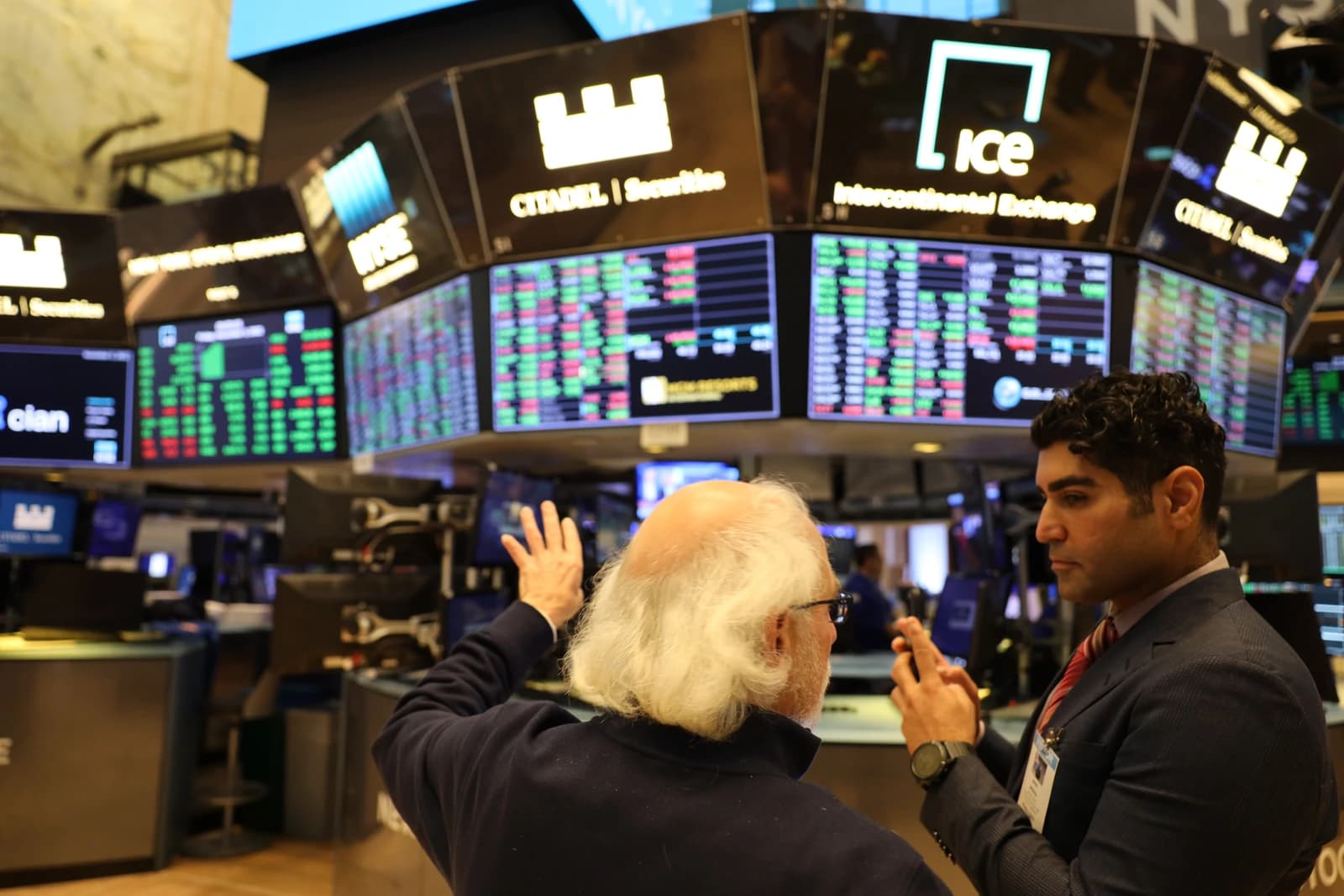
Nvidia, AMD and Intel were volatile in pre-market trade as investors paused after Monday’s 4.3% surge in the Philadelphia Semiconductor Index and reset positions ahead of a Trump-Xi meeting that could reshape chip trade and supply chains.
Nvidia, AMD and Intel Volatile Before Trump-Xi Meeting
That matters because semiconductors have become one of the market’s cleanest expressions of the AI boom, but they are also among the most geopolitically exposed. When the sector rallies hard and then stalls, it usually means the market is trying to price two forces at once: accelerating demand for AI infrastructure and the risk that Washington and Beijing could alter the rules around exports, sourcing and market access.
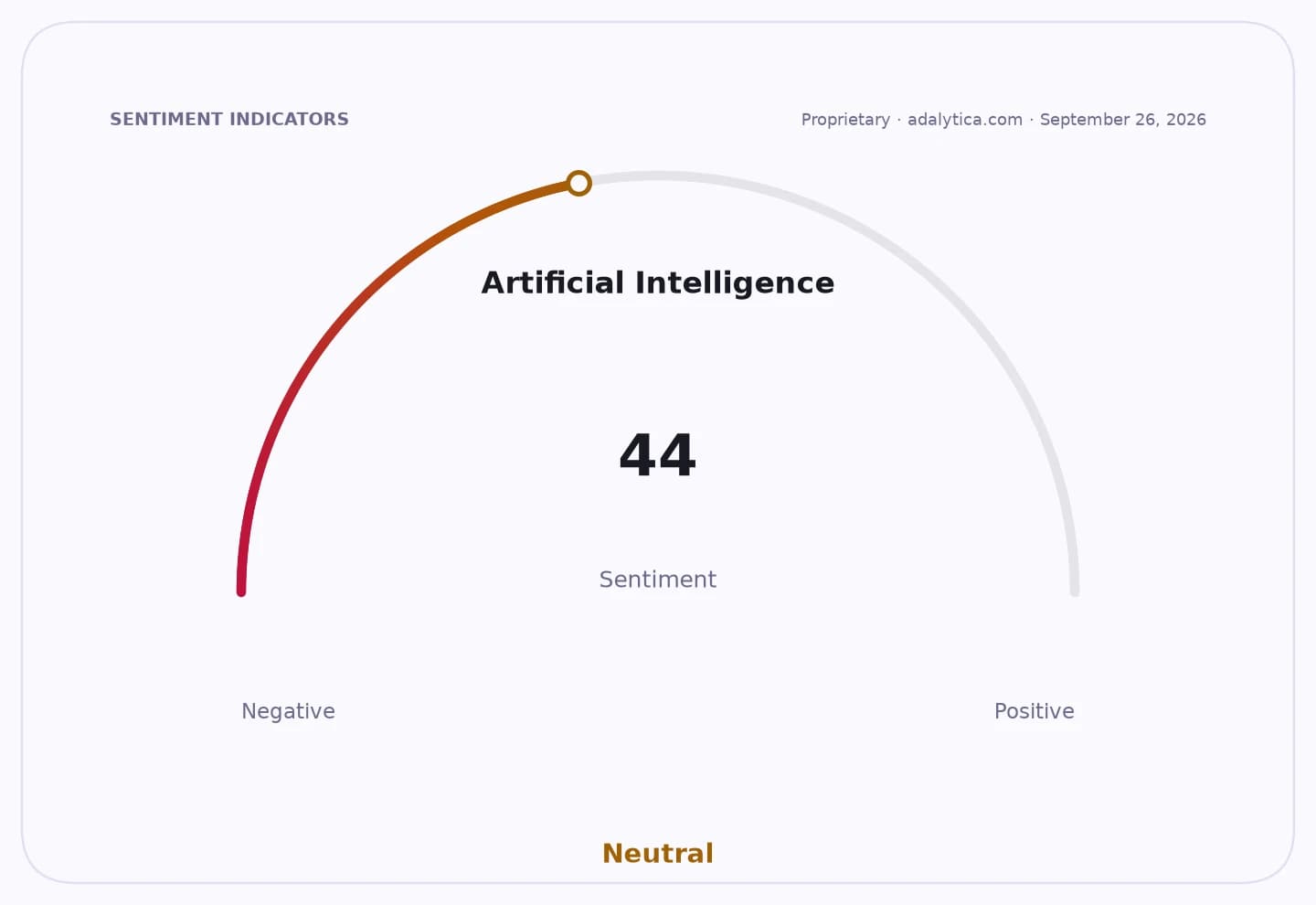
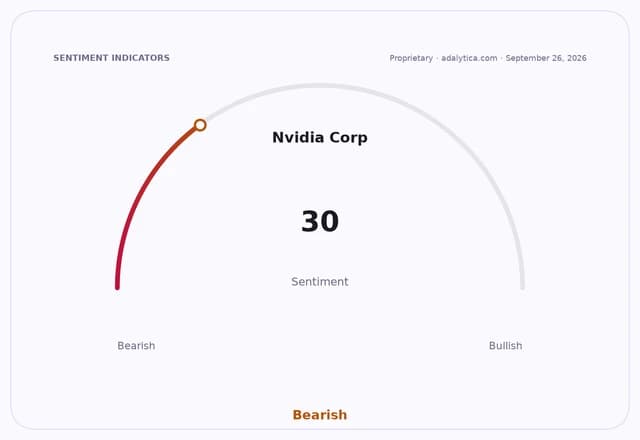
Sentiment IndicatorsⓘProprietary · adalytica.com · September 26, 2026
This is a snapshot — live sentiment, awareness and momentum for 130+ markets update continuously in the dashboard.Open AlphaPulse
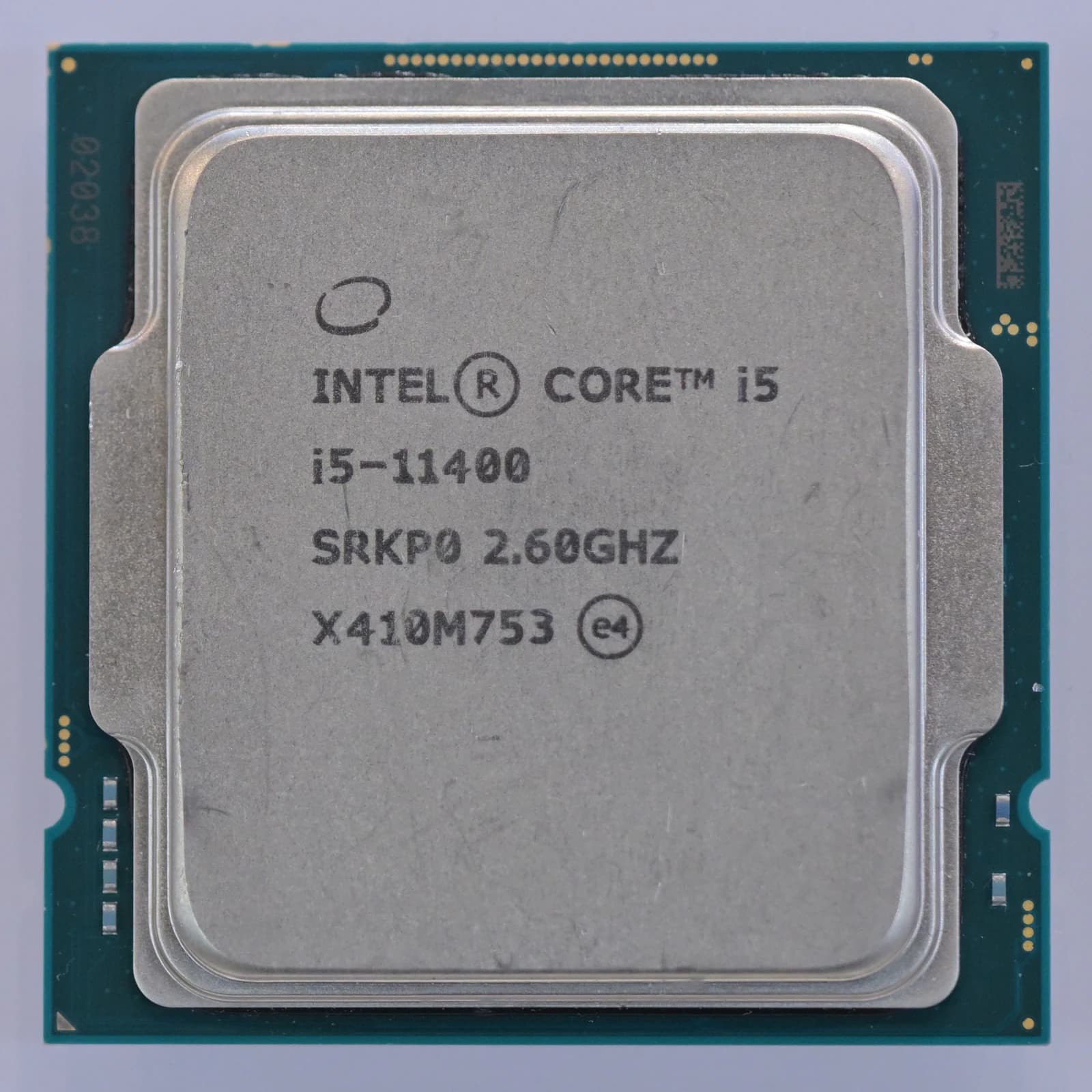
AMD was down about 0.5% in early trade, while Nvidia and Intel briefly slipped before edging higher, underscoring that the latest move is less about company-specific fundamentals than about how much of Monday’s enthusiasm can hold. The SOX index’s jump reflected broad appetite for chip names after recent AI-linked developments lifted expectations for server processors and data-center demand. Intel, in particular, has benefited from comments from CEO Lip-Bu Tan that the company can meet only about half of current customer demand for CPUs, a signal that AI workloads are pulling more processing power into the market beyond GPUs.
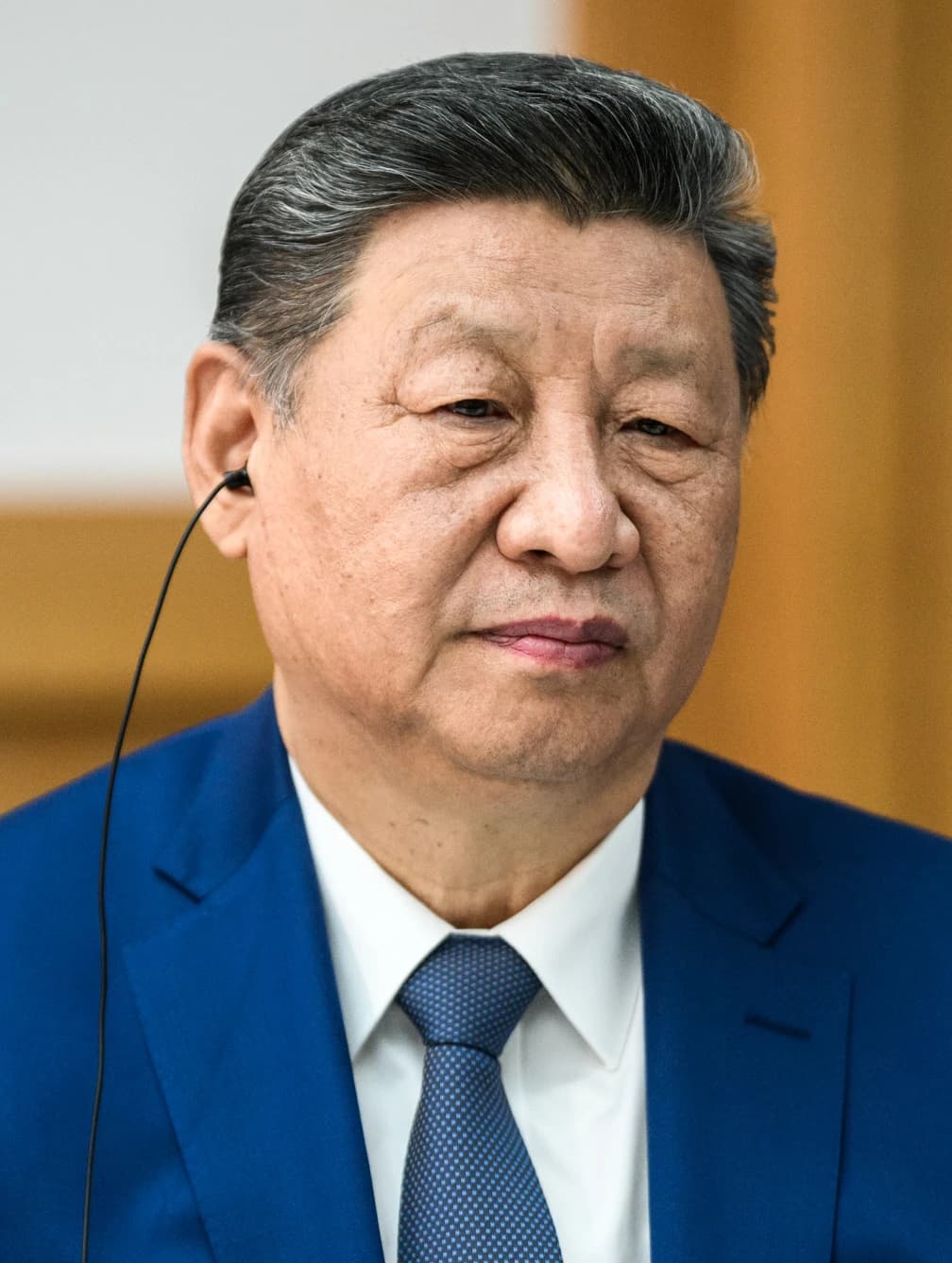
But the trade backdrop is what gives this move real weight. President Donald Trump and Chinese President Xi Jinping are set to meet on Sept. 24, with semiconductor supply chains expected to be on the agenda. Any shift in export rules, licensing or China access would hit the economics of the entire group, especially Nvidia, which already faces restrictions on advanced AI chip sales in China. AMD and Intel are less exposed to Nvidia’s flagship AI GPU business, but both still depend on a global supply chain and on end-market demand that can be disturbed quickly by policy.
Nvidia Corp — 30-day sentimentadalytica.com
Explore this data interactively — full history, time series and cross-market comparisons.Open AlphaPulse
China’s own push for domestic chip capability is adding another layer of pressure. Alibaba’s new Zhenwu V900 AI chip is the latest sign that Beijing is continuing to build substitutes for U.S. technology, a trend that could sharpen competition over time and reduce reliance on American suppliers. For investors, that means the winners are likely to be those with the strongest technology moat, the deepest AI infrastructure exposure and the least dependence on unrestricted China sales.
The technical picture also shows why traders are uneasy. Nvidia remains above its 50-day and 200-day moving averages, but its recent pullback from overbought territory suggests the stock is digesting gains rather than breaking out. AMD has staged a powerful run and is still extended, while Intel’s violent swings reflect a stock being repriced around AI optionality rather than legacy PC demand. In other words, this is not a sector that is quietly consolidating; it is one that is being forced to revalue every new headline.
My view is that the market is still underestimating the second-order winners from this chip cycle. The obvious names will remain volatile, but the broader trade points to continued capex into AI compute, server processors, networking and power infrastructure. If the Trump-Xi meeting eases tension, the high-beta semiconductor basket can extend higher. If it tightens restrictions, investors will likely rotate toward the picks-and-shovels names that sell into the AI buildout without the same China overhang.
For now, the message is simple: buy the infrastructure, respect the geopolitical risk, and expect semiconductor volatility to stay elevated until the U.S.-China chip frame is clearer.
| Entity | Gains | Losses |
|---|---|---|
| Nvidia | ▲AI demand tailwind | ▼China export restrictions |
| AMD | ▲CPU/server demand | ▼Sector de-risking |
| Intel | ▲AI processor exposure | ▼Trade-policy uncertainty |
| China chipmakers | ▲Domestic substitution push | ▼Reliance on U.S. tech |