The U.S. is tightening the screws on one of the most important fault lines in the global economy: access to advanced AI chips.
U.S. Charges California Man in AI Chip Smuggling Case

Federal prosecutors said a California businessman has been arrested and charged with smuggling more than $300 million of computer hardware used for artificial intelligence to China, a case that underscores how valuable Nvidia-style processors have become in the technology race between Washington and Beijing. Authorities allege Greg Lui, also known as Yiu Kong Lui, used fake paperwork and shipments routed through third countries to move export-controlled servers to China through his company, Earthmade Computer Inc.
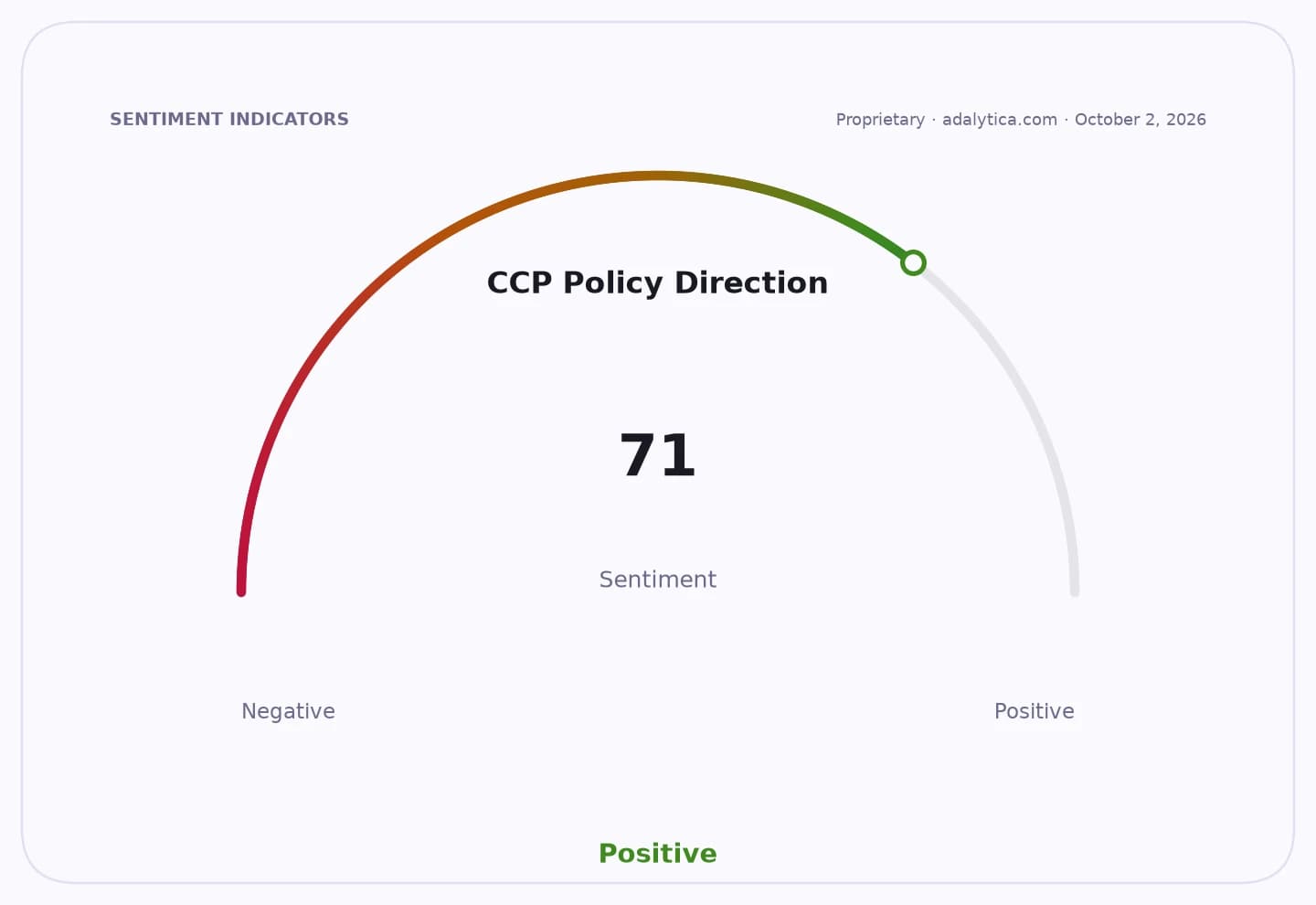
Sentiment IndicatorsⓘProprietary · adalytica.com · October 2, 2026
This is a snapshot — live sentiment, awareness and momentum for 130+ markets update continuously in the dashboard.Open AlphaPulse
That matters far beyond one criminal case. Washington has spent years trying to slow China’s access to the high-end semiconductors that power frontier AI models, military applications and data centers. If prosecutors are right, the alleged scheme shows how strong the demand remains on the other side of the controls — and how determined buyers and middlemen are to work around them.
For investors, the story cuts both ways. It is another reminder that the AI boom is now shaped as much by geopolitics as by earnings. Nvidia and other chipmakers have already warned that export restrictions can hurt sales and encourage foreign customers to turn to non-U.S. suppliers. The latest case reinforces the idea that the market for advanced GPUs is still enormous, but also vulnerable to policy risk, licensing bottlenecks and enforcement crackdowns.
The allegation also highlights a broader shift in the AI supply chain. According to the Justice Department, the servers were shipped to places such as Malaysia and Singapore, where no U.S. license was required, before being re-exported illegally to China between 2023 and 2024. That is the kind of routing that makes export enforcement difficult and expensive, and it is exactly why U.S. officials keep broadening oversight of chips, servers and the networking gear that connects them.
For long-term investors, the takeaway is not to chase headlines, but to respect the moat that U.S. chip leaders still have — and the political overhang they face. Demand for AI infrastructure remains powerful, as the big trends in cloud computing and model training continue to expand. But the winners are likely to be the companies that can keep shipping through a shifting regulatory maze, while diversified portfolios absorb the noise.
This is the kind of development that can add volatility in the near term, but it does not change the long-term case for AI infrastructure. If anything, it shows how strategically important the technology has become. Investors should keep watching the enforcement side of the story, because it can affect who gets access, who gets paid and which suppliers ultimately dominate the next decade of AI spending.
| Entity | Gains | Losses |
|---|---|---|
| U.S. prosecutors | ▲stronger enforcement | ▼smuggling networks |
| Nvidia and U.S. chipmakers | ▲tighter control of high-end demand | ▼lost sales to diverted shipments |
| China buyers | ▲continued access, if smuggling succeeds | ▼slower legal access to frontier AI chips |
| Long-term AI investors | ▲clearer moat around scarce hardware | ▼policy-driven volatility |