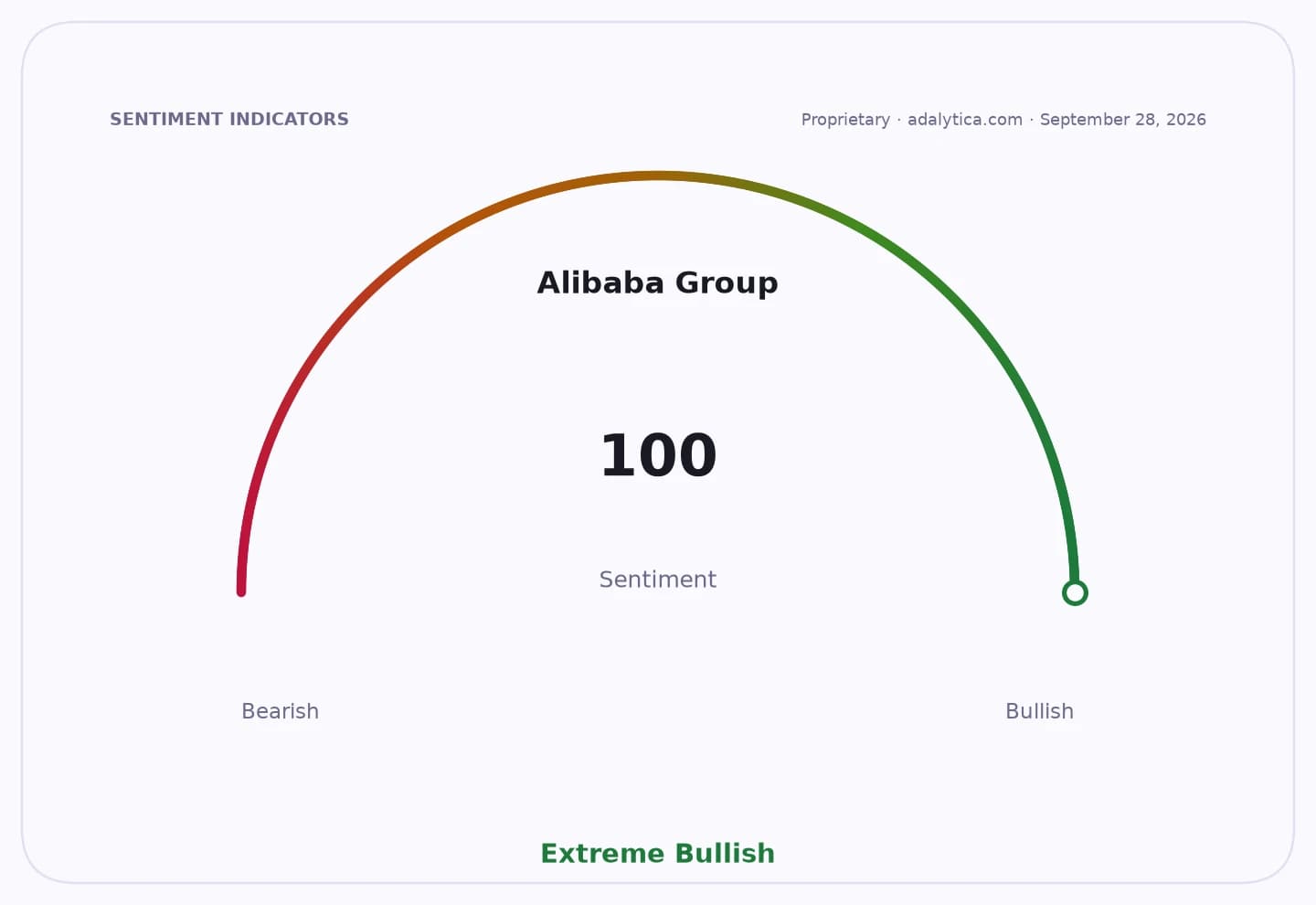
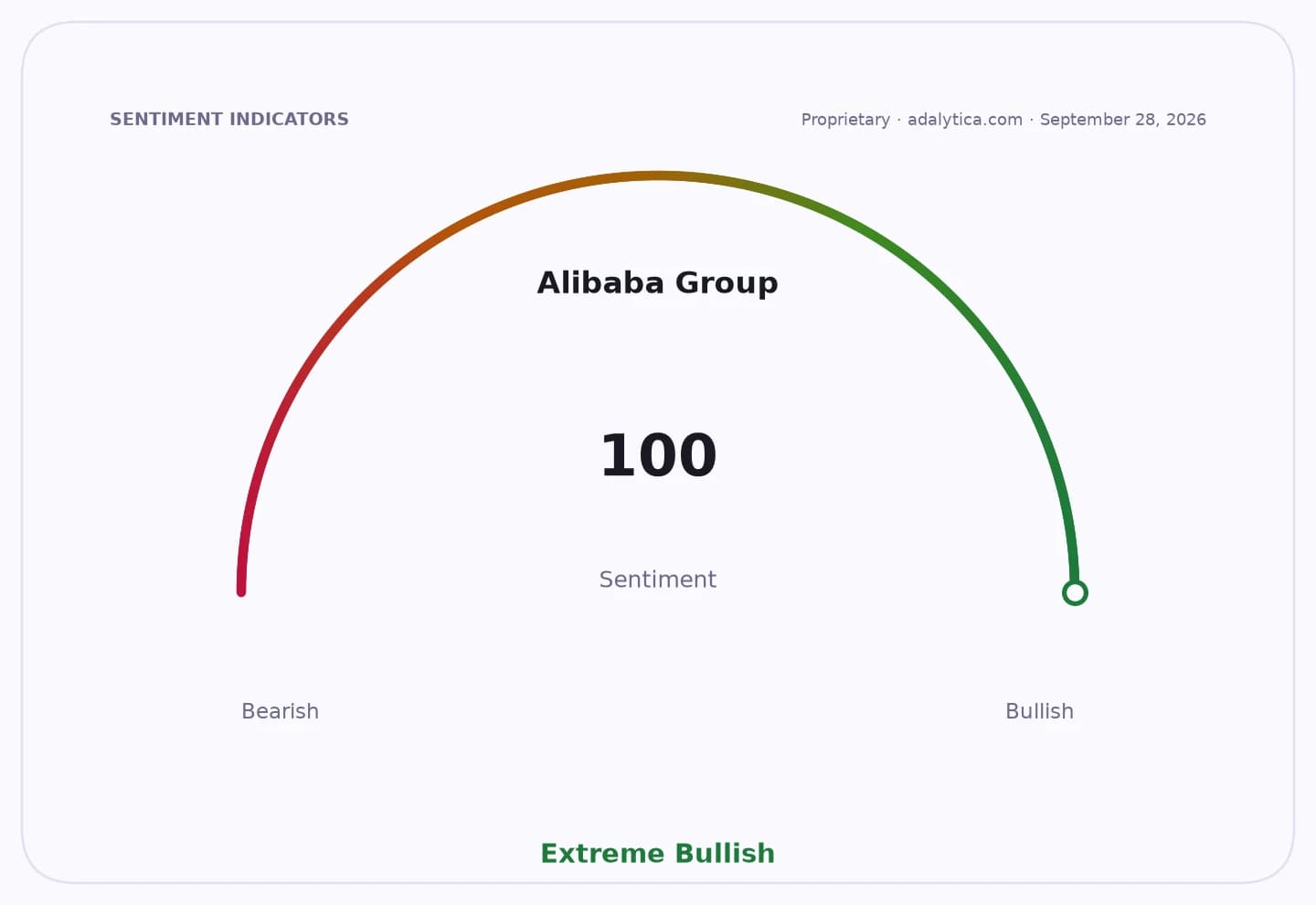
Alibaba has introduced Zhenwu V900, what it calls China’s most powerful artificial intelligence chip, and the move matters because it shows the company is no longer treating AI as a software story alone. It is building the hardware stack to support its own models, its cloud business and, potentially, a much bigger role in China’s push to reduce dependence on U.S. chipmakers.
Alibaba unveils Zhenwu V900 AI chip
For investors, that is the real story. Alibaba is trying to turn AI from a cost center and a strategic necessity into a long-duration growth engine. The new accelerator is designed to train and run very large models, with 216 GB of GPU memory, 1,200 GB per second of chip-to-chip bandwidth and the ability to scale across supernode clusters of up to 500,000 cards. Chief executive Eddie Wu said it delivers three times the performance of the previous M890 chip, and the company pulled forward mass production and commercial rollout to the first quarter of 2027 from the third quarter.
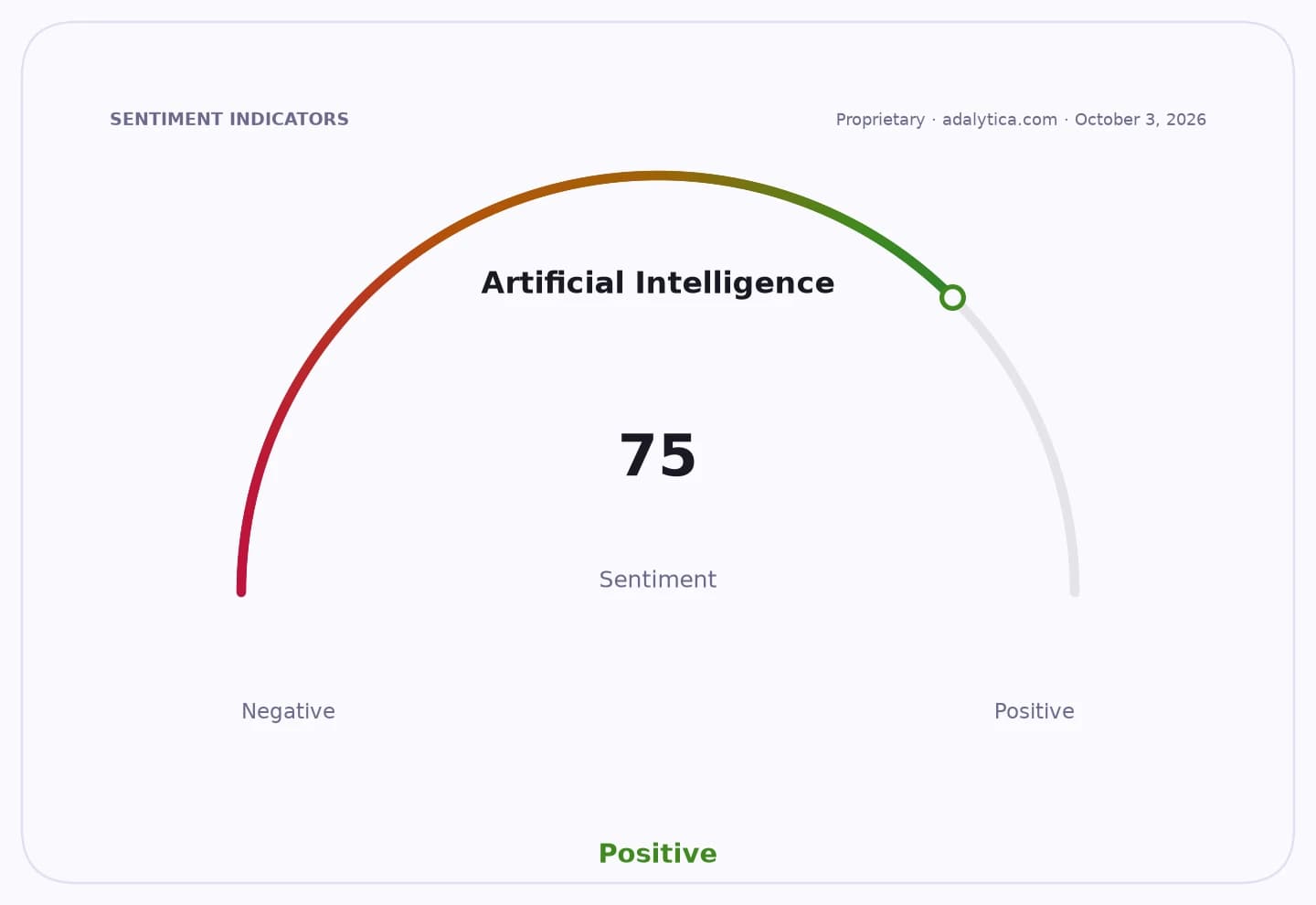
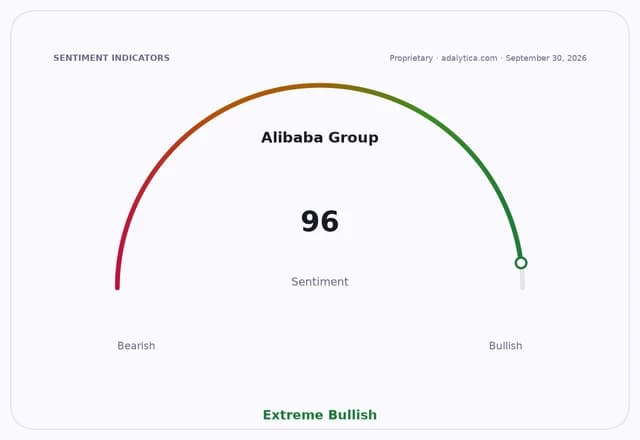
Sentiment IndicatorsⓘProprietary · adalytica.com · September 30, 2026
This is a snapshot — live sentiment, awareness and momentum for 130+ markets update continuously in the dashboard.Open AlphaPulse
That timing matters. In AI, speed is a competitive advantage. If Alibaba can get its own silicon into production sooner, it can lower its dependence on scarce foreign chips, improve the economics of running Qwen models and strengthen Alibaba Cloud’s appeal to Chinese customers that want domestic alternatives. The company also said Qwen 4 is already in active training, with future versions of the model family still coming, which suggests Alibaba is trying to build the kind of flywheel investors love: better chips, better models, more cloud demand, and eventually better margins.
The broader economic significance is hard to miss. China’s technology sector is operating under tighter supply chains and heavier geopolitical pressure, yet Alibaba is talking about a path to more than 20 gigawatts of data-center capacity by 2032. That is not just a product launch; it is an industrial-scale bet on AI infrastructure. It also fits Beijing’s broader strategic aim of building homegrown computing capacity in a field where the best semiconductors have become a national priority.
For U.S. investors, the announcement is a reminder that the AI buildout is not a one-company story and not even just a U.S.-led one. Nvidia remains the benchmark, and its chip business still sits at the center of global AI spending, but Alibaba’s move shows Chinese cloud and internet companies are serious about developing domestic substitutes. That could gradually reshape demand patterns in China, even if the most advanced chips are still hard to match.
Alibaba shares have already had a volatile run, and conventional technical indicators suggest the stock has been rebuilding momentum after a soft patch. But the long-term case here rests less on chart action than on whether Alibaba can convert its AI spending into durable earnings growth. The upside is obvious if it works: stronger cloud economics, a more competitive Qwen ecosystem and a bigger stake in China’s AI infrastructure buildout. The risk is equally clear: the chip may be powerful, but execution, supply constraints and competition from better-capitalized rivals will decide how much value Alibaba actually captures.
Still, this is the kind of development long-term investors should pay attention to. Alibaba is showing it wants to own more of the AI stack, not just rent it. If the company can keep shipping better chips, improve its models and scale cloud capacity, the payoff could compound for years. Worth watching, and for patient investors, potentially worth adding to the watchlist.
| Entity | Gains | Losses |
|---|---|---|
| Alibaba | ▲More AI control | ▼Higher capital demands |
| Chinese cloud customers | ▲Domestic chip supply | ▼Less access to U.S. chips |
| Nvidia | ▲Global AI demand tailwind | ▼China hardware share |
| U.S. chip rivals | ▲Faster China competition | ▼Fewer easy China sales |