Huawei is turning U.S. sanctions into a blueprint for China’s AI chip industry, positioning itself as the central platform linking domestic chipmakers, model developers and equipment suppliers in a direct challenge to Nvidia’s dominance. For investors, the bigger story is not just Huawei’s comeback — it is that Beijing’s push for semiconductor self-sufficiency is getting a scale anchor with enough buying power to reshape the market.
Huawei Builds China AI Chip Ecosystem

Huawei’s ambition, laid out by board chairman Guo Ping, is to become the “Nvidia of China” by supporting customers building stronger AI models and by tying those models to its own Ascend hardware and software stack. That matters because Nvidia’s moat is not just chips, but the ecosystem around CUDA; Huawei is trying to build a local equivalent around Ascend while insulating Chinese AI developers from U.S. export controls.
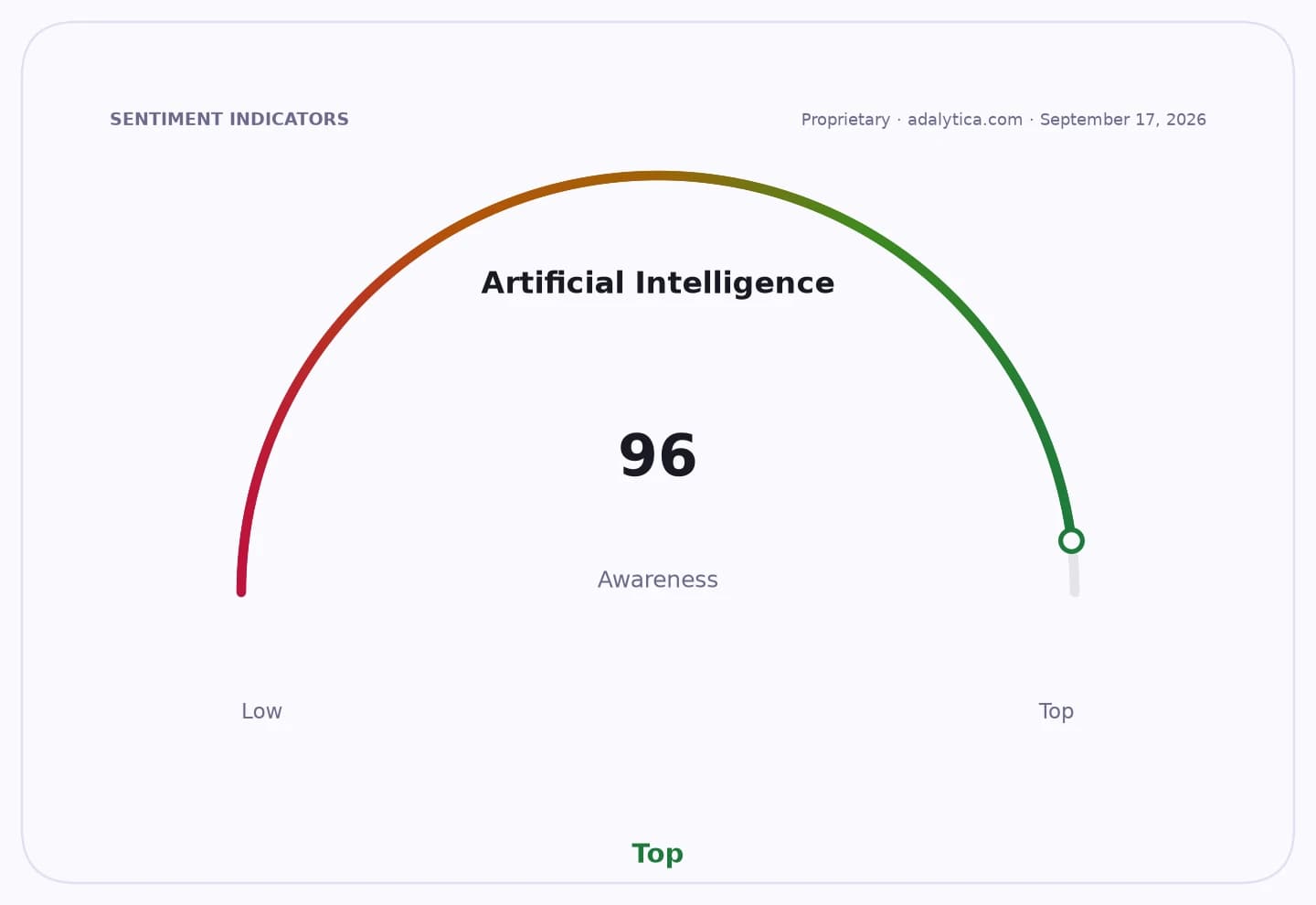
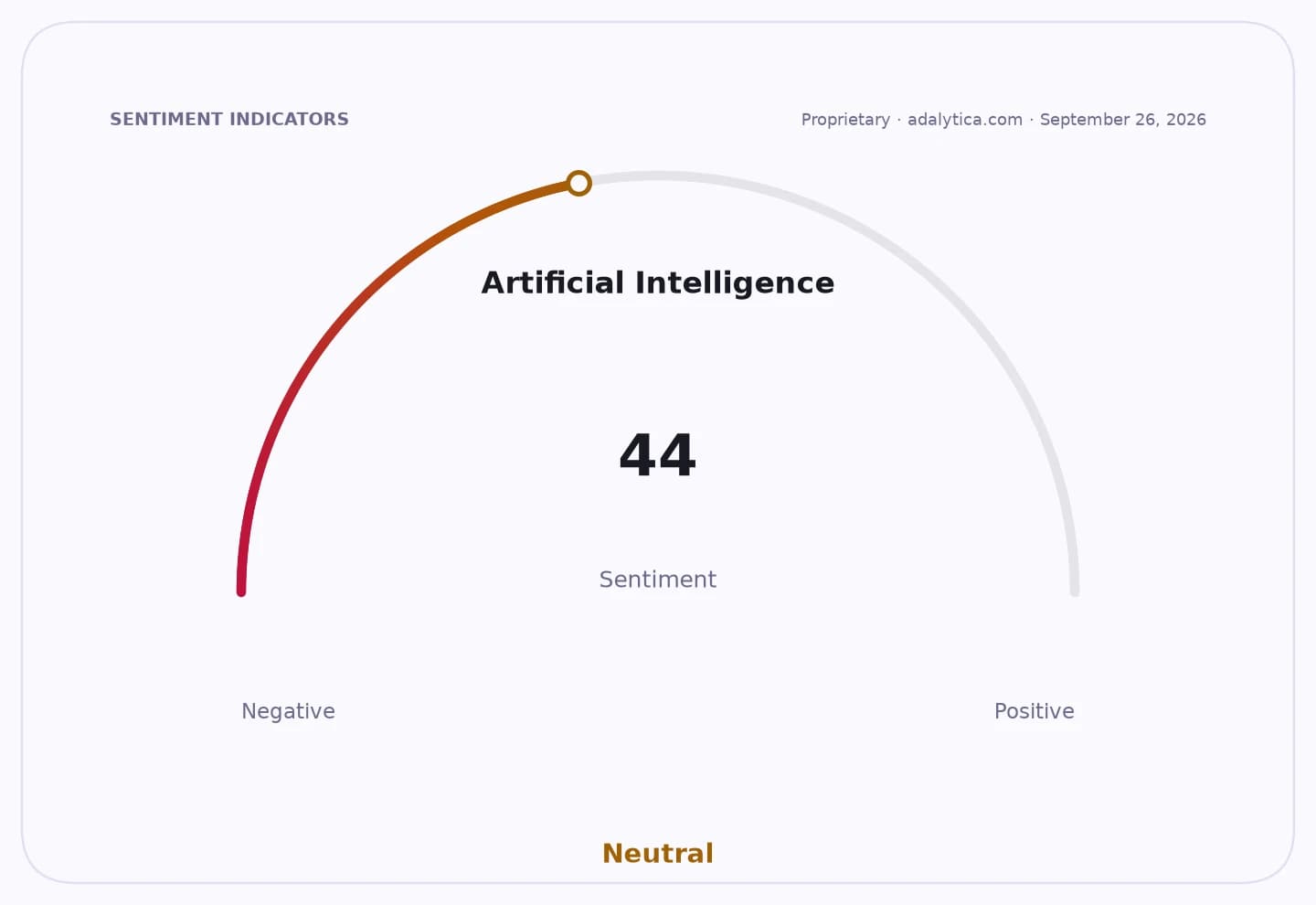
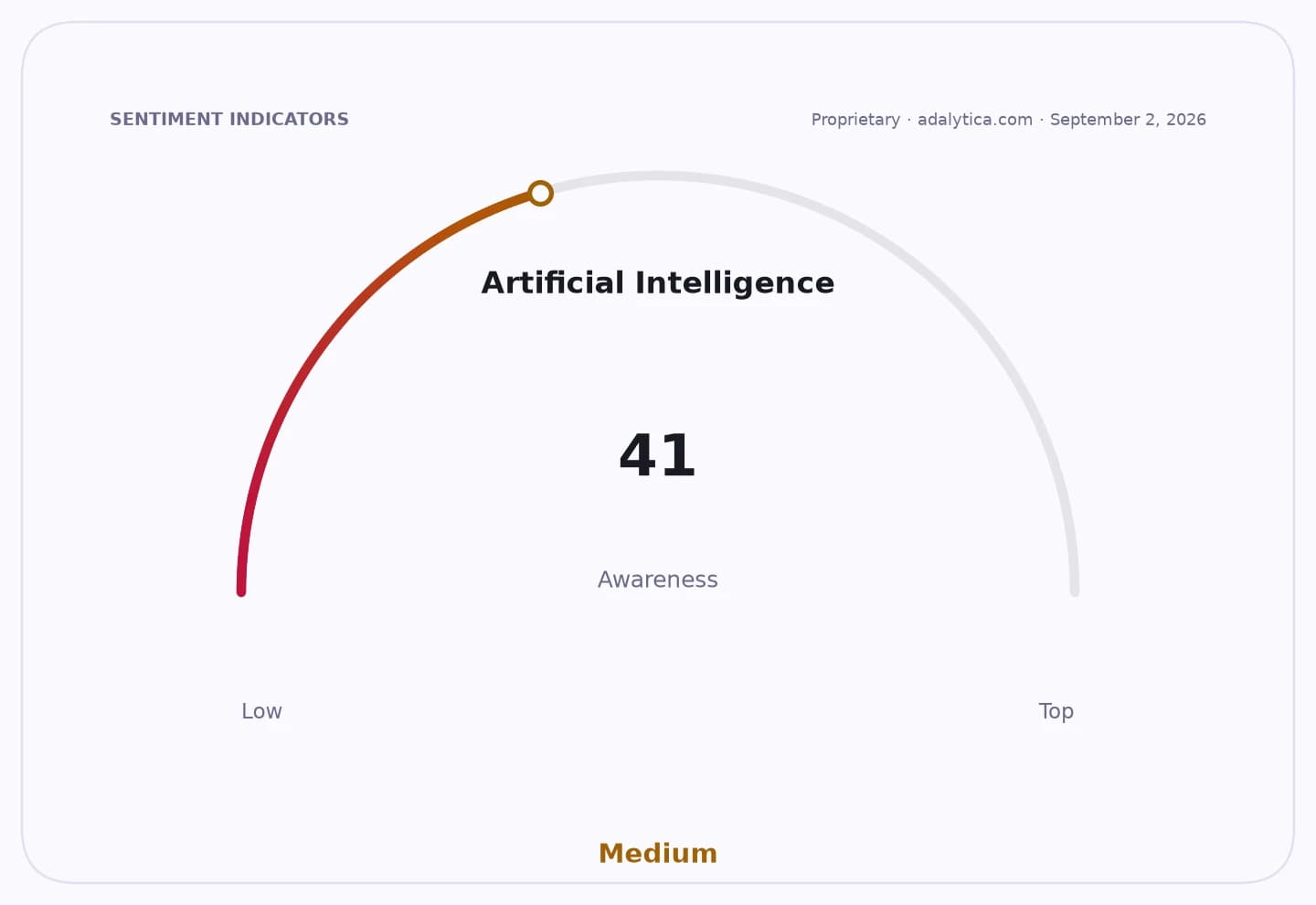
Sentiment IndicatorsⓘProprietary · adalytica.com · October 3, 2026
This is a snapshot — live sentiment, awareness and momentum for 130+ markets update continuously in the dashboard.Open AlphaPulse
The company’s sanctions-era pivot has already changed the structure of China’s chip industry. After Washington placed Huawei on a trade blacklist in 2019 and barred foreign fabs using U.S. technology from making chips for it in 2020, Huawei lost access to TSMC and saw handset revenue cut in half within a year, but the shock also forced it to seed domestic alternatives.
Huawei’s response has been to use its scale as an anchor customer. It has leaned on SMIC for 7-nanometer production, helped push the Kirin 9000S into the Mate 60 Pro in 2023, and is now optimizing Chinese AI models such as DeepSeek and Z.AI to run on Ascend chips and CANN software. The strategy is to make Chinese developers and suppliers dependent on a homegrown stack rather than Nvidia’s hardware and software ecosystem.
That extends beyond chips. Through Hubble Technology Investment, Huawei has reportedly backed more than 60 Chinese companies across EDA software, materials, wafers, packaging, inspection and equipment, including firms such as SICC and Skyverse. It is also involved in efforts around lithography-related tooling, one of China’s most stubborn bottlenecks, including work tied to DUV equipment and local component development.
For investors, the implications cut both ways. Huawei’s push reinforces the long-term threat to Nvidia’s addressable market in China, even as the U.S. chip leader remains far ahead in performance and software depth. Adalytica’s proprietary NVIDIA earnings sentiment reading is neutral at 32, but the broader AI trade remains hot, with AI sentiment at 75, suggesting the market still expects heavy spending even as supply chains localize.
The same localization wave is also a tailwind for Chinese chipmakers and equipment names, while putting pressure on foreign vendors such as TSMC, Samsung Electronics, SK Hynix and ASML as Beijing seeks to replace imported memory, lithography and chip tools. The catch is that China still trails in advanced yields, HBM memory and software, so Huawei’s model is less about beating Nvidia globally than building a vertically integrated domestic alternative.
That makes Huawei one of the most important industrial policy vehicles in China’s AI race. The next catalyst is whether more domestic model makers, foundries and equipment suppliers standardize around Huawei’s stack — a move that would deepen the split between the U.S.-led and China-led semiconductor ecosystems.
| Entity | Gains | Losses |
|---|---|---|
| Huawei | ▲AI ecosystem control | ▼dependence on foreign tech |
| Nvidia | ▲global AI demand | ▼China market share |
| SMIC and Chinese suppliers | ▲large anchor orders | ▼pressure to catch up |
| TSMC, ASML, Samsung, SK Hynix | ▲broader chip demand | ▼China localization push |