ARCA can reach money sitting in virtual wallets, and that makes digital balances far less “off-limits” than many Argentines may assume.
Argentina ARCA can seize virtual wallet balances
For investors and savers, the key point is not the legal technicality but the economic one: a CVU account does not shield cash from a tax execution. In practice, funds parked in a wallet can be frozen and then applied to a taxpayer’s debt, including interest, fees and court costs. That matters because virtual wallets have become a common place for workers and freelancers to keep day-to-day income, which means more household liquidity is now exposed to collection efforts.
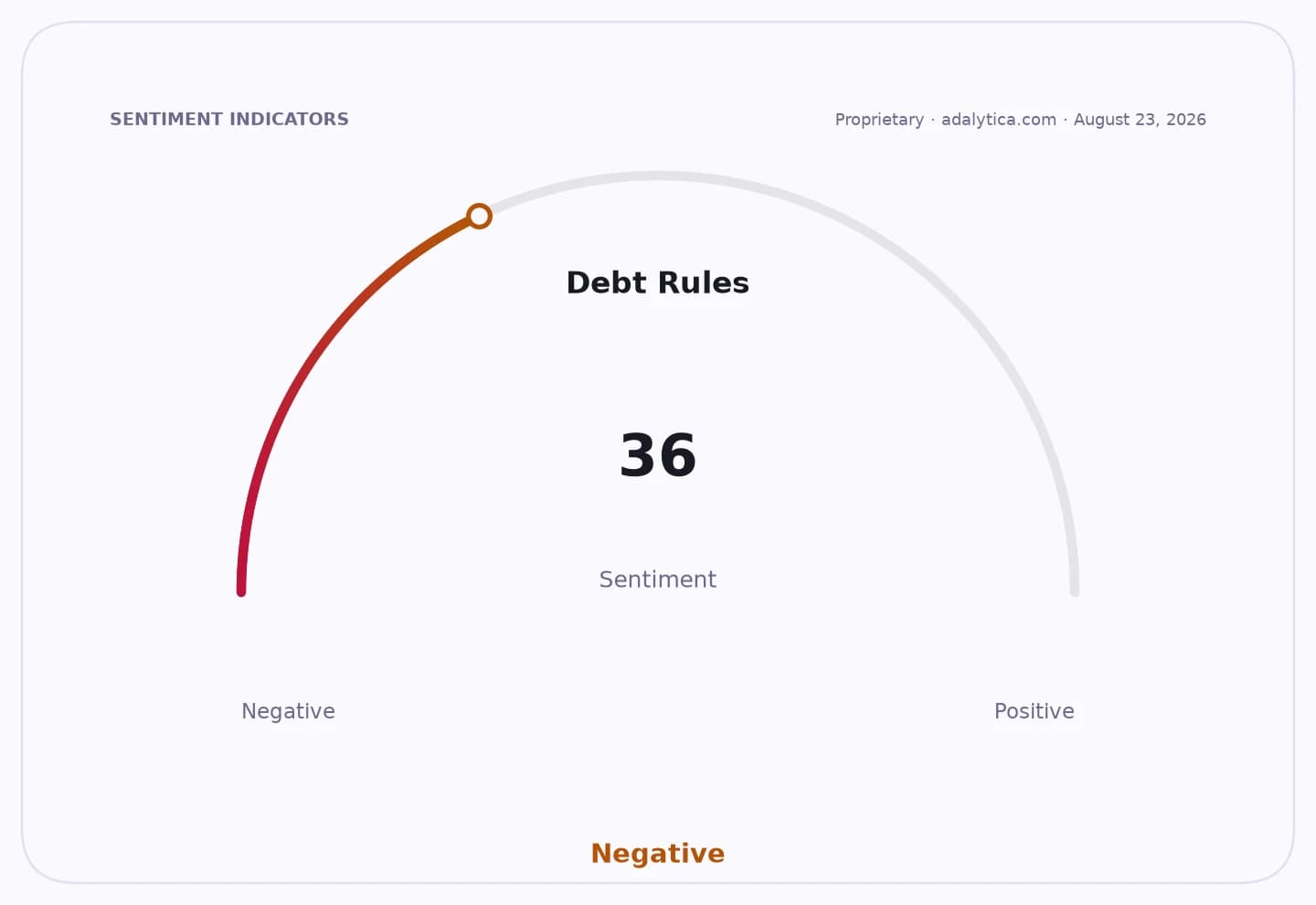
Sentiment IndicatorsⓘProprietary · adalytica.com · September 25, 2026
This is a snapshot — live sentiment, awareness and momentum for 130+ markets update continuously in the dashboard.Open AlphaPulse
The rule changes the way people think about cash management. A virtual wallet may feel like a safer, more flexible alternative to a bank account, but ARCA — Argentina’s tax agency, formerly AFIP — can obtain information from payment providers under reporting regimes and use that data to pursue seizures. Once the measure is ordered, the money is no longer freely available to the holder. And if the debt is regularized after the freeze, that does not automatically mean the same money will be released back to the user.
That is the crucial investor takeaway. The growth of digital payments in Argentina has made wallets a more important part of consumer finance, but the legal and operational reality is that they remain inside the formal system. For fintech platforms, that means stronger compliance obligations and fewer illusions about anonymity. For users, it means balances should be treated as reachable assets, not protected storage.
ARCA also provides a path to unwind the problem through its tax accounts system, including a payment offer tied to seized funds or a formal installment plan. But even then, the taxpayer has to clear the debt properly, and in some cases notify the enforcement agent handling the case. A simple transfer is not enough to guarantee the lift of the attachment.
For long-term investors, the broader story is about the maturing of digital finance in Argentina. As wallet adoption rises, so does regulatory oversight. That is healthy for the formalization of the economy, but it also means fintech growth will increasingly depend on trust, compliance and the ability to operate within tax and legal frameworks. If you use or invest in this ecosystem, this is worth watching closely.
| Entity | Gains | Losses |
|---|---|---|
| ARCA | ▲stronger collection power | ▼less taxpayer room to hide cash |
| Tax debt collectors | ▲easier recovery of obligations | ▼fewer untraceable balances |
| Virtual wallet users | ▲clearer payment options | ▼frozen funds and reduced liquidity |
| Fintech providers | ▲more formalized usage | ▼heavier compliance pressure |