Argentina’s QR payments are becoming a mainstream rails for everyday spending, and the shift is eroding the dominance of cards at the register.
Argentina QR Payments Rise as Card Usage Falls
In August, interoperable QR transactions surged 67.5% from a year earlier to 117.2 million operations, while the value moved rose 62.9% in real terms to 2.9 trillion pesos, according to the central bank’s latest payments report. Almost all interoperable transfer-based payments — 99.1% — were initiated by QR, underscoring how quickly the format has moved from niche to default in a market where consumers and merchants are under pressure to lower friction and, in a high-inflation economy, preserve working capital.
Sentiment IndicatorsⓘProprietary · adalytica.com · October 2, 2026
This is a snapshot — live sentiment, awareness and momentum for 130+ markets update continuously in the dashboard.Open AlphaPulse
The numbers matter beyond a simple change in checkout habits. QR adoption points to a wider migration away from card networks toward account-to-account payments that can be cheaper, faster and easier to settle. That shift has implications for banks, card issuers and payment processors that depend on card usage, while strengthening the role of fintech wallets and bank-linked transfers in a system that is still reorganizing around digital money.
The central bank said the interoperable payments ecosystem now includes 92 digital wallets and 67 registered payment acceptors, suggesting the infrastructure is still expanding. Roughly 52.7% of QR-linked payments originated from bank accounts, while 47.3% came from payment accounts, showing that the market is split between traditional banking and fintech-led wallets rather than dominated by one camp.
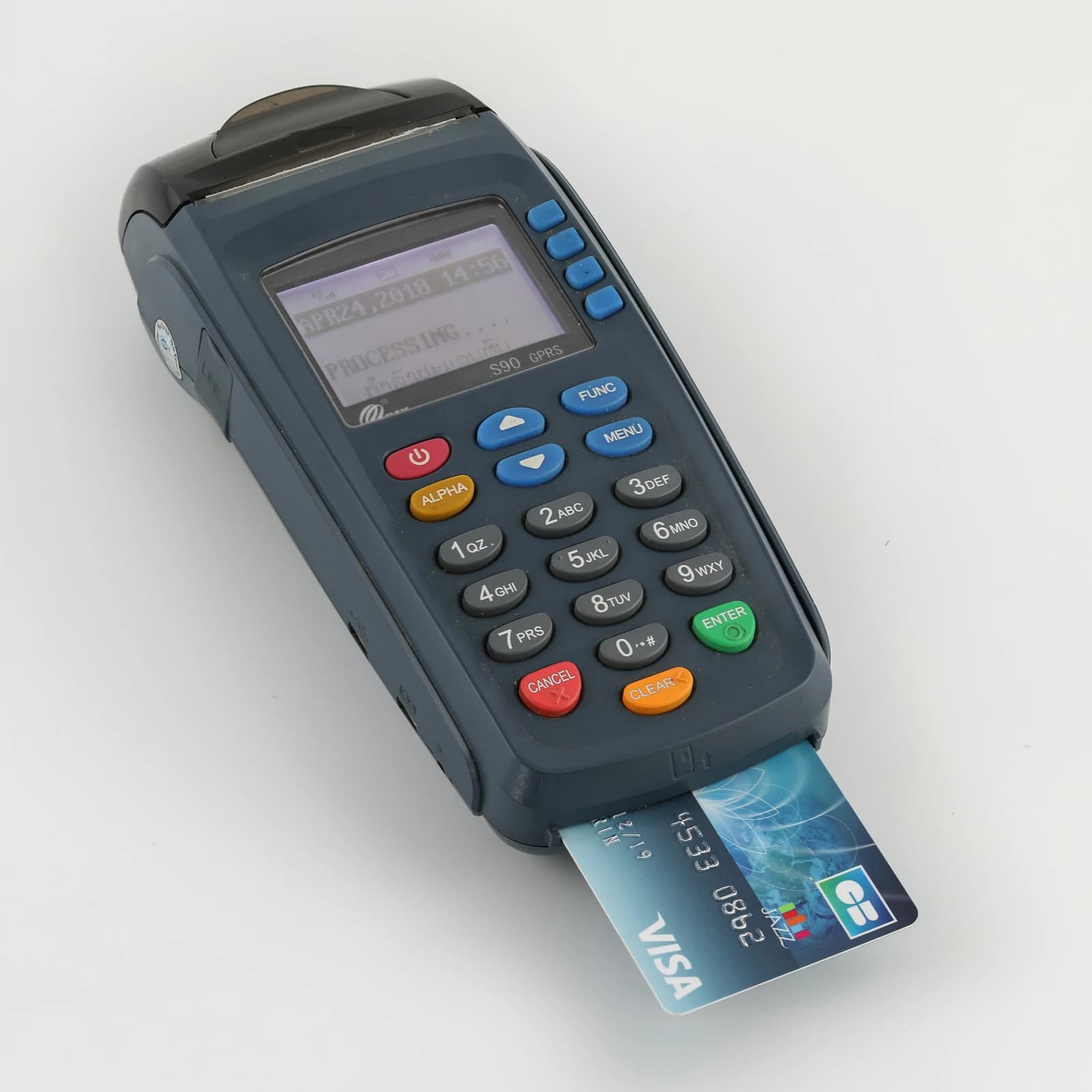
The QR boom is also arriving alongside a visible pullback in card spending. In July, debit-card transactions fell 8.4% from a year earlier to 172 million, while the real value processed dropped 14.7%. Credit-card payments also declined, with 159.3 million transactions, down 9.2%, and a 17.6% fall in real terms by value. For card companies and issuers, the message is not that cards are disappearing, but that their share of routine retail payments is under pressure as consumers gravitate to tools that are more tightly integrated with bank balances and digital wallets.
That trend extends outside retail. Immediate peso transfers rose 20.3% in volume in August to 779 million operations, with real value up 5.5% to 96 trillion pesos. More than three-quarters of those transfers involved payment accounts on one side or the other, reinforcing the idea that Argentina’s payment system is moving toward account-based flows rather than card-based borrowing or debit pull. Pull transfers, used to move money in from another account, also climbed to 44.5 million operations.
Transport is becoming another proof point. QR-enabled transit payments reached 26.3 million rides in August for 36.4 billion pesos, mostly on buses, with subway trips making up the rest. Once QR is embedded in commuting, supermarkets and small merchants, it becomes harder for cards to regain share in everyday transactions.
For investors, the winners are digital-wallet operators, bank platforms and merchants that can route payments more cheaply and settle faster. The losers are card-heavy networks and issuers facing a gradual dilution of transaction volume, particularly in low-ticket domestic spending where QR is most competitive. The main question now is whether the QR surge in Argentina stays concentrated in day-to-day payments or begins to take a larger slice of higher-value commerce, where cards still retain an advantage in credit and consumer protection.
If current trends continue, Argentina’s payment mix is likely to tilt further toward interoperable transfers and away from traditional plastic, forcing banks and card players to defend relevance through incentives, rewards and better integration with digital wallets.
| Entity | Gains | Losses |
|---|---|---|
| QR wallets and fintechs | ▲Higher transaction volume | ▼ |
| Banks with CVU/CBU rails | ▲More account-based flows | ▼Card fee income pressure |
| Card networks and issuers | ▲ | ▼Lost share in retail payments |
| Merchants and commuters | ▲Lower-friction settlement | ▼Dependence on card ecosystems |