Visa’s footprint in Kazakhstan has crossed 20.8 million active cards, underscoring how quickly the country’s consumer economy is moving toward card-based payments and how much room remains for transaction growth in a still-underpenetrated market.
Visa Kazakhstan Card Count Tops 20.8 Million
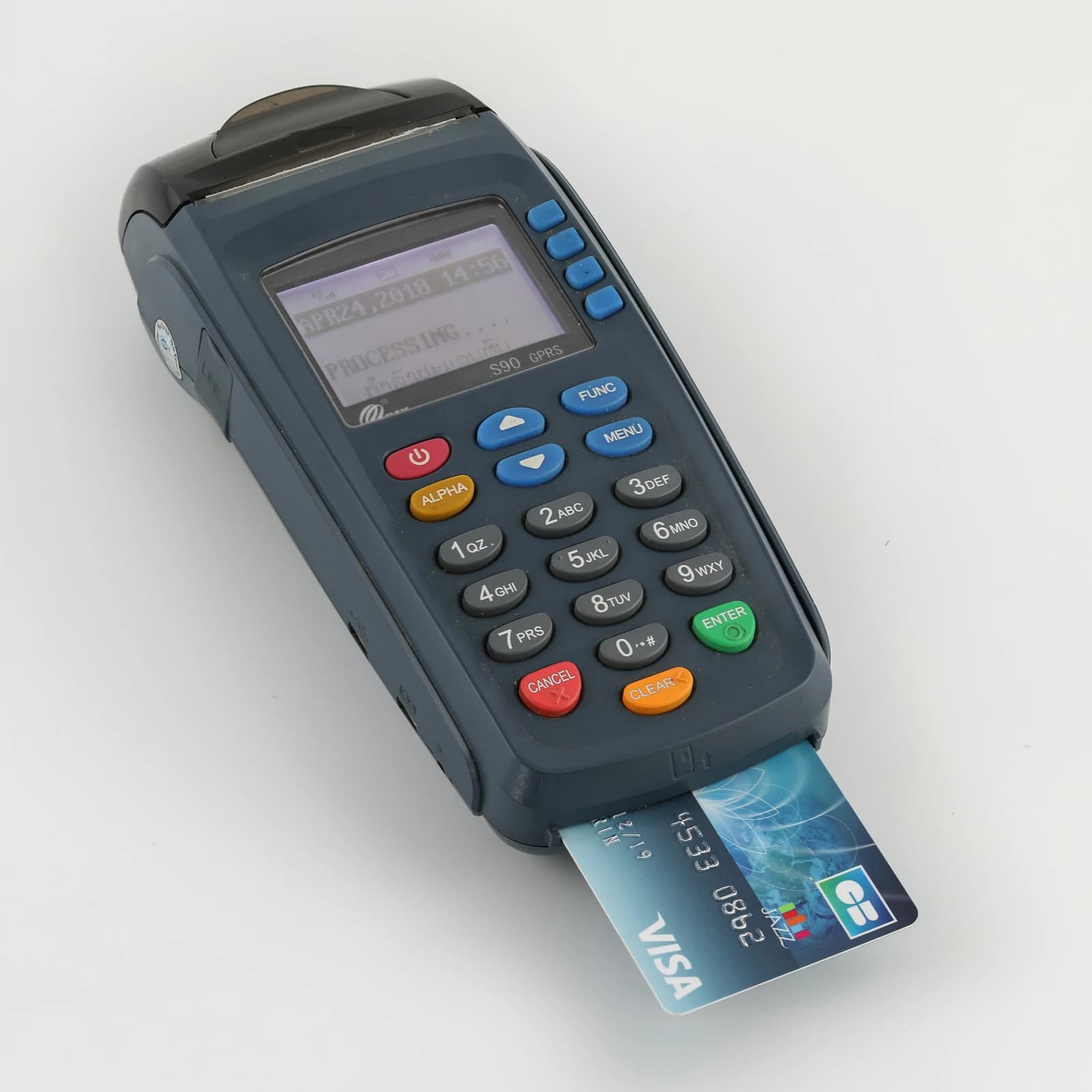
The milestone matters because card count is a leading indicator for payment volume: more active cards typically translate into higher everyday spend, more cross-border purchases and more recurring fee income for the network and its banking partners. In a market such as Kazakhstan, where consumer spending is still being modernized and cash remains relevant outside major urban centers, rising Visa card usage points to a structural shift rather than a one-off data print.
Sentiment IndicatorsⓘProprietary · adalytica.com · October 3, 2026
This is a snapshot — live sentiment, awareness and momentum for 130+ markets update continuously in the dashboard.Open AlphaPulse
For Visa, the development reinforces the case that emerging Europe and Central Asia remain a long runway for growth even as mature markets slow. The company makes money primarily when transactions move over its network, so a larger active card base can support payment volumes without requiring the same pace of new merchant onboarding. That is especially important in markets where banks are using card issuance and digital wallets to lock in customers and where governments are pushing more formalized, traceable payment systems.
Investors tend to focus on whether payments networks can keep delivering volume growth as the U.S. consumer cycle normalizes and competition intensifies. Kazakhstan’s card expansion helps answer that by showing that international networks still have geographic and behavioral adoption levers to pull. The upside case is simple: higher card penetration, more contactless usage and greater e-commerce adoption can lift network revenue with relatively limited incremental capital. The bear case is that penetration gains can slow if consumer spending weakens, interchange rules tighten or local players and domestic schemes take share.
The broader backdrop also favors electronic payments. Governments across the region have been encouraging digital rails to improve transparency and efficiency in the economy, while banks are pushing cards and mobile payments as lower-cost alternatives to cash handling. For issuers, that can deepen customer relationships and improve fee generation; for merchants, it can raise acceptance costs but also support higher ticket volumes and better sales data.
Visa’s share price has been volatile in recent months, reflecting the market’s sensitivity to growth, rates and technical momentum, but the Kazakhstan data point fits a wider narrative: payments remains a secular growth industry even when macro conditions are uneven. The key question for investors is whether this kind of adoption can keep compounding across multiple markets fast enough to offset slower growth in developed economies. On that score, Kazakhstan suggests the runway is still open.
| Entity | Gains | Losses |
|---|---|---|
| Visa | ▲Higher transaction volume | ▼Cash usage |
| Kazakh banks | ▲More card activity | ▼Legacy branch-based payments |
| Consumers | ▲Easier digital payments | ▼Cash-dependent users |
| Merchants | ▲Faster checkout, bigger sales data | ▼Higher acceptance costs |