Europe is moving closer to a homegrown card-and-wallet network, and that matters because control of payments is control of transaction data, fees and financial infrastructure.
Europe Payment Network Push Challenges Visa, Mastercard
For investors, the significance is bigger than a branding exercise. A credible European alternative to Visa and Mastercard would challenge two of the most durable toll roads in global finance, while creating a new layer of competition for banks, fintechs and merchants that have long paid up to the U.S.-dominated rails. The market has treated card networks as near-untouchable compounders; Europe’s push says that moat is no longer guaranteed.
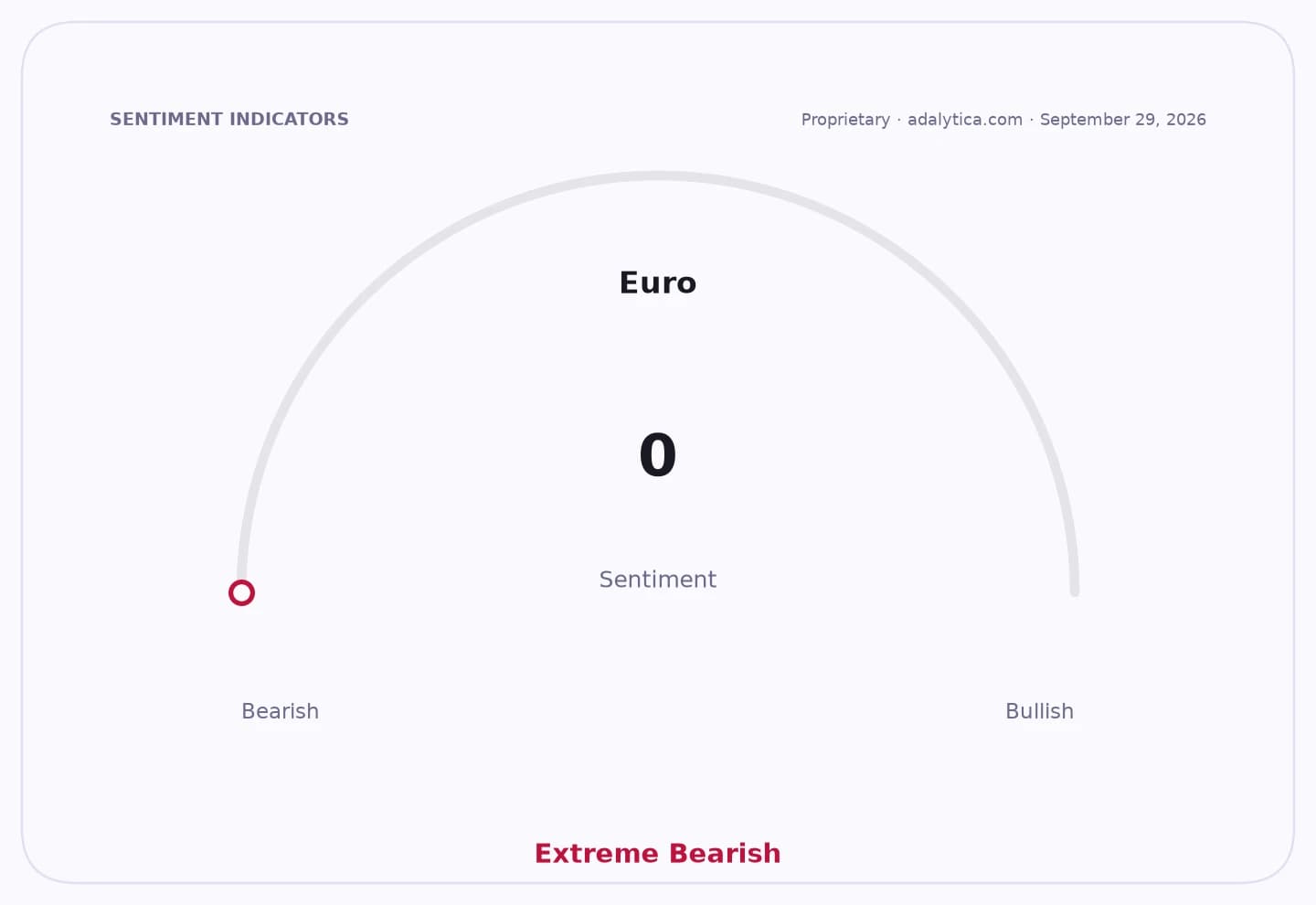
Sentiment IndicatorsⓘProprietary · adalytica.com · October 2, 2026
This is a snapshot — live sentiment, awareness and momentum for 130+ markets update continuously in the dashboard.Open AlphaPulse
That shift is part of a wider economic push for sovereignty in critical infrastructure. Just as Europe wants more control over energy, defense and cloud computing, it also wants less dependence on foreign payment rails. That impulse has grown sharper as policymakers and banks look for ways to reduce costs, speed up instant payments and keep transaction data closer to home. A domestic network could also improve bargaining power for European merchants and issuers that complain about interchange and scheme fees.
The opportunity is not in killing Visa or Mastercard overnight. The opportunity is in the second-order effects. If Europe successfully builds an interoperable alternative, the likely winners are regional banks, local payment processors, instant-payments infrastructure providers and software vendors that help route transactions across fragmented systems. The losers are the incumbents that rely on the stickiness of branded cards and global acceptance to defend pricing.
That is why the equity reaction matters even before any formal rollout. Visa shares were last around $359.16, below the 50-day moving average near $368.47 and with RSI readings in oversold territory at 26.8, suggesting the stock is already pricing in some pressure on sentiment. Mastercard, at about $550.19, has also slipped under its 50-day average around $570.66. PayPal, trading near $53.07, remains far below its 50-day line near $56.43 and far from its old growth-era multiples. The broader message is that the market is no longer rewarding payment networks simply for scale; it wants proof that their rails can defend pricing power in a more fragmented world.
Europe’s payments push also lands as capital flows are rotating toward infrastructure themes tied to digital sovereignty, instant settlement and financial resilience. Adalytica’s trade signals show the S&P 500 is in neutral sentiment while awareness is stuck in extreme fear, a combination that often favors selective positioning over index exposure. In other words, this is the kind of backdrop where structural winners can separate from crowded consensus names.
My view is that investors should not just ask whether Europe can build a rival to Visa and Mastercard. They should ask which companies will collect fees, software revenue and network usage from the transition. The best positioning is likely in the picks-and-shovels around rails modernization, not the legacy toll collectors that benefit most from inertia.
If Europe keeps moving from policy ambition to actual adoption, payment sovereignty could become one of the most important financial-infrastructure trades of the next few years. The market underestimates how fast “another option” can turn into a real competitive threat.
| Entity | Gains | Losses |
|---|---|---|
| European banks | ▲More control over rails | ▼Reliance on U.S. networks |
| Visa | ▲Global scale premium | ▼Pricing power pressure |
| Mastercard | ▲Network dominance | ▼Share risk in Europe |
| Regional payment tech firms | ▲New routing demand | ▼Less room for inertia-based incumbency |